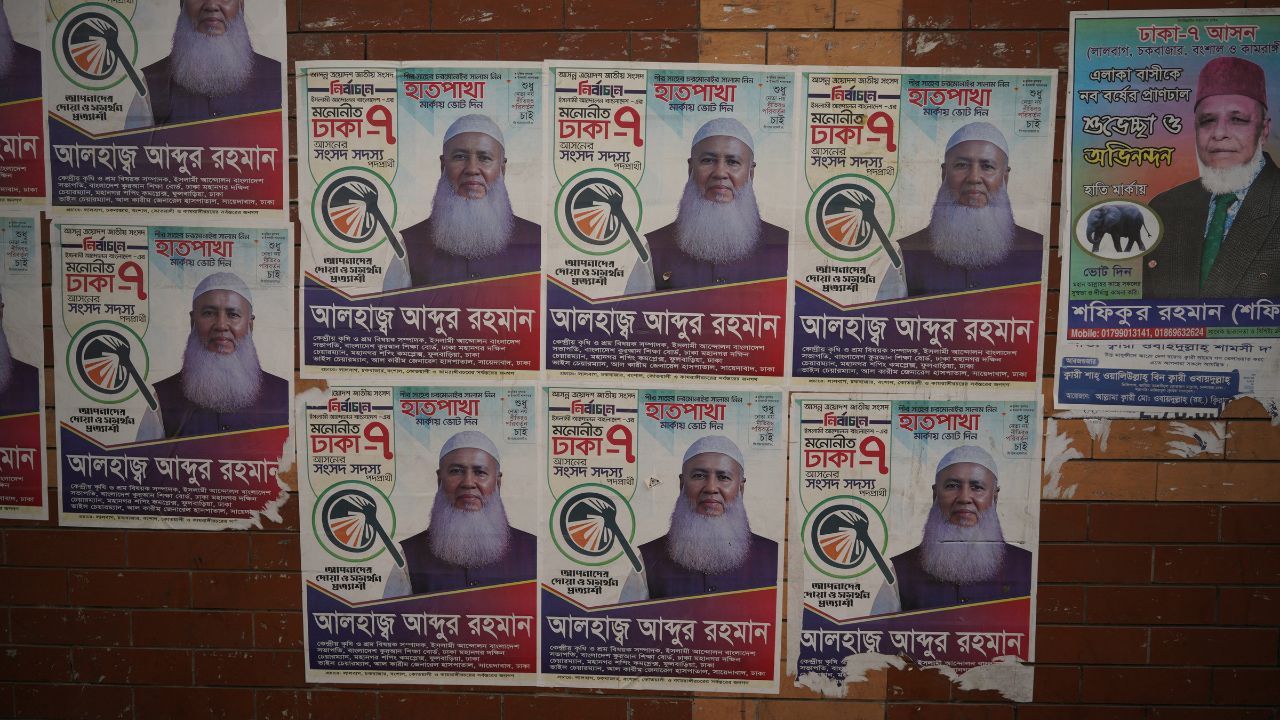



The Election Commission (EC) wants a fair, clean and quiet election. Ahead of the 13th national polls on February 12, 2026, it issued a new electoral code of conduct. The message was clear. Posters would no longer be part of electioneering. Campaign visuals would be limited, regulated, monochrome and restrained.
Yet, on January 25, 2026, a walk through Dhaka tells a different story. From Lalbagh to Shahbagh, from Mirpur to Mohammadpur, from busy intersections to quiet lanes, the city is already dressed in campaign colours. Faces multiply on walls, banners overlap each other. Billboards rise where none are supposed to. The code exists on paper; the streets exist in defiance.
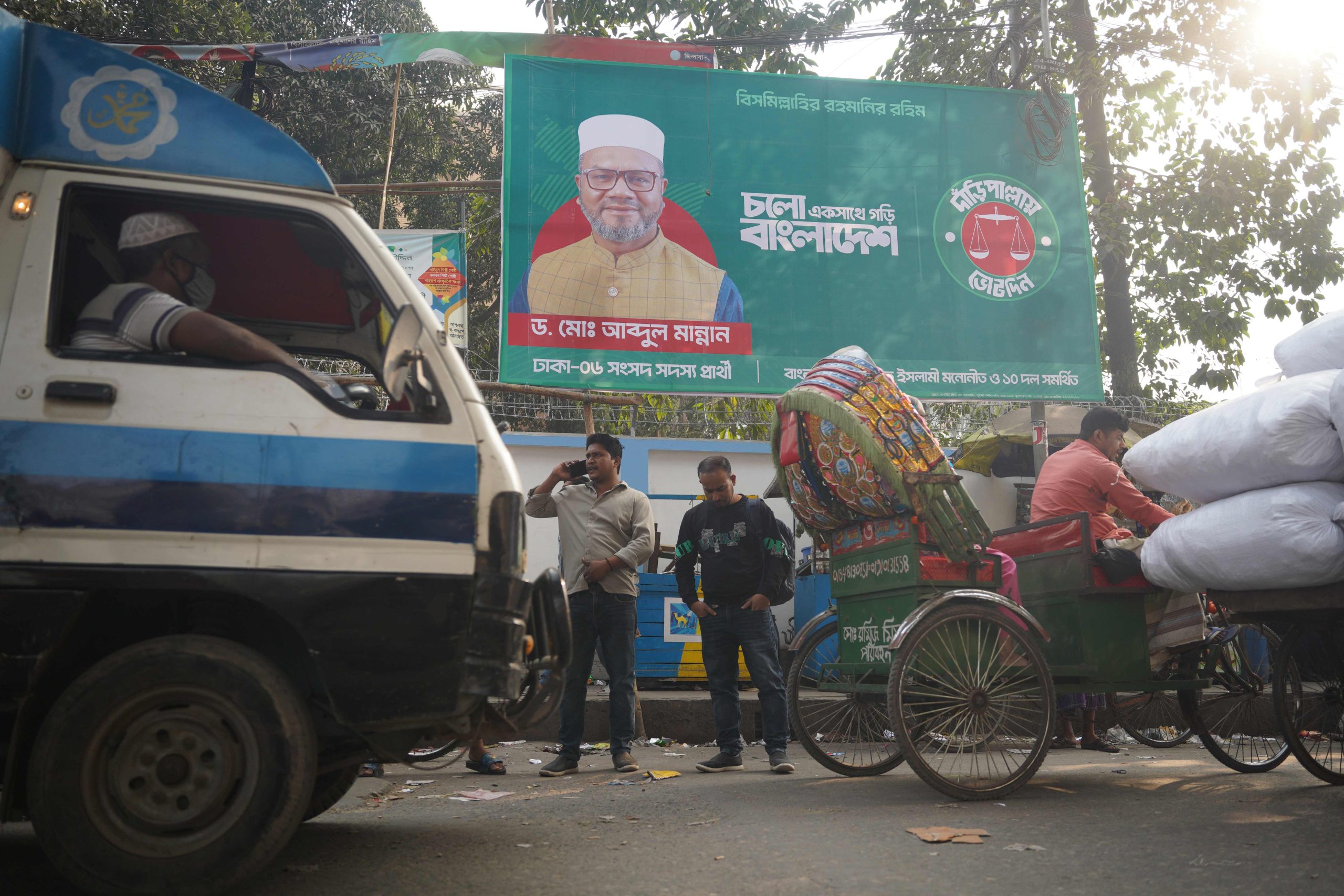
Under the rules, posters are entirely banned. Candidates are allowed a maximum of 20 billboards per constituency, each no larger than 16 feet by 9 feet, strictly in black and white. Only digital billboards may use lighting, while traditional lighting is prohibited. Plastic and polythene-based banners, including PVC festoons and leaflets, are barred outright. Campaign materials must avoid environmental harm as much as visual clutter.

The intention is clear: reduce pollution: visual, environmental and political and level the playing field by limiting money-driven exposure.
The penalty, too, is unambiguous. Violations can lead to six months’ imprisonment and a fine of Tk 1,50,000 for both candidates and their parties. The code further empowers the Commission to order immediate investigations if any breach appears serious enough to affect a candidate’s eligibility.




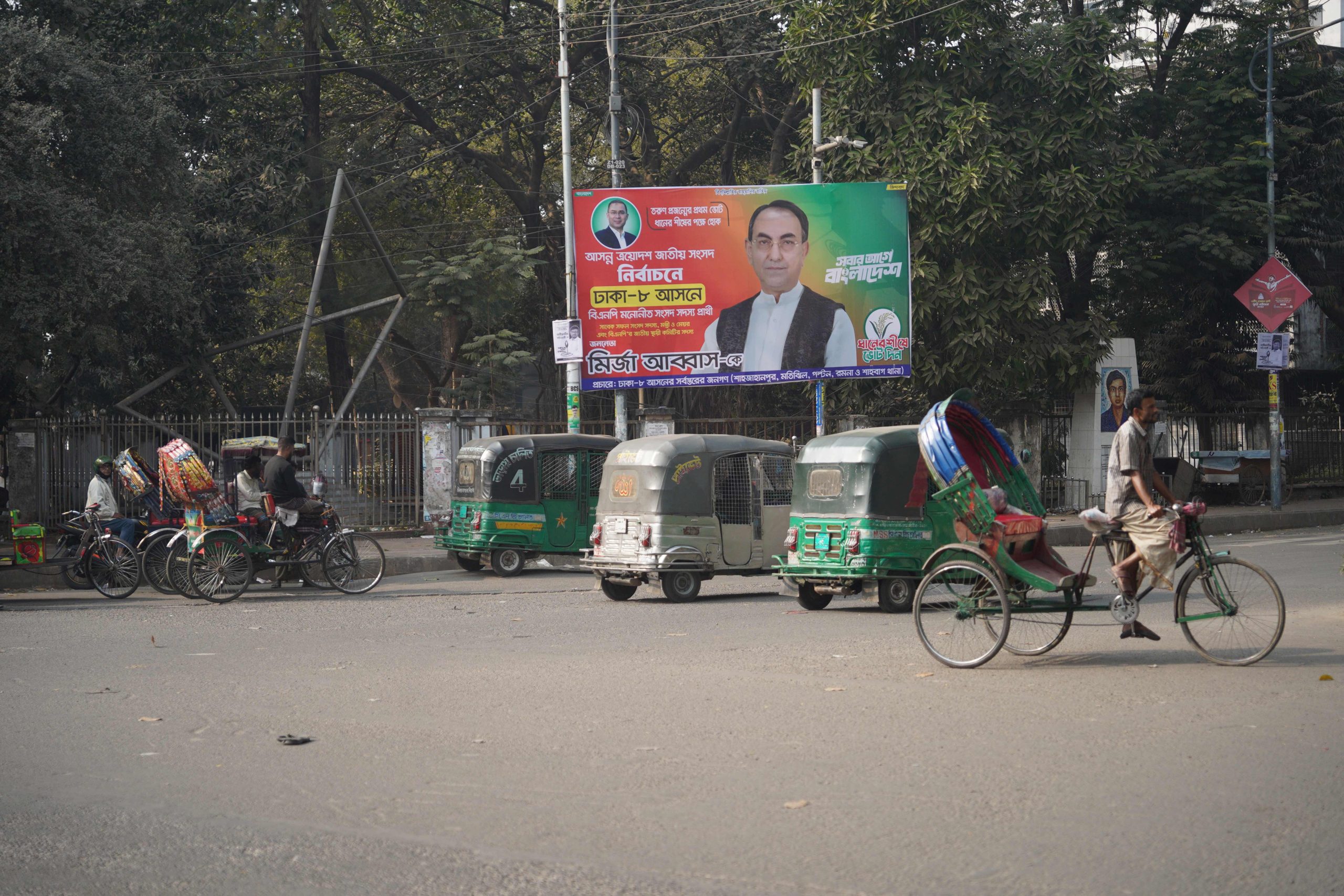
On paper, it is one of the strictest poster-related regulations Bangladesh has seen. On the ground, it is almost invisible.
Street walls are still layered with freshly pasted campaign posters, billboards exceeding permitted sizes, coloured designs and banners wrapped in plastic sheets. All of these challenge the EC’s authority. Rickshaw stands, roadside fences and even traffic islands have become unofficial canvases.
This is not ignorance. Candidates know the law; parties know the penalties. Many candidates appear to be betting that enforcement will arrive late, selectively, or not at all. No posters are being removed, no fines are being announced, and no public warnings are visible. So, the violations continue.
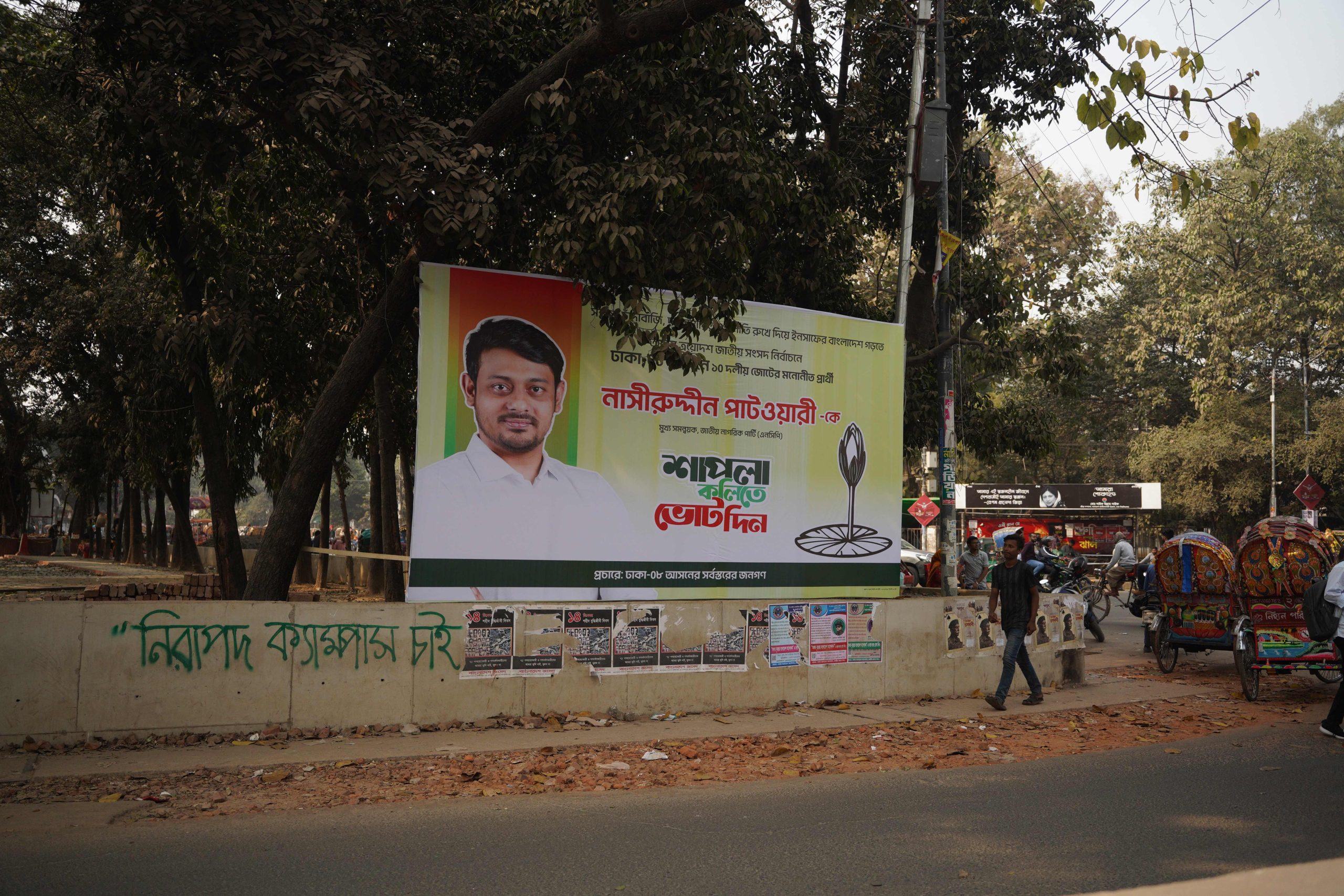
This gap between regulation and reality raises an uncomfortable question: Is the code a commitment, or merely a declaration?
The EC wanted a fresh start, a cleaner campaign. But laws only work when they are felt on the ground, not when they stay in gazettes.
With less than three weeks to go before election day, the question is no longer about posters. They are an early stress test of the Election Commission’s resolve. Whether the code of conduct can move from the gazette to the ground will shape not just the look of this election, but the trust placed in those tasked with overseeing it.