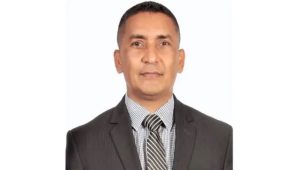
As Bangladesh grapples with the growing challenge of waste management, young entrepreneur Sakif Shamim emphasizes the need for a shift toward a circular economy.
In an interview with TIMES of Bangladesh, the managing director of Labaid Cancer Hospital & Super Speciality Centre and deputy managing director of Labaid Group discussed how a shift toward a circular economy can transform waste into valuable resources and help drive the country’s sustainable economic growth.
“The traditional ‘use-and-throw’ model is unsustainable,” Shamim said. “Landfills are growing, the environment is suffering, and industries face shortages of raw materials. A circular economy, built on recycling and reusing, offers a solution by transforming waste into a resource.”
According to Shamim, the core principles of the circular economy focus on reducing waste, extending product lifecycles, and regenerating natural systems. “We need to view waste not as something to discard but as raw material for new products,” he explained.

He pointed to everyday examples that showcase the circular economy in action. “Reusing plastic bottles, repairing broken furniture, and composting organic waste are simple but effective ways to practice sustainability at home. These actions reduce waste and extend the life of resources.”
The economic potential, he added, is significant. “Circular practices can lower production costs, create jobs, and even open up entirely new industries. Recycling plastics, electronics, and batteries, for example, not only helps the environment but also saves foreign currency that would otherwise be spent on imports.”


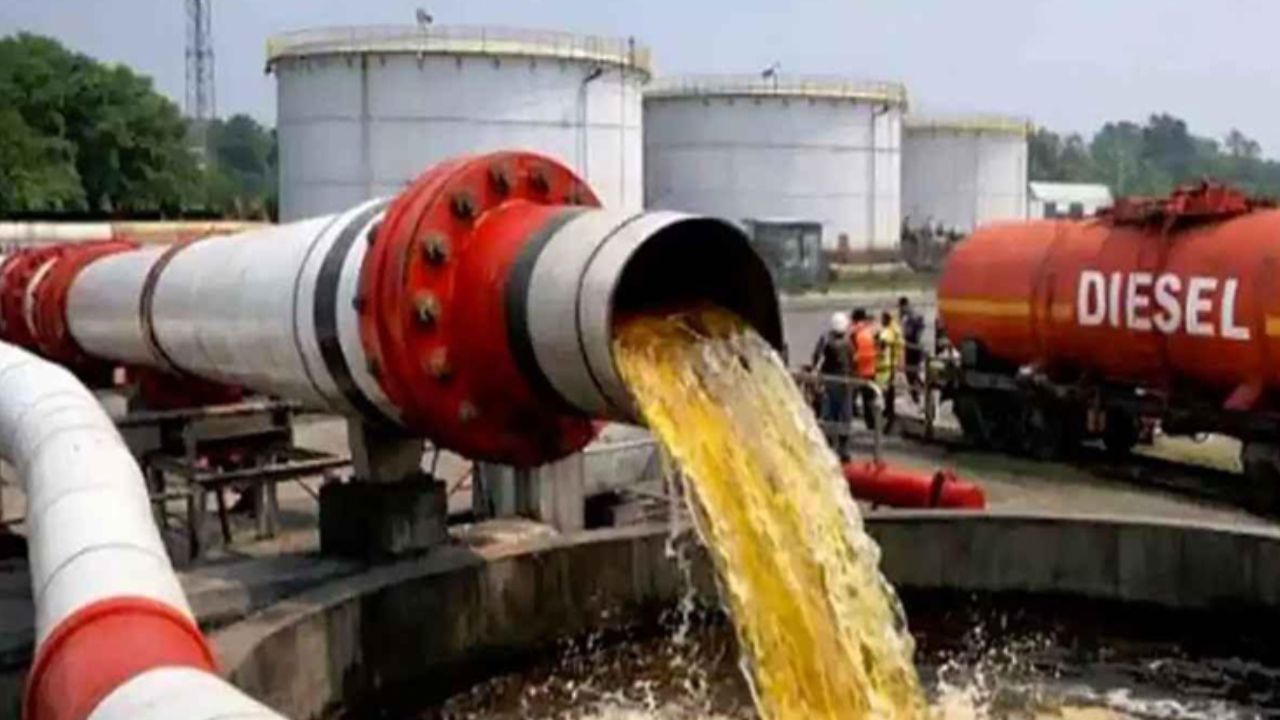

Bangladesh’s rapid urbanisation has intensified the waste challenge, but Shamim sees it as an opportunity. “Urban waste, if managed properly, could fuel an entirely new sector. Recycling industries can create jobs at all levels, from small-scale community efforts to large industrial operations. Recycled products, such as reusable yarn from the garment industry, could also generate foreign revenue,” he said.
Shamim emphasized the importance of managing product lifecycles. “Short-life products, such as plastic bottles, must be quickly recycled. Longer-life items, such as furniture or electronics, can be reused, repaired, or remanufactured. Properly managing both types of products maximizes the benefits of the circular economy.”
Addressing the environmental implications, Shamim noted that the circular economy could reduce the pressure on natural resources. “By using fewer raw materials and producing less waste, we ease the strain on soil, water, and air. Recycling organic waste as compost can enhance soil fertility and reduce chemical fertiliser usage,” he said.
However, Shamim acknowledged that there are challenges. “We lack the infrastructure for proper waste segregation, public awareness is low, and investment in this sector is still limited. To overcome these challenges, the government, private sector, and public must work together,” he said.
Despite these obstacles, Shamim is optimistic about the future. “Generating revenue from recycling is not just viable; it’s necessary for Bangladesh’s economic sustainability.
By embracing a circular economy, we can ensure a cleaner, healthier environment while driving economic growth,” he concluded.