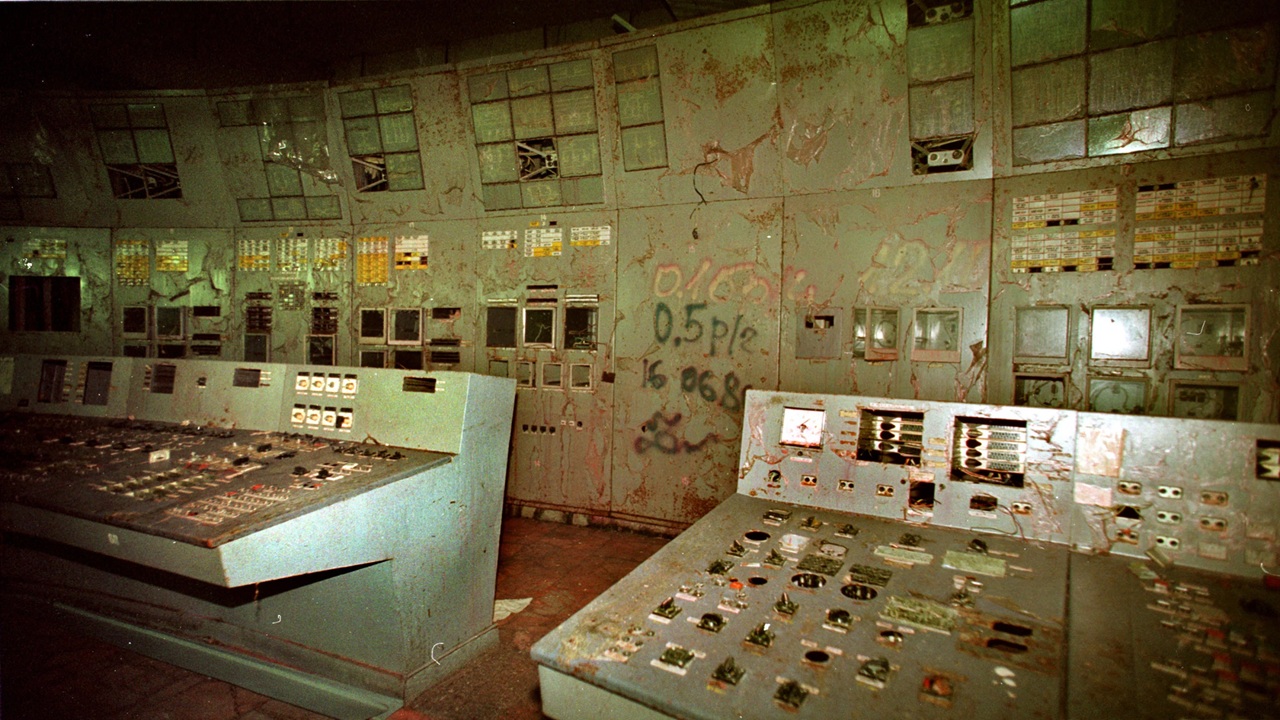
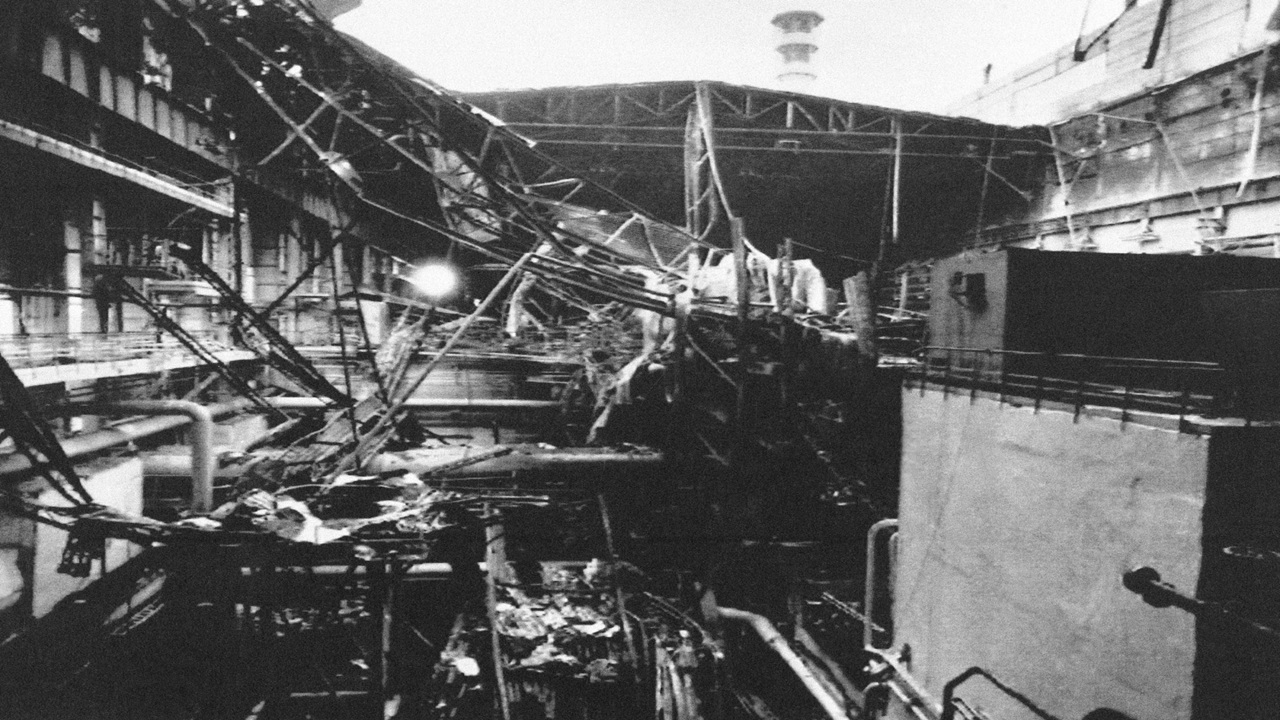
In the early hours of April 26, 1986, a routine safety test at Reactor 4 of the Chernobyl Nuclear Power Plant went catastrophically wrong. A sudden surge of power triggered explosions that tore the reactor open, exposing its radioactive core. What began as a technical experiment quickly became the worst nuclear disaster in history.
It was fuelled by design flaws in the Soviet-era RBMK reactor and compounded by human misjudgement. Within hours, radioactive particles were rising into the sky, drifting silently across borders before the world fully understood what had happened.
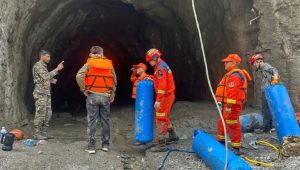
The human toll unfolded in layers. Firefighters and plant workers rushed in first, many unaware they were stepping into lethal exposure. Several died within weeks; thousands more, later known as “liquidators,” were deployed to contain the damage, often with inadequate protection.

Entire towns vanished from the map. In nearby Pripyat, families boarded buses believing they would return in a few days. Doors were left unlocked, meals unfinished. They never came back.




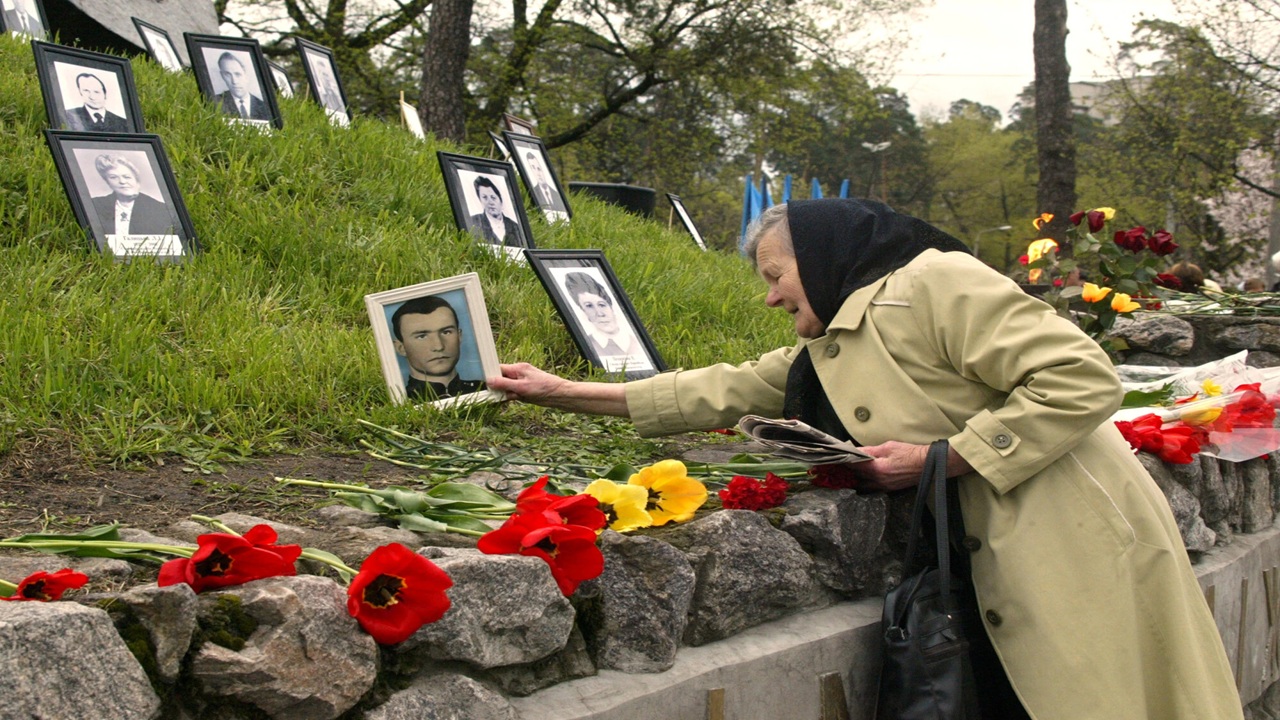
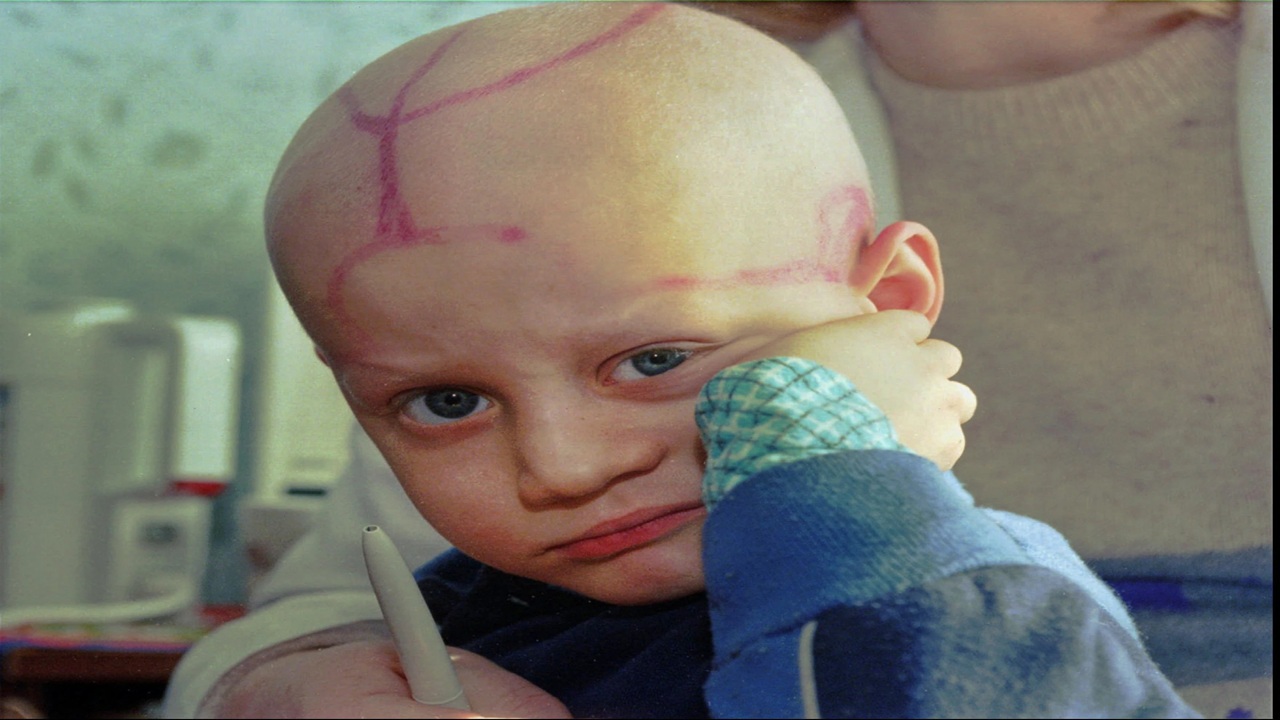
In the years that followed, the invisible consequences became harder to ignore. Cases of thyroid cancer surged, particularly among children. Illnesses linked to radiation exposure spread quietly, shaping lives long after headlines faded. The disaster had become a prolonged human crisis.
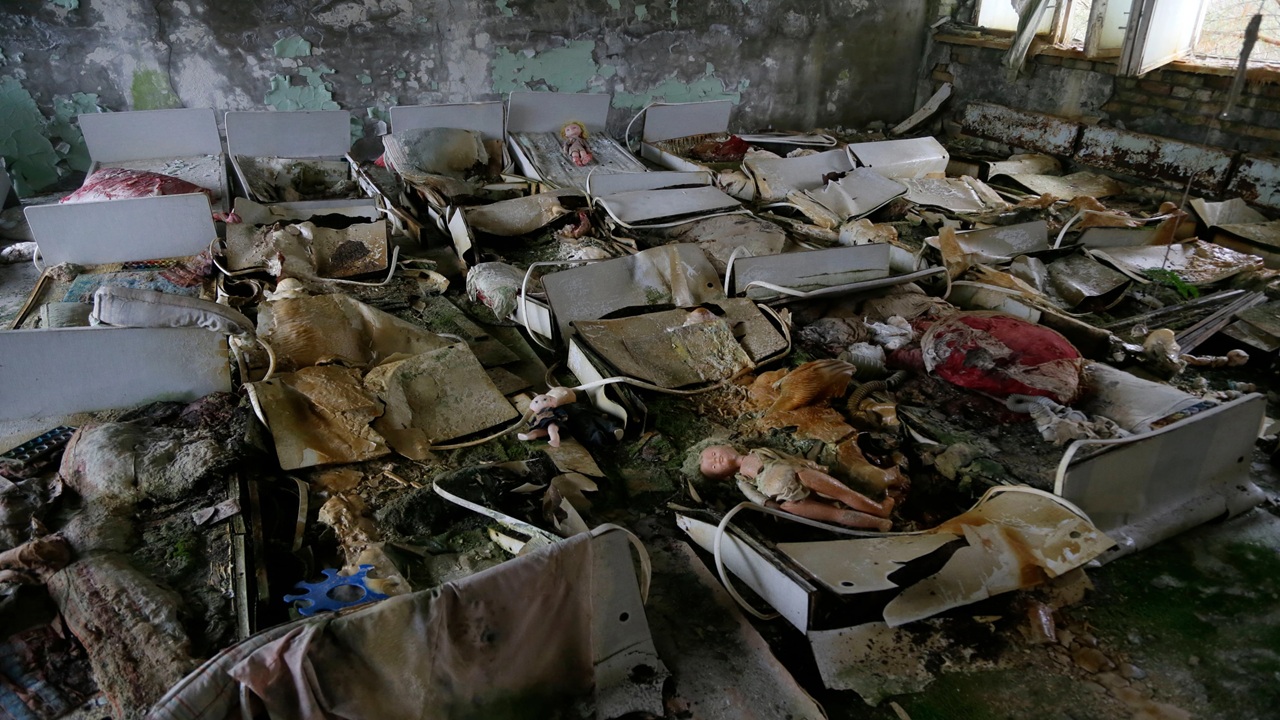
The environment bore its own scars. Forests closest to the plant turned a lifeless red as radiation killed vegetation almost instantly. Soil and water carried contamination across vast distances, making entire regions unsafe for habitation. Yet, in a strange reversal, the absence of people has allowed nature to reclaim what was lost. Wildlife now moves freely through abandoned streets, creating a landscape that feels both alive and eerily suspended.
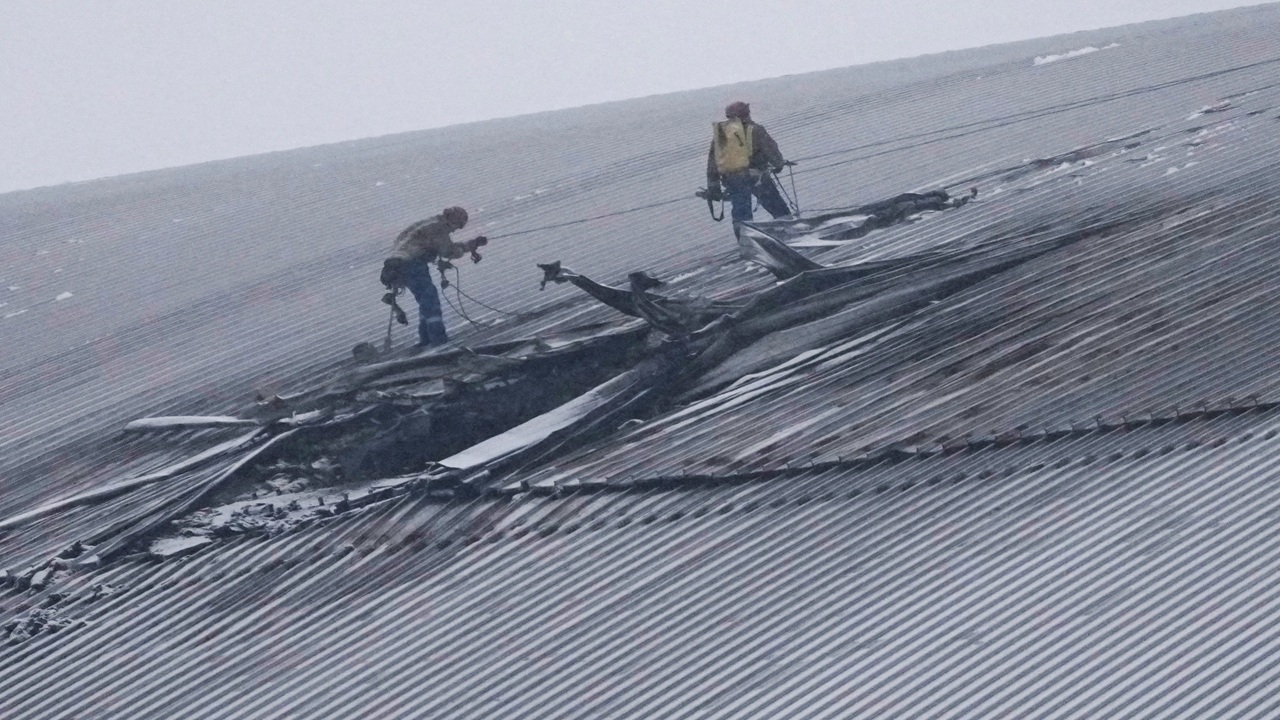
Decades later, Chernobyl is still not finished with history. The reactor remains sealed beneath layers of containment, requiring constant vigilance. Radiation lingers in the ground, in the air, in memory.
What endures most is not just the scale of the disaster, but its persistence. Chernobyl did not end in 1986; it simply changed form, settling into the lives it displaced and the land it altered, refusing to fully fade.