Chattogram City Corporation (CCC) Mayor Shahadat Hossain has warned that strict legal measures will be taken against those illegally occupying parts of Patenga sea beach and running unauthorised businesses.
Speaking after an eviction drive at the beach on Friday, the mayor said Patenga is one of Chattogram’s most valuable assets and a major attraction for both domestic and international tourists. “Keeping the beach clean and beautiful is everyone’s responsibility,” he said.
“Patenga is a public space where people come to relax. No one is allowed to occupy the walkway or public areas by setting up tables and umbrellas for business,” the mayor said, adding that complaints had been received about vendors coercing tourists into buying food and overcharging them.
He said if any business harms the beach’s cultural or environmental balance, the city corporation will take necessary action. Shops and food stalls already exist behind the beach area, he added, but establishing permanent hotels or structures along the coast will not be tolerated.

“I have spoken several times with traders who agreed that the beach should remain open for all. After awareness campaigns and drives led by executive magistrates, we will now begin legal procedures against those who continue to occupy the area,” he said.
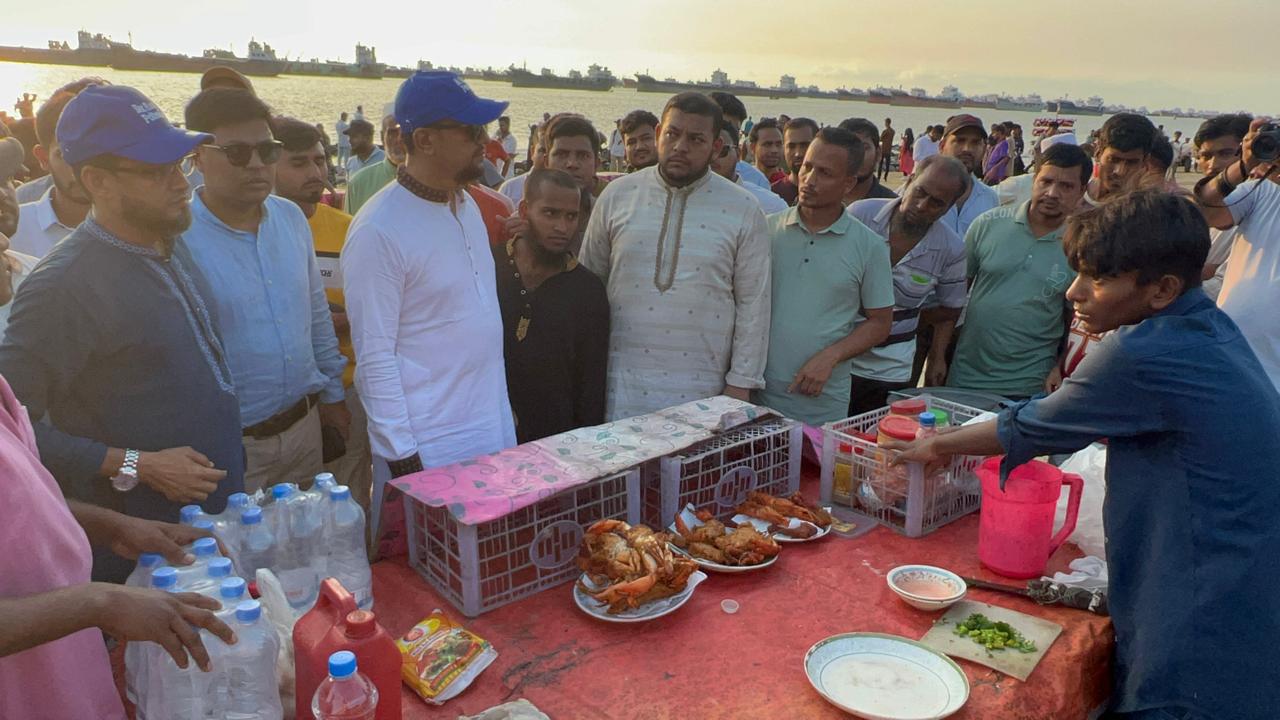
The mayor said the drive will continue in coordination with the district administration, Chattogram Development Authority (CDA), and Tourist Police.
Before the eviction drive, Mayor Shahadat attended a public awareness programme jointly organised by the United Nations Development Programme (UNDP) Bangladesh and the CCC, aimed at combating single-use plastic pollution.




Addressing the event, he said, “Patenga is one of the most visited coastal areas, but plastic pollution threatens its beauty and biodiversity. Through this initiative, we aim to build a responsible culture where every visitor takes ownership of keeping the beach and the sea clean.”
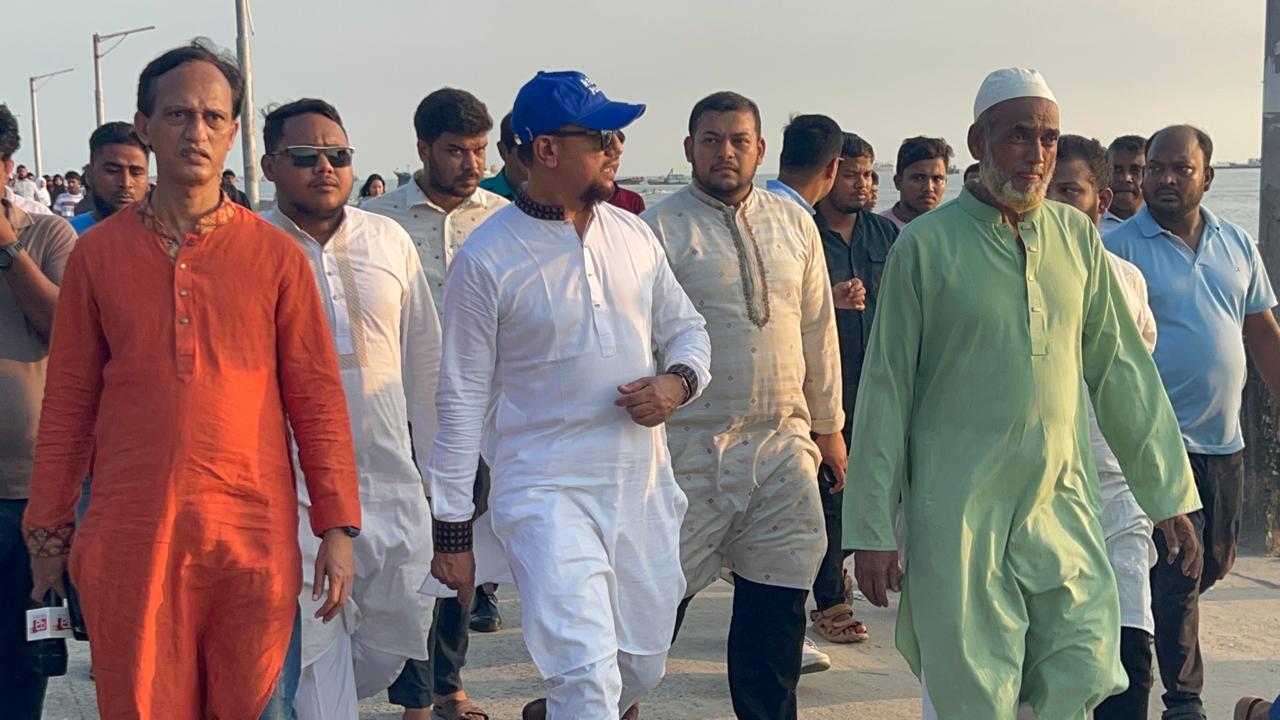
UNDP Bangladesh Assistant Resident Representative Sardar M Asaduzzaman said Patenga is not just a beach but a symbol of Chattogram’s pride.
“Every day, plastic waste here poses risks to marine life, public health, and livelihoods. Everyone must act together to tackle this crisis,” he said.
Bangladesh generates about 800,000 tonnes of plastic waste annually, with Chattogram alone producing around 3,000 tonnes daily. A significant portion flows into the Karnaphuli River and the Bay of Bengal, threatening marine ecosystems and coastal communities.
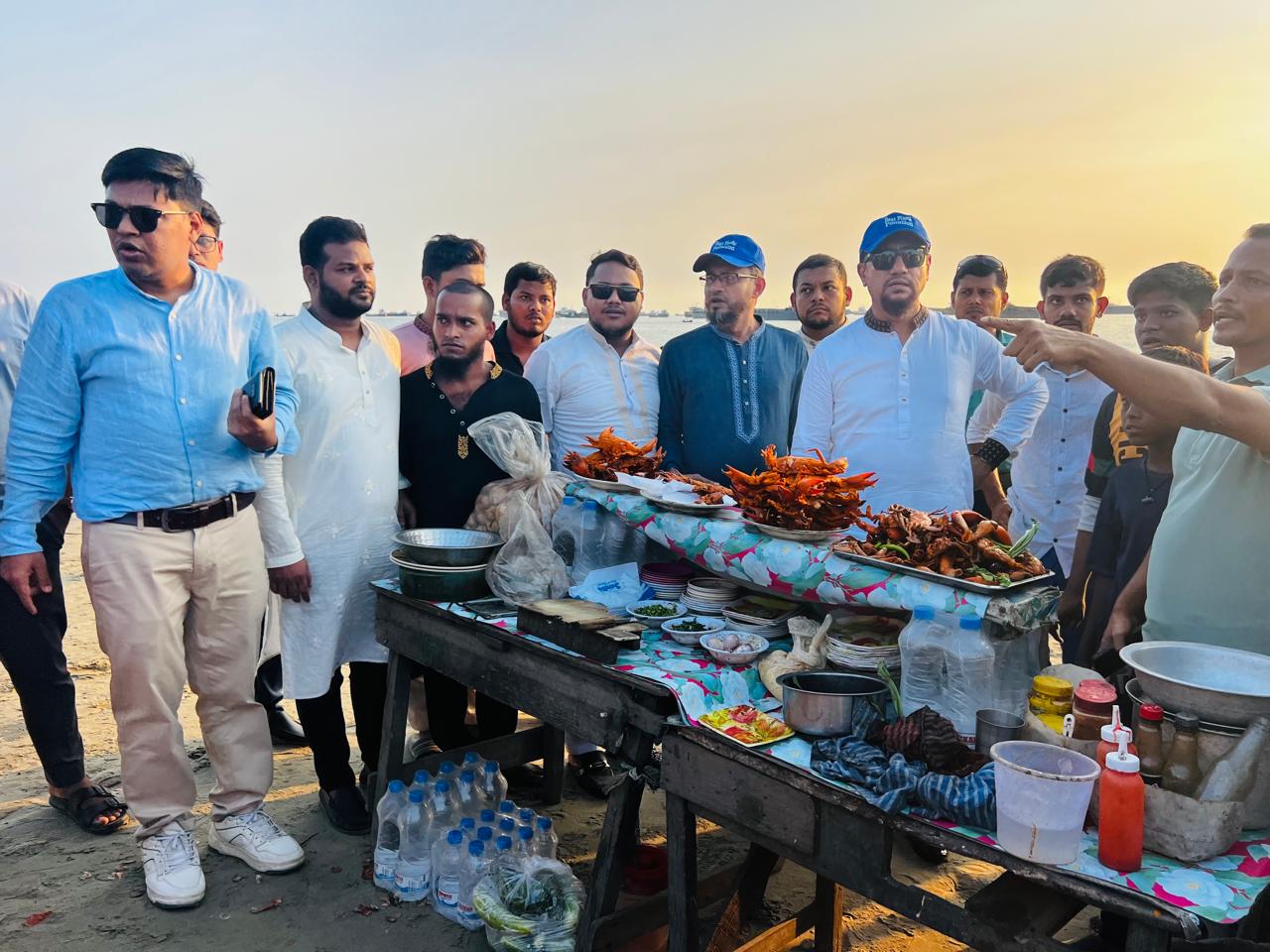
Throughout the daylong programme, young volunteers conducted a beach-cleaning campaign, installed eco-friendly bins and awareness boards, and encouraged visitors to pledge against using single-use plastics.
They also displayed messages about the impact of plastic waste on marine biodiversity and the importance of responsible consumer behaviour.
Students from schools, colleges, universities, and local organisations took part in the initiative, demonstrating that small collective efforts can bring about long-term change.
The event was part of UNDP Bangladesh’s “Plastic Circularity Project,” supported by The Coca-Cola Foundation, which aims to recover and manage 15,000 tonnes of plastic waste responsibly in Chattogram, Cox’s Bazar, and Tangail.