
The upcoming national budget for fiscal year 2026–27 is not merely a statement of accounts. It is the final fiscal blueprint before Bangladesh officially exits least developed country (LDC) status on November 24, 2026. This transition marks the end of an era of “protected growth” and the beginning of a “competitive reality”.
With a projected expenditure target exceeding Tk8.8 lakh crore, the government must navigate a triple threat: a volatile global energy market, a banking sector burdened by legacy defaults, and a youth population demanding quality employment. The 2026 budget must therefore be a document of resilience, reform and realism.
The energy security crisis: beyond subsidies
One of the most defining challenges for the FY2026–27 budget is the persistent fuel and energy crisis, now drastically intensified by the 2026 Middle East escalation. As global crude and liquefied natural gas prices have reached historic highs due to the disruption of major transit routes, Bangladesh, which relies on imports for nearly 95 per cent of its fuel, faces a structural breaking point that threatens to derail its upcoming LDC graduation.
A fiscal and industrial squeeze
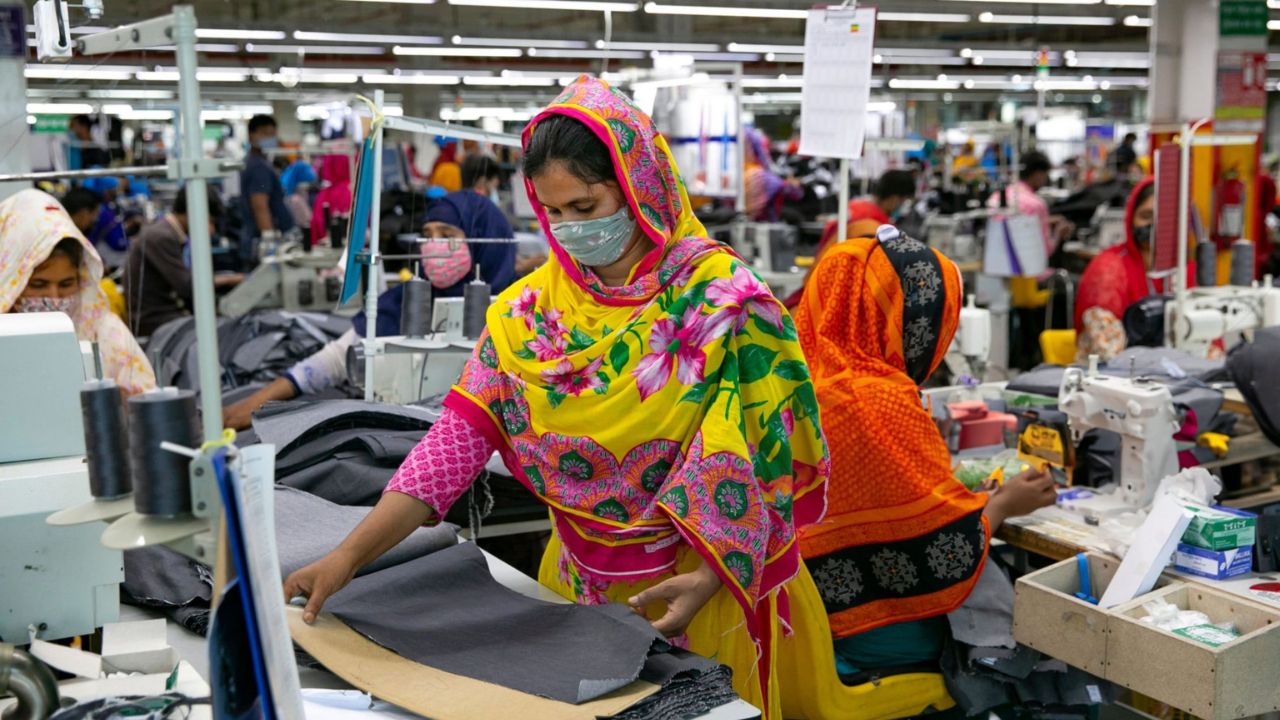
The current geopolitical volatility has created a dual crisis. Fiscal instability is deepening as the rising cost of energy subsidies places pressure on the exchequer. The government’s reluctance to fully pass through costs has widened fiscal leakage, while the automated pricing mechanism struggles to adjust to extreme global volatility. At the same time, industrial stagnation is becoming evident. Frequent power outages and gas shortages are constraining production, particularly in the ready-made garment (RMG) and SME sectors. This is raising business costs and weakening competitiveness ahead of a post-LDC trade regime.
A shift toward strategic diversification
As the November 2026 transition approaches, the budget must move away from subsidising consumption towards structural diversification. A gradual adjustment of energy prices is necessary to stabilise public finances, but this must be accompanied by sustained investment in resilience. This shift is expected to improve industrial efficiency and reduce dependence on fossil fuel imports, insulating the economy from future geopolitical shocks.

Strategic energy diversification pathway
To secure energy stability and reduce industrial risk, the FY2026–27 budget should prioritise structural initiatives. A $3 billion energy sovereignty fund can accelerate domestic gas development in Bhola, Sylhet and other prospective areas, with the aim of adding 400 to 600 mmcfd to the national grid by 2027 and reducing reliance on imports. At the same time, industrial captive solar incentives can support installation of 3,500 MW rooftop capacity by 2030 through double-deduction tax benefits, allowing a 200 per cent write-off on green capital expenditure and easing pressure on the grid during peak hours.
A targeted energy credit system for SMEs can replace broad subsidy models by offering focused support while encouraging energy efficiency. Investment of around $500 million from international climate finance can upgrade grid infrastructure and reduce system losses from 7 to 9 per cent to 4 per cent. Parallel efforts to develop offshore wind through public-private partnerships can diversify the energy mix beyond the current heavy dependence on fossil fuels. A zero-VAT policy on high-efficiency solar inverters and lithium-ion storage can further reduce grid demand, particularly among large RMG exporters.
Macroeconomics: the triple frontier
The FY2026–27 budget represents the final opportunity to stabilise the macroeconomic environment before the end of the protected growth phase.




Inflation remains persistent at around 8.5 to 9 per cent and may exceed 10 per cent despite tight monetary policy. High interest rates are suppressing investment, while supply-side disruptions in energy and logistics continue to push prices higher. This highlights a structural constraint where monetary tools alone cannot resolve cost pressures.
At the same time, Bangladesh’s tax-to-GDP ratio remains low at around 5.56 to 6.8 per cent, while the debt-to-GDP ratio is approaching 40 per cent. As concessional financing declines after LDC graduation, debt servicing is projected to absorb nearly 30 per cent of revenue. This creates a risk of crowding out development spending unless revenue mobilisation improves.
Foreign exchange reserves have stabilised but remain under pressure due to high import bills. Strengthening remittance inflows through formal channels, including insurance or pension-linked incentives, could help stabilise reserves. In addition, reconstruction demand in the Middle East may create opportunities for Bangladeshi workers, supporting external balances.
The LDC graduation: the final countdown
On November 24, 2026, Bangladesh will formally exit the LDC category, turning the budget into a bridge towards a more competitive trade environment.
The loss of duty-free quota-free access presents a significant risk. Exports could decline by 8 to 10 per cent, with potential losses ranging from $2.5 billion to $17.5 billion if productivity gains fail to offset tariff increases.
Even if graduation is delayed, the period must be used to address structural weaknesses. The economy needs to shift from reliance on trade preferences towards diversification and compliance with global standards. A targeted $1 billion export competitiveness fund can support sectors such as leather, pharmaceuticals and ICT, while alignment with European Union standards will be critical to securing continued market access.
The banking sector and the burden of default loans
The fiscal outlook is closely tied to the banking system. Non-performing loans have reached Tk5.44 lakh crore, the highest on record, creating liquidity constraints and limiting credit flow to businesses.
Persistent defaults are increasing reliance on domestic borrowing, raising the risk of crowding out private sector investment. Establishing an asset management company to recover distressed assets and strengthening enforcement under the Bank Company (Amendment) Act will be necessary to restore financial discipline.
The unemployment paradox
Bangladesh’s demographic dividend presents both an opportunity and a risk. More than 2.2 million people enter the labour market each year, while export vulnerabilities may threaten employment after LDC graduation.
The disconnect between GDP growth and job creation reflects structural weaknesses. Without diversification and skill development, the labour market may face rising pressure. A shift towards a jobs-first approach is required, aligning fiscal incentives with employment generation and prioritising human capital.
The Annual Development Programme should place greater emphasis on skills and workforce readiness rather than infrastructure alone. A national internship subsidy, where the government co-finances entry-level employment in technology and manufacturing, could help bridge the experience gap and support formal job creation.
A call for fiscal discipline
The FY2026–27 budget is a test of economic maturity. Bangladesh is entering a more competitive phase amid global uncertainty, where stability will depend on addressing core structural challenges.
Success will depend on stabilising energy supply, strengthening the banking sector, improving revenue mobilisation and expanding employment opportunities. If these priorities are managed effectively, LDC graduation can become a foundation for sustained growth rather than a source of economic strain.
The author is an Associate (ASA) CPA Australia and a Certified Financial Consultant (CFC) with IFC Inc Canada. He is a banker and a strategic analyst specialising in geopolitical economy, BRICS dynamics and the evolving fintech landscape. The views expressed in this article are solely those of the author. He is reachable at Email: [email protected]