In Madagascar, protests began in the capital, Antananarivo, on September 25, sparked by relentless power cuts and water shortages. Within days, the unrest spread north to Mahajanga and south to Toliara and Fianarantsoa.
Thousands of young people, students and jobless youth poured into the streets. They demanded the resignation of President Andry Rajoelina, accusing his administration of corruption, incompetence and indifference.
Their anger had been simmering for years. High poverty, soaring prices and failing public services pushed people to the edge. Nearly three-quarters of Madagascar’s 32 million people still live below the poverty line.

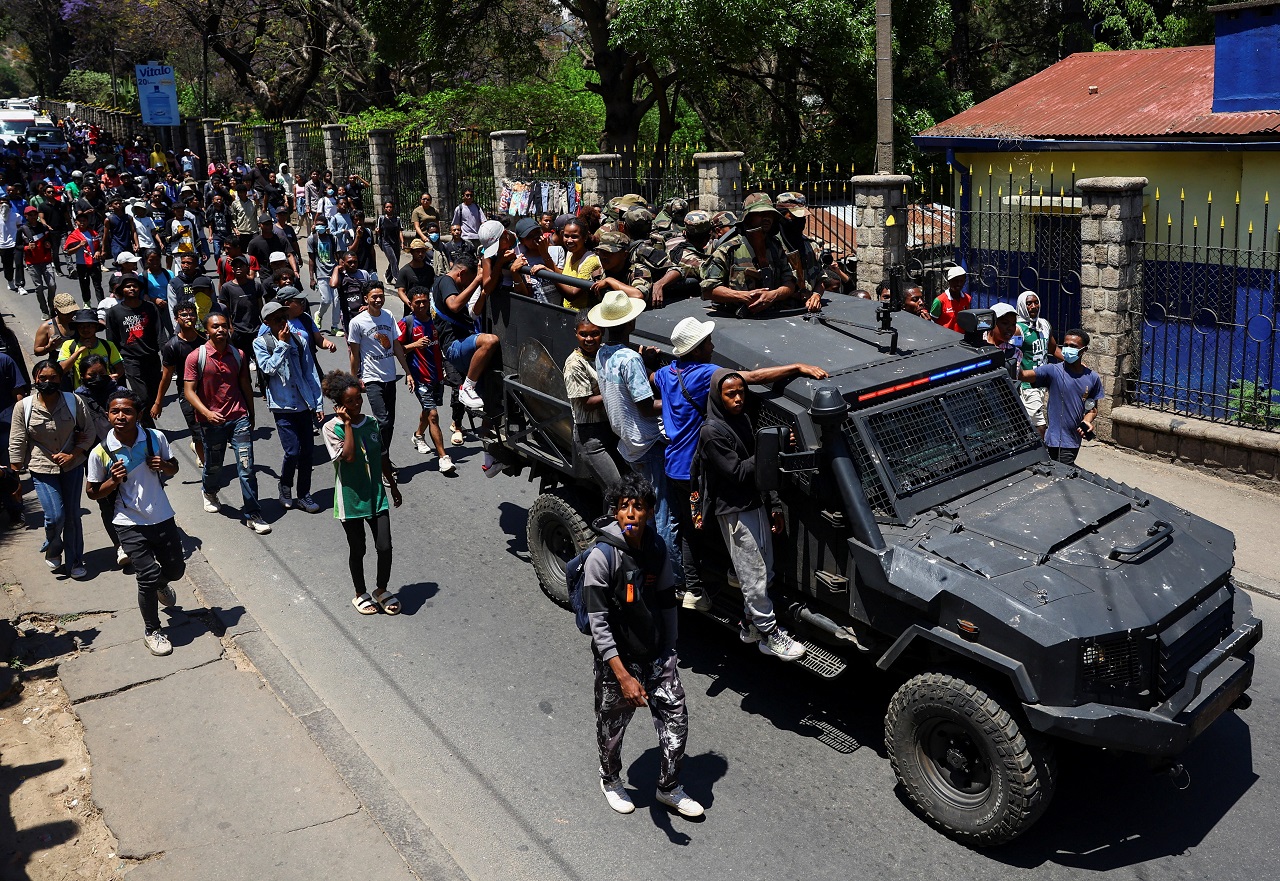
When Rajoelina dissolved his government on September 28, the streets didn’t quiet down; they erupted. Protesters wanted more than a reshuffle. They wanted him gone. By next Friday, police were firing tear gas into crowds of defiant youths who refused to back down.
At least 22 people have been killed so far, according to the United Nations. Rajoelina blamed the opposition and “foreign manipulators.” Protesters dismissed those claims, saying their fight was homegrown. It is a movement born from darkness, thirst and fatigue.
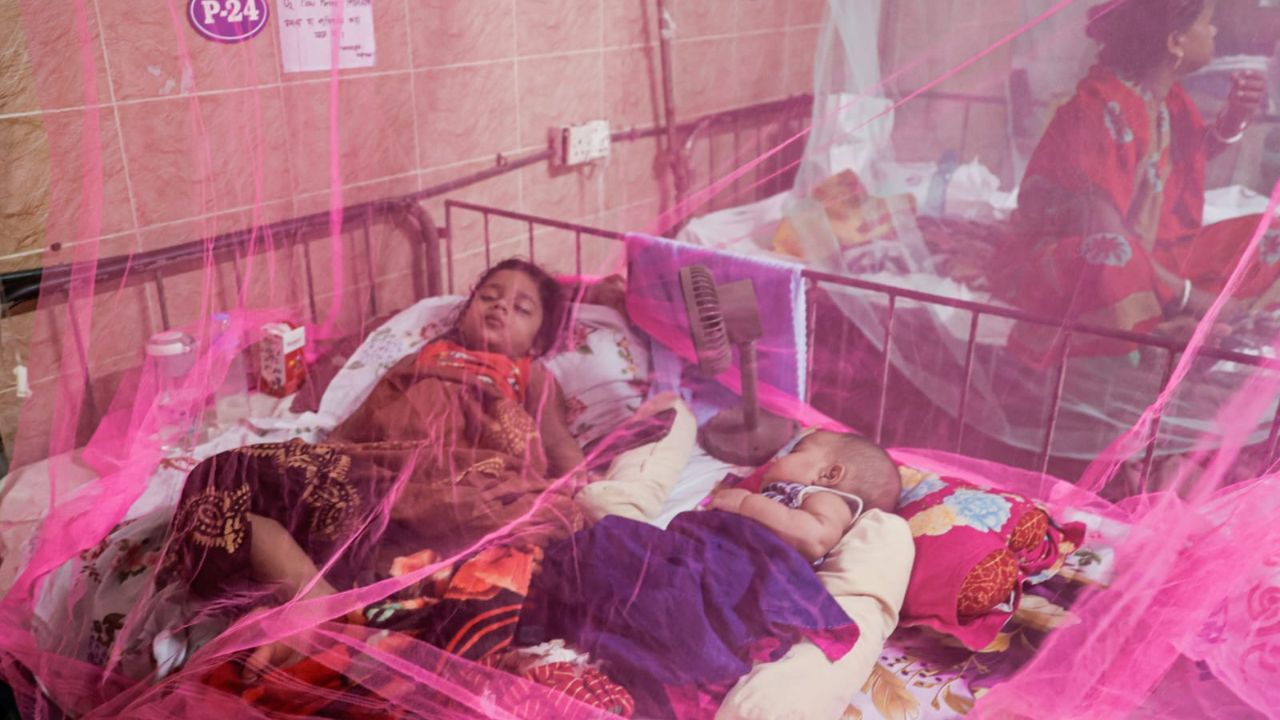


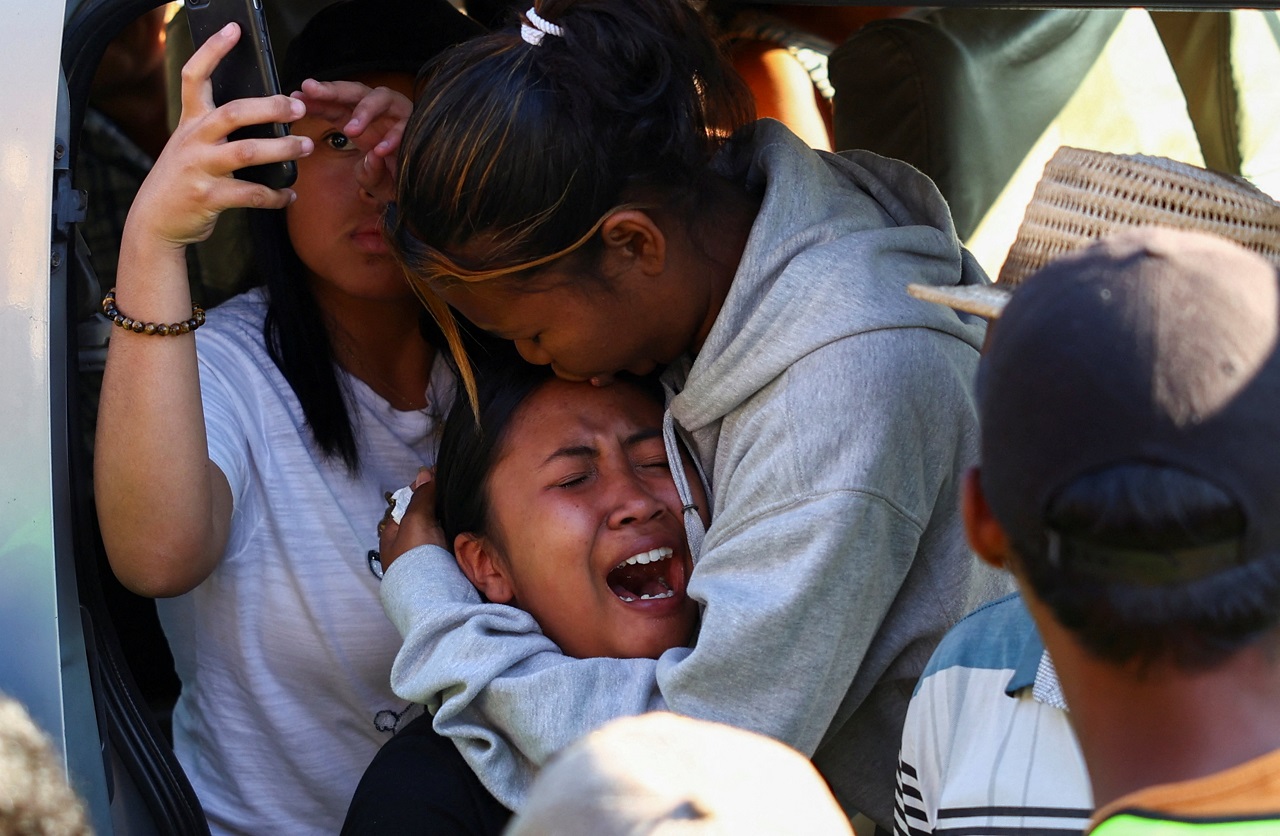
By October 14, the capital had become a sea of voices and smoke. Crowds gathered around Analakely market, waving jerrycans and lanterns, chanting, “We don’t want power. We want lights!” From balconies above, families banged pots in rhythm. For a moment, the entire city seemed to rise together.
Then came the gas. Rubber bullets. The rush of people shielding each other with umbrellas. As night fell, fires flickered across Antananarivo. Military trucks rolled in; curfews were announced. Yet the protesters stood their ground. When a powerful army unit defected, soldiers and citizens briefly stood side by side. It was an image that would echo across the island.

Rajoelina soon fled. A military council declared control, promising stability. But what comes next is unclear. Shops reopened, but blackouts persist. Hashtags like #JiroHoAnDrehetra (Light for all) now carry the protest online. In cities and villages, people still light homemade lamps at dusk, part vigil, part reminder.
As the smoke clears, the demand remains simple: light, water and dignity. This time, the people of Madagascar are not ready to be left in the dark again.