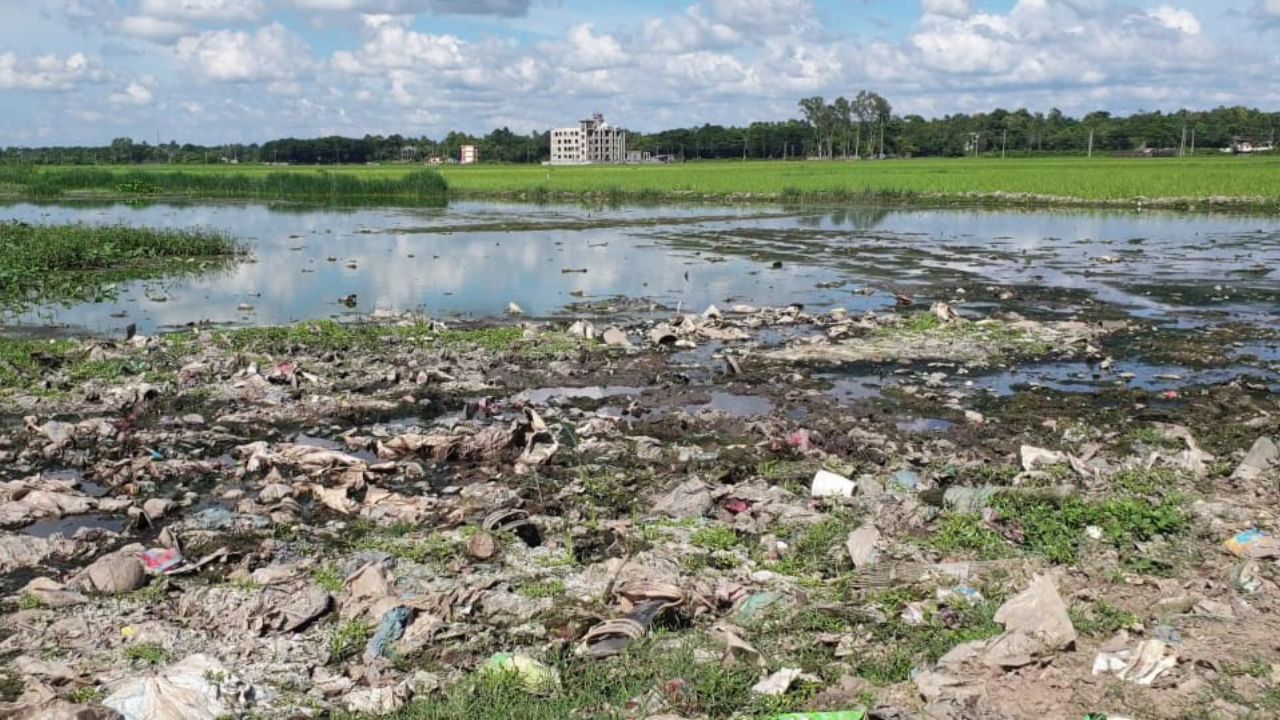

The haor belt of Moulvibazar is facing severe pollution due to unregulated industrial and municipal waste dumping endangering biodiversity, putting farmers and locals at health risk.
Moulvibazar Sadar and Sreemangal are worst hit areas, but municipal records show that 4.41 acres of land were purchased in 2005 and again in 2022 to build a modern dumping station.
Recent visits reveal the dumping station at Moulvibazar Sadar in unused condition.
Dumping station worker Munna said 12 to 15 tonnes of waste arrive daily, much of which spills into the haor as there are no boundary walls separating the waterbody and dump yard.
Although Tk 10 crore was allocated in the 2022–23 fiscal year, boundary fencing and road infrastructure remain incomplete.

Khainjar Haor and Binnar Haor in Jagannathpur and Gomra areas merge into the vast Hail Haor. Once known for its three-season crops and freshwater fish, the haor has now been reduced to a single-crop wetland with limited fish variety, plagued by pollution, waterlogging and loss of navigability.
From morning till late night, municipal waste trucks and pickups dump garbage at the Khainjar Haor dumping station using the Srimangal road without any fixed schedule.
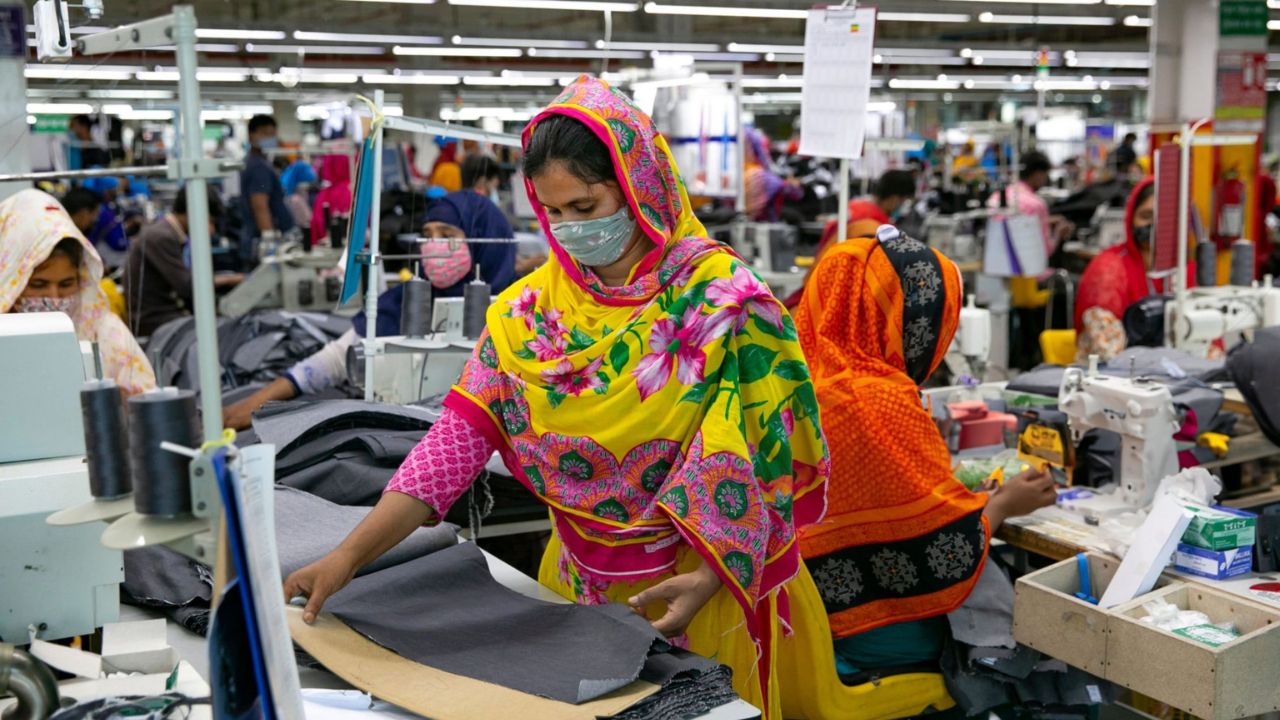
Liquid waste and chemical effluents from 36 factories in the Bangladesh Small and Cottage Industries Corporation industrial estate in Gomra flow directly into the haor through drains. Household, hotel and hospital waste from the town is also discharged through Kodalichhara canal, turning the water toxic.
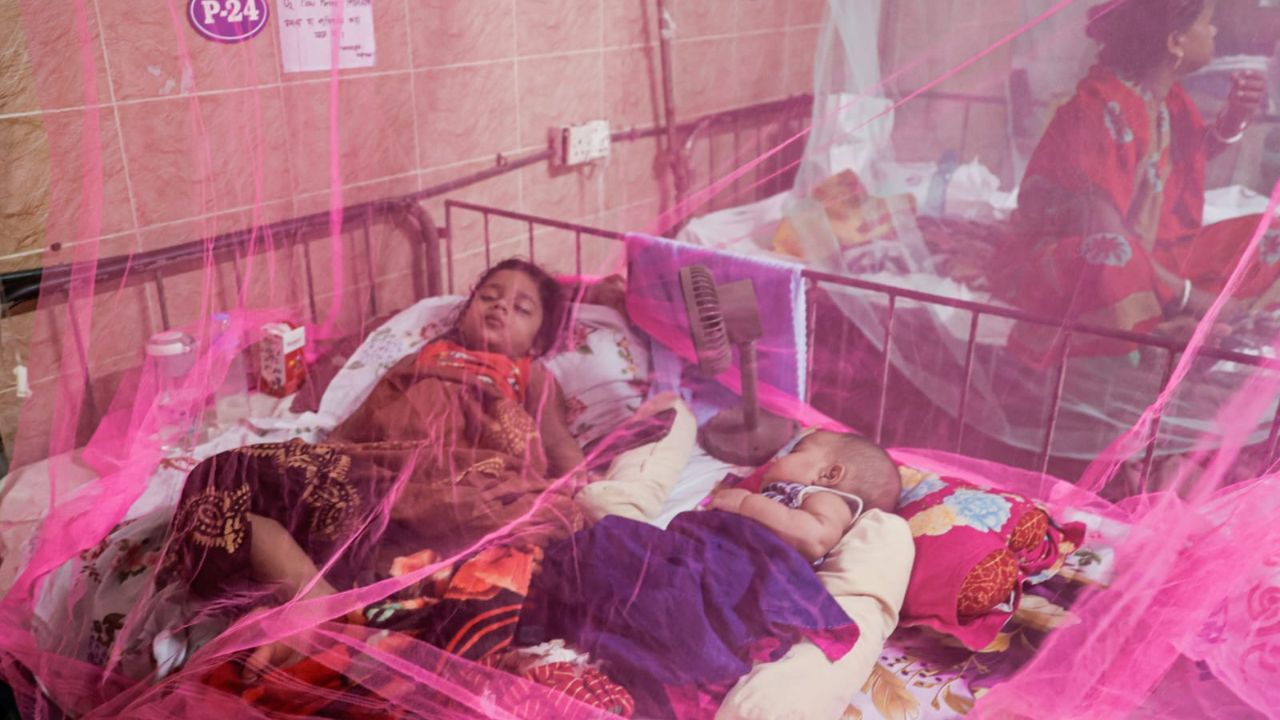


Farmlands, livestock feed sources and fish enclosures around Khainjar Haor have depleted over the years. Farmers, forced to enter the foul water for cultivation and cattle rearing, are suffering from skin infections and festering wounds.
Shimul Mia, a farmer from Gomra, said, “Rotting garbage is poisoning our water and air. Not just dumping station waste, even plastic, hospital and hotel waste from the town ends up in the haor.”
Khainjar Haor farmer Shafik Mia said, “Garbage trucks block the road, making movement impossible. While working in the field, injection needles pierce our feet. Without a boundary wall, waste spreads into the entire haor.”
Former Mostafapur Union Parishad chairman Tajul Islam said they filed written complaints, but no action followed.
Professor Sakhawat Hossain of the Aquaculture Department at Sylhet Agricultural University warned that uncontrolled waste discharge into the haor is creating a deepening environmental crisis that threatens fisheries, agriculture and human health.
He said depleted dissolved oxygen levels could trigger mass fish deaths, particularly affecting eggs and fry, which would devastate natural fish stocks and local fishermen’s livelihoods.
He further warned that heavy metals and toxic chemicals from industrial waste are entering the food chain through fish and agricultural produce, posing long-term health hazards for humans.
Plans to set up organic fertiliser and biogas plants have also stalled.
Department of Environment deputy director Maizul Islam said clearance renewals for several BSCIC factories have been halted due to pollution but added that municipal waste management is beyond their jurisdiction.
Municipal assistant engineer Anwar Sahadat said a Tk 20–25 crore project has been proposed to prevent waste from spreading outside the dumping site and is likely to be approved in the next financial year.