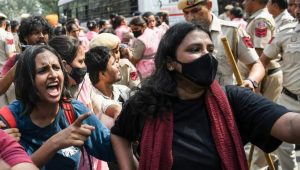
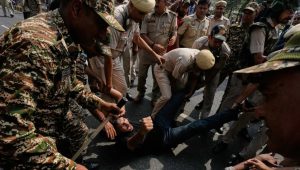
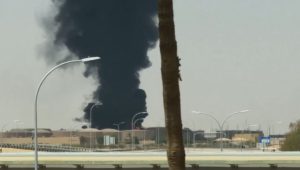
Clashes between protesters and police escalated across Bolivia on Monday as demonstrations calling for President Rodrigo Paz’s resignation entered their fifth consecutive week.
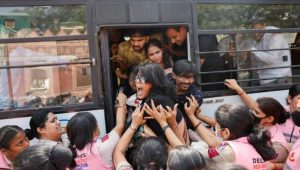
Authorities arrested dozens of people amid growing unrest, fueling concerns over a potential government crackdown.
The unrest escalated in the central city of Cochabamba after Paz signed legislation that could facilitate the declaration of a state of emergency, potentially granting broader powers to security forces to restore order and remove road blockades that have disrupted the country.
Protesters hurled stones, sticks and firecrackers at police, who responded with tear gas. Authorities said at least 23 people were detained in Cochabamba, while another 28 arrests were reported in El Alto following unrest linked to fuel shortages.

The demonstrations, led by labour unions, peasant organisations and Indigenous groups, have resulted in around 90 road blockades across the country, severely affecting transportation and causing shortages of food, fuel and medical supplies.
The protesters have accused Paz of failing to address Bolivia’s economic difficulties and criticised his decision to eliminate fuel subsidies.




Many demonstrators say the government has not delivered on promises made during last year’s election campaign.
According to Bolivia’s independent public ombudsman, the unrest between 1 May and 2 June left 10 people dead, 37 injured and 365 arrested.
The government said seven of the deaths were linked to a lack of medical care due to the blockades, while investigations into all fatalities remain ongoing.
Although Paz has repeatedly called for dialogue and urged restraint by security forces, protest leaders have largely rejected negotiations and continue to demand his resignation, just seven months after he took office.
Speaking after signing the legislation, Paz said the measure was intended to protect the country from what he described as “narco-terrorism” linked to the protests. He also reiterated his willingness to engage with groups presenting legitimate demands.
The new law eases procedures for imposing a state of emergency, though a separate presidential decree would still be required before such measures could take effect.
Analysts say the government faces growing pressure to take stronger action as the prolonged protests continue to paralyze large parts of the country, particularly La Paz and the neighbouring city of El Alto.