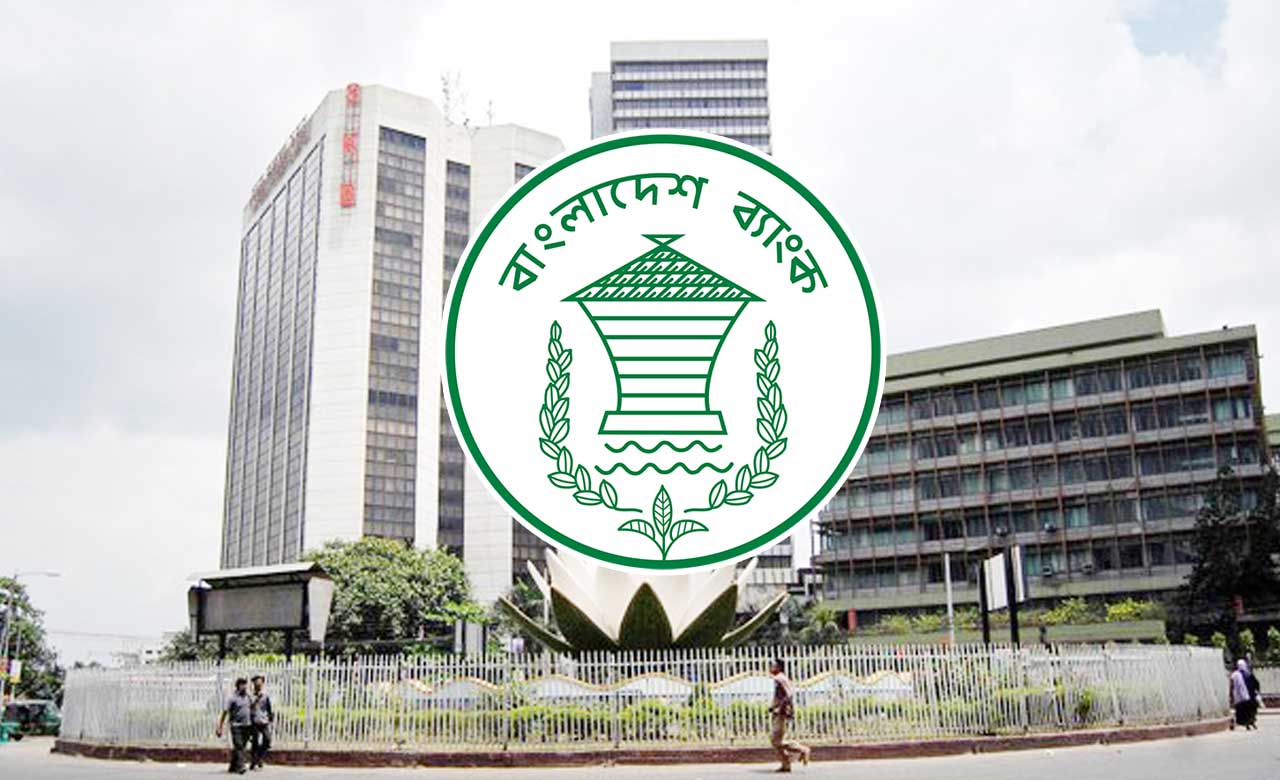

Bangladesh Bank’s board has approved a long-debated draft of the Bangladesh Bank Ordinance 2025, a move that signals the central bank’s most serious step yet toward greater independence.
The draft, endorsed at a special board meeting on Tuesday after two contentious sessions, is expected to be enacted by presidential ordinance before the end of December, giving the financial regulator its own legal framework.
“This marks a crucial step toward full autonomy,” central bank spokesman Md Arief Hossain Khan told TIMES of Bangladesh, confirming the decision.
A board director, speaking on condition of anonymity, said a few members raised objections during the meeting, sparking some debate. “With the backing of several members, the governor took a firm stance, and that ultimately led to the draft’s approval,” he said.

The ordinance will now move to the Finance Ministry and the Advisory Council before being sent to the president for issuance.
Among its provisions, the measure proposes reducing bureaucratic dominance on the central bank’s nine-member board, leaving only one civil servant in place of the current three. Six seats would go to private-sector representatives drawn from banking, economics, law, and industry, alongside one deputy governor chosen by the governor. The governor himself would chair the board.
The draft also reshapes the process for appointing and removing top officials. Governors would be appointed by the president on the recommendation of a search committee comprising the finance minister, commerce minister, and a current or former governor, rather than by bureaucrat-led panels.




Removal would be possible only through a three-judge panel of the Supreme Court’s appellate division, ending the Finance Ministry’s discretionary power to dismiss governors and deputy governors. The terms of these officials would be set at a minimum of four years.
In another change, the central bank’s board would gain the authority to determine staff salaries and benefits, freeing employees from the government’s civil service pay scale.
The draft was prepared with technical input from the International Monetary Fund and legal advice from Dr. Kamal Hossain & Associates, as well as a foreign consultancy.
Governor Ahsan H Mansur had earlier told TIMES of Bangladesh he hoped to have the proposal approved and forwarded to the ministry by mid-September, a timeline he now appears to have met.
BB to appoint administrators to troubled Islamic banks:
In a separate decision, the board moved to place administrators in five struggling Islamic banks—First Security Islami Bank, Social Islami Bank, Global Islami Bank, Union Bank, and Exim Bank—with the goal of merging them into a new state-owned entity tentatively called United Islami Bank.
A senior central bank official will lead the administrator team, supported by four deputies, while existing boards will be sidelined and senior executives, including managing directors, will remain in place.
The government has pledged to inject 202 billion taka, to capitalise the new bank. The consolidation process is expected to take at least two years, after which the current boards and management committees of the five banks will be dissolved. “This process has begun,” Arief Hossain Khan said. “The administrator teams will now take charge.”