Commerce Minister Khandakar Abdul Muktadir has called for a cautious approach to reforming the World Trade Organization (WTO), warning that any changes must not undermine the institution’s foundational principles.
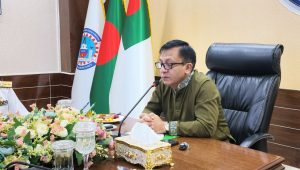
Speaking at the 14th WTO Ministerial Conference (MC14) in Yaounde on 26 March, during the “WTO Reform: Fundamental Issues” session, Muktadir emphasised that the WTO’s primary purpose is to foster trade-driven development among its member nations.
The minister stated that the current consensus-based, rules-driven system – built on the pillars of non-discrimination and inclusion – provides essential benefits to developed, developing, and least developed countries alike.

He specifically identified mechanisms such as Most-Favoured-Nation (MFN) treatment, duty-free and quota-free (DFQF) market access, and special and differential treatment (S&DT) as vital instruments for promoting equity and inclusion in global trade.
Highlighting the historical effectiveness of the system, Muktadir noted that median incomes in advanced economies have grown steadily over the past thirty years, with the only exceptions being the 2008 global financial crisis and the COVID-19 pandemic.




While acknowledging the necessity of WTO reforms, Muktadir cautioned that decades of work established under the current framework should not be dismantled in the name of change.
He asserted that the reform process must preserve the integrity of the system, safeguard prior achievements, and deliver inclusive, development-oriented outcomes for all members.
The MC14 conference, a primary forum for shaping global trade policy, is being attended by representatives from 166 member countries.
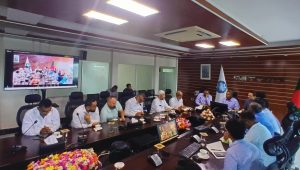
The Bangladeshi delegation, led by Muktadir, includes Commerce Secretary Mahbubur Rahman and senior officials from the Ministry of Commerce and the Bangladesh Permanent Mission in Geneva.