Bangladesh is initiating a new chapter in the digital transformation of its judicial system with the official inauguration of the country’s first e-Family Court.
The platform, developed as a fully integrated Digital Court Management and Case Automation Solution, is being rolled out by Daffodil International University’s centre for Software Development & Emerging Tech and Daffodil Software Ltd, who are serving as the principal technological collaborators.
The e-Family Court platform went live at Dhaka Family Court–5 on November 24 and is scheduled to become operational at Chattogram Family Court–1 from November 30. The system provides court users with access to online case filing, digital documentation, and limited online hearings, creating a faster and more citizen-friendly judicial service, it was revealed in a press release.
Distinguished guests at the inauguration included Prof Dr Asif Nazrul, Adviser to the Ministry of Law, Justice and Parliamentary Affairs; Syeda Rizwana Hasan, Adviser to the Ministry of Environment, Forest and Climate Change; and Faez Ahmed Taiyyeb, special assistant to the Honourable Chief Adviser (ICT). Senior leadership from Daffodil International University, including Founder and Chairman Dr Md Sabur Khan, also attended.

In his remarks, Dr Asif Nazrul stated that the project would set the foundation for broader e-Judiciary and e-Registration initiatives. Syeda Rizwana Hasan highlighted the environmental benefits of the paperless system, while Faez Ahmed Taiyyeb noted its potential to enhance lawyers’ professional efficiency.
Dr Md Sabur Khan, acknowledging the initiative as a national model, emphasised the role of universities in solving public service challenges. He further stated that the youth of Bangladesh, particularly university students, can solve many national problems through innovation and technology, adding that with the right engagement, they can transform Dhaka into a well-planned, technology-enabled metropolitan model.




The advanced e-Court system offers 24/7 online registration, judicial services from home, and paperless documentation. It aims to enhance transparency, reduce corruption risks, and integrate legal aid mechanisms. The solution, developed without government funding, has already been successfully tested by 250–300 officials from the Judiciary, Ministry of Law, and the Supreme Court.
This collaborative Government–University–Tech Industry model is creating a faster, transparent, and citizen-centric service structure, marking a significant milestone in realizing the vision of Digital Bangladesh.
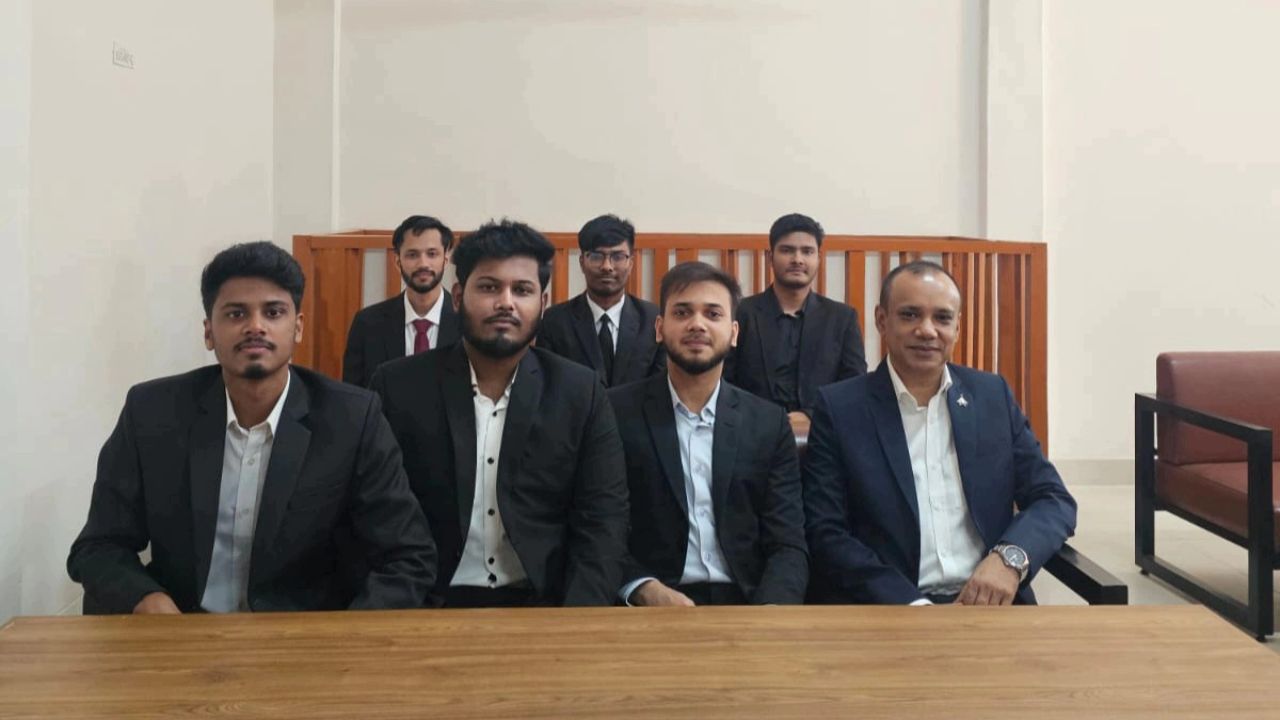
Six members of the Department of Computer Science and Engineering at Daffodil International University worked on software development. They are Mohammad Mejbaul Islam Zion (a former student and current lecturer of the CSE department), Zohir Rayhan, Shafin Ahmed, Mohammad Iman, Jubayer Amin, and Sadat Alam Pratik.
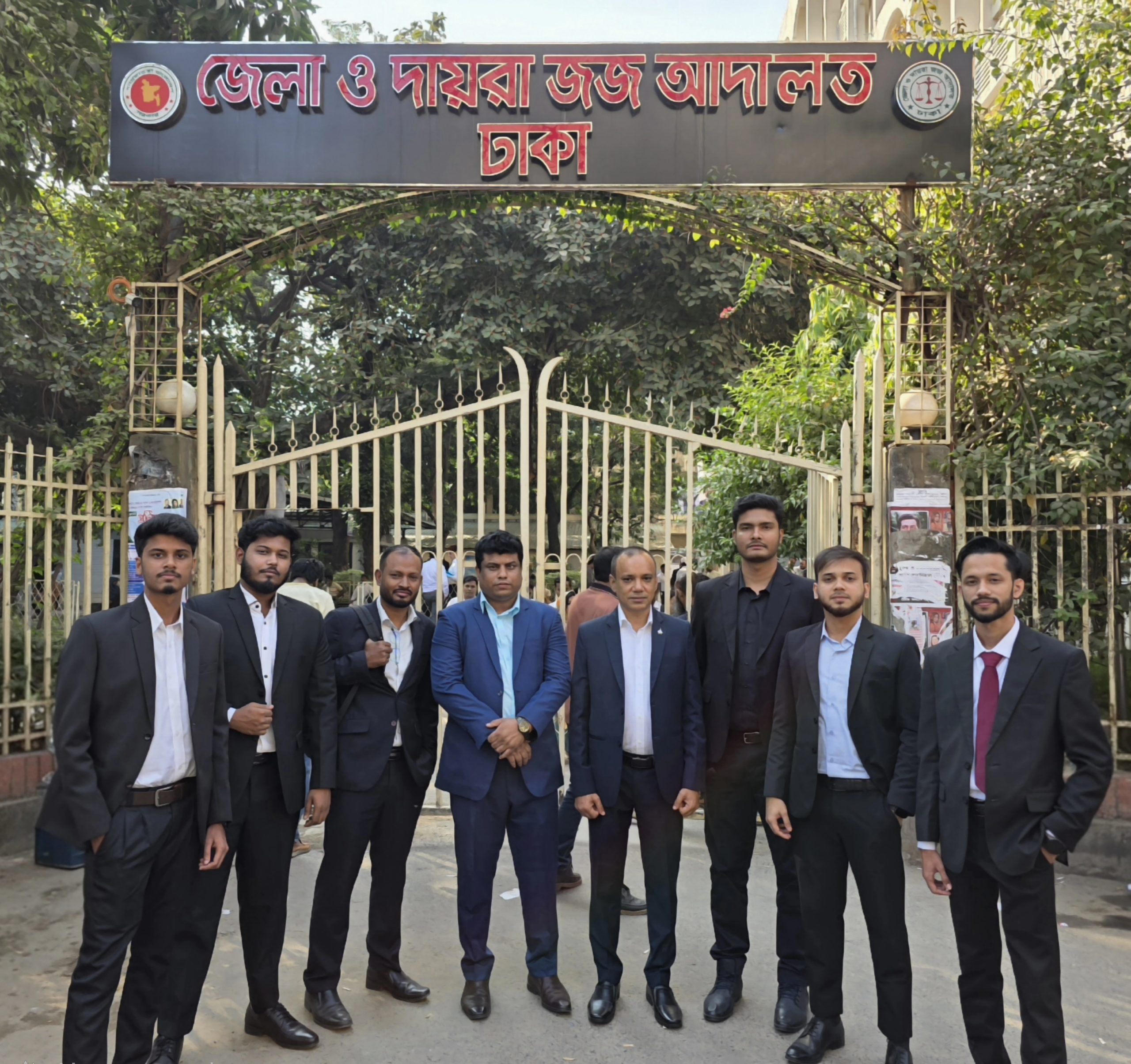
On behalf of Daffodil International University, the Project Director was Professor Dr Sheak Rashed Haider Noori, Head of the Department of Computer Science and Engineering.
In addition, the project coordinator (Domaon Expert) was Dr Md Riaduzzaman, Assistant Professor of the Department of Law. The consultant and system analyst was Md Julfikar Ali. The financial and administrative coordinator was Assistant Registrar Mohammad Khairul Sagir. The project manager was Md. Hasanuzzaman Dipu, a faculty member of the CSE department. The Team Lead (ML & AI) and Database Administrator was Md Zahidul Alam, also a faculty member of the CSE department.