
Bangladesh plans to become one of the world’s top 20 digital economies within five years, officials said, targeting a leap from its current low ranking in digital readiness despite a massive mobile subscriber base.
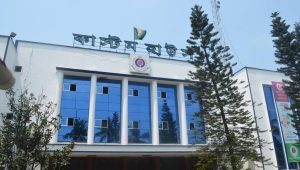
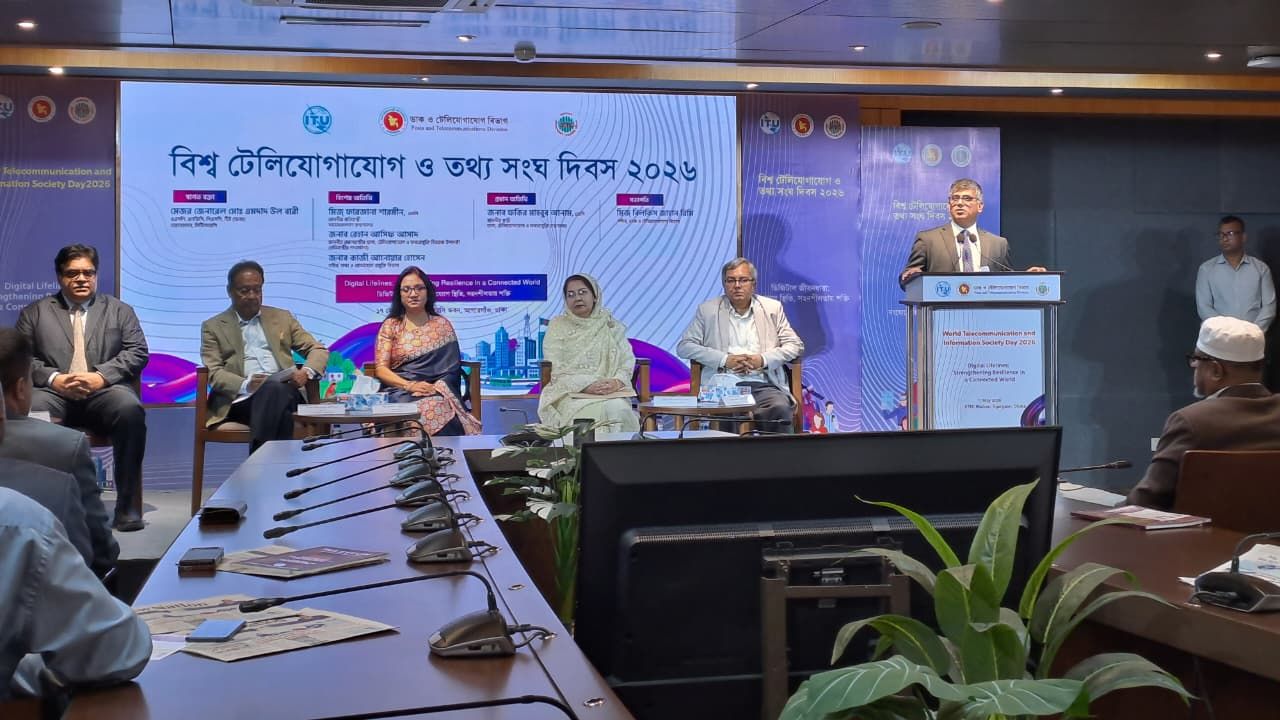
The government announced the ambitious target during the World Telecommunication and Information Society Day 2026 event organised by the Bangladesh Telecommunication Regulatory Commission (BTRC) in Dhaka on Sunday. The agenda included broadband expansion, artificial intelligence (AI) adoption, digital identity systems, and telecom taxation reforms.
Prime Minister’s Adviser on Posts, Telecommunications and ICT Rehan Asif Asad said Bangladesh ranks 97th globally in broadband connectivity and 143rd in digital readiness, despite being among the top 20 countries in mobile subscribers. “We are far behind in service quality, reliability and digital preparedness,” he said. The government also aims to enter the top 10 digital economies within a decade.

Officials estimate the digital and telecom sector could contribute 10 per cent to 15 per cent of GDP over the next five years if broadband penetration, AI integration, and infrastructure improve. Asad cited global research showing that every 10 per cent increase in broadband penetration can raise GDP growth by more than 1 per cent.
As part of the digital transformation agenda, the government plans a “one citizen, one digital ID, one digital wallet” system within two years, creating a nationwide integrated database linked to digital payment systems. AI will be integrated into public services to reduce costs and improve efficiency.




Posts, Telecommunications and IT Minister Faqir Mahbub Anam said Bangladesh intends to shift from technology consumption to production and export of digital services, semiconductors, software, cybersecurity solutions, and hardware. The country currently has 188.4 million mobile connections, over 133.6 million internet subscribers, and 99 per cent 4G coverage.
BTRC Chairman Mohammad Emdad Ul Bari highlighted the vulnerability of global submarine cables, which carry nearly 99 per cent of internet traffic, stressing the importance of resilient digital infrastructure.
Social Welfare State Minister Farzana Sharmin Putul emphasised digital safety, especially for women and children, while Civil Aviation State Minister Rashiduzzaman Millat announced expanded free Wi-Fi at Dhaka, Chattogram, and Sylhet airports.
The event also featured a two-day technology fair with 30 participants, seminars, competitions, and discussions on emerging technologies under the theme “Digital Lifelines: Strengthening Resilience in a Connected World.”