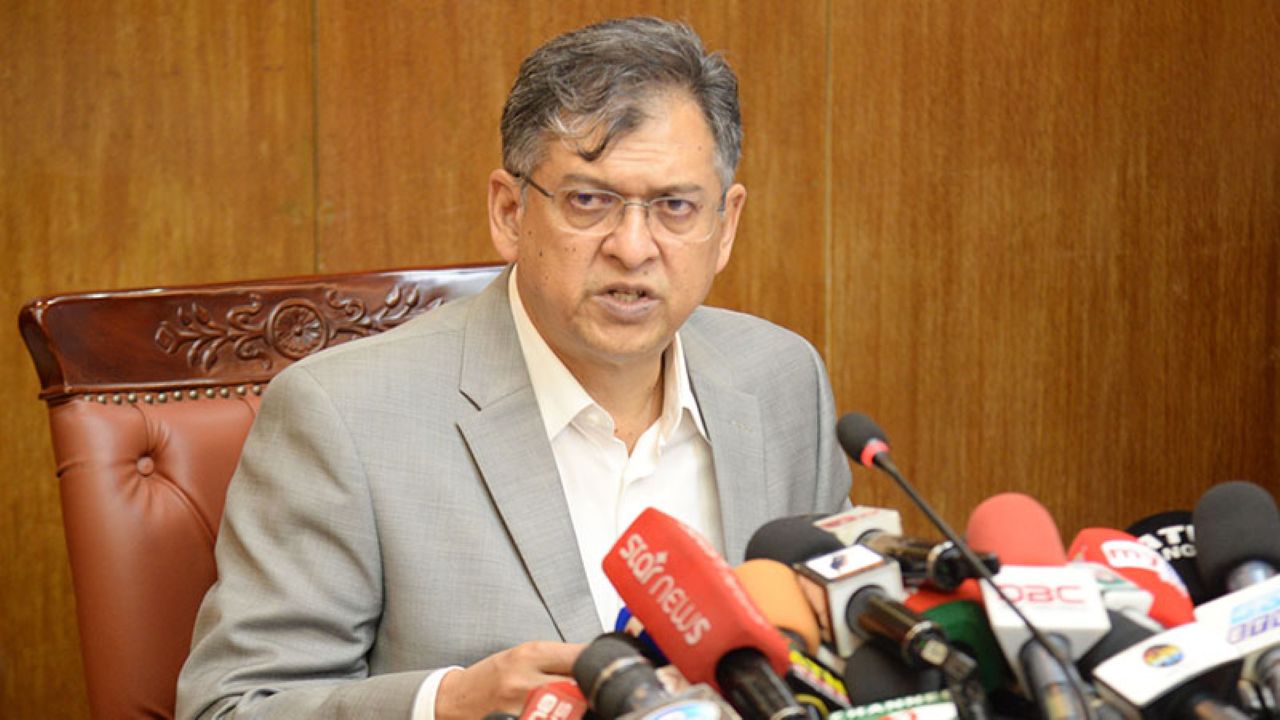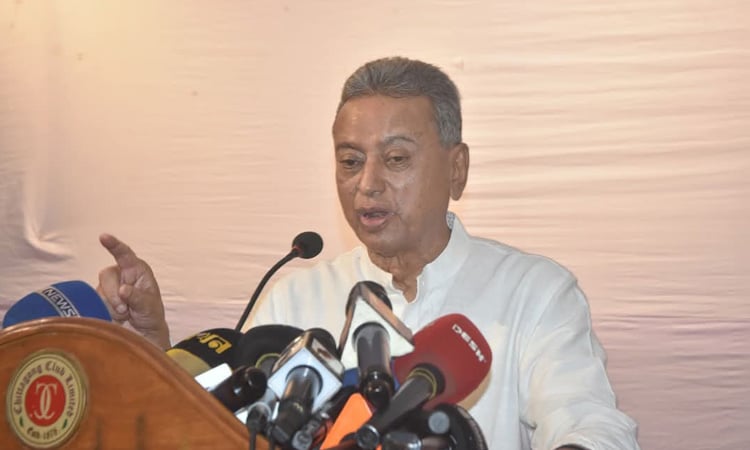

Bangladesh Nationalist Party (BNP) Standing Committee member Amir Khasru Mahmud Chowdhury on Thursday stressed the urgent need for Bangladesh to return to an electoral process that restores people’s ownership of the state.
Addressing a discussion at the Jatiya Press Club organised by the Bangladesh Janaodhikar Party, Khasru responded to calls for a Proportional Representation system in the national elections. He stated that attempts to impose conditions on the people, including threats of non-participation in the elections unless demands are met, would only perpetuate an undemocratic mindset.
“No demand should be a precondition to the upcoming elections, scheduled for February, other than letting the people decide through their votes,” he said.

Khasru also remarked that anyone who believes elections cannot be held unless their demands are fulfilled reflects the undemocratic mindset that Prime Minister Sheikh Hasina has left behind.
He said that the struggles of July–August and earlier protests were not for partisan gain but for the restoration of constitutional and democratic rights. He further highlighted that thousands had lost their lives, livelihoods, and even fled the country due to years of repression, and the eventual fall of the Awami League government was a collective achievement of the people.

Addressing concerns about divisions within the opposition, Khasru dismissed the notion, stating that differences of opinion are part of democracy. He noted, “Every party will have its own philosophy and programme. Consensus where possible is welcome, but beyond that, each should go to the people with its manifesto and present their demands to the parliament.”
He further emphasised that respecting dissent and inclusivity is essential for building a “new Bangladesh.”
Khasru also underscored the importance of ensuring watchdogs in power to prevent authoritarian relapse. “Those who hold power must be questioned—by the media, civil society, pressure groups, academics, even the diaspora. We must guarantee that space for free thought,” he stated.
In his concluding remarks, Khasru stressed that a democratic culture requires tolerance, mutual respect, and a willingness to accept opposing views. He warned that, without these principles, Bangladesh risks becoming a “conflict-ridden nation” rather than progressing through corrective electoral processes.
Additionally, Khasru highlighted the need for democracy to extend into the economy. He stated that all citizens—whether rural artisans, professionals, women, or retirees—must have opportunities to participate in economic activities. Only then, he argued, would people feel ownership and demand accountability for the use of their tax money.
“The fight was not only to change a government but to institutionalise democracy in politics, the economy, and society,” he concluded.