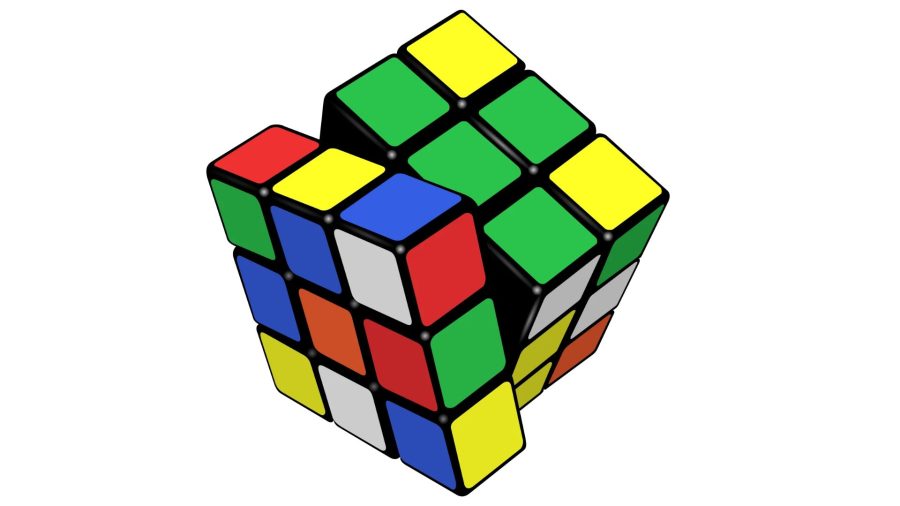

A crossword clue, a half-finished jigsaw or a Sudoku grid can turn a quiet afternoon into a small mental challenge. Each requires us to notice patterns, recall information, test possibilities, and work through uncertainty. But can these familiar pastimes do more than keep boredom at bay? Could puzzles help keep the brain healthy as we age?
The answer is encouraging, although more complicated than it may seem.
Puzzles engage several mental skills. Crosswords draw on vocabulary, language and memory, while Sudoku requires logical reasoning and pattern recognition. Jigsaw puzzles involve visual processing, spatial awareness and problem-solving. Working through a difficult puzzle also demands sustained attention, giving the mind a focused task away from the distractions of daily life.

Research suggests that mentally stimulating activities can support certain aspects of cognitive health. Becoming better at solving crosswords does not necessarily mean that memory, concentration and reasoning will all improve in everyday life. Nor is there conclusive evidence that regularly completing puzzles can prevent Alzheimer’s disease or other forms of dementia.



Still, puzzles can be a worthwhile addition to an active lifestyle. They offer an accessible way to learn, practise problem-solving and enjoy a sense of achievement. Solving them with friends or family can also create opportunities for conversation and social connection.
The best approach is to choose puzzles that are enjoyable but offer a reasonable challenge. Someone who enjoys word games might try crosswords, while others may prefer jigsaws, chess or number puzzles. Trying unfamiliar activities can provide a fresh challenge rather than repeating the same task indefinitely.


There is no need to turn leisure into another competition or measure success by speed. Taking a break when frustration sets in is part of the process. Keeping the brain healthy involves more than puzzles. Regular physical activity, adequate sleep, social engagement and managing conditions such as high blood pressure also matter.

A puzzle will not guarantee a sharper mind in old age. But as a simple, inexpensive way to stay mentally engaged, it offers a satisfying reason to put down the phone and give the brain something interesting to work on.