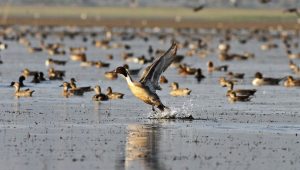



The morning begins with movement in the mangroves. A spotted deer steps out from behind the keora trees, pauses at the edge of the forest and disappears into the tall grass. Beyond the trees, fishing boats move through narrow waterways, while flocks of birds gather over the mudflats. The air carries the smell of saltwater, damp earth and the sea.
On Nijhum Dwip, winter brings a different kind of escape. Far from the noise of Bangladesh’s busy cities, this remote island in the Meghna estuary offers travellers a rare combination of mangrove forests, open beaches, wildlife and quiet coastal life.

Located in Hatiya upazila of Noakhali, Nijhum Dwip is a cluster of islands formed by sediment carried through the Meghna estuary. Its name, meaning ‘Silent Island’, captures much of its appeal. The landscape is shaped by tidal waterways, mudflats, grasslands and coastal forests, where keora trees dominate the greenery.
Winter, particularly from November to February, is among the best times to visit. The weather is relatively cool, river conditions are generally more favourable, and migratory birds arrive at the island’s wetlands. The spotted deer remain one of its biggest attractions. Introduced by the Forest Department in the 1970s, the deer population gradually established itself in the island’s mangrove habitat. Nijhum Dwip was declared a national park in 2001.

For travellers starting from Dhaka, the journey itself is an adventure. One popular option is to take an overnight launch from Sadarghat to Tamaruddin in Hatiya. From there, local transport takes visitors towards the crossing to Nijhum Dwip, followed by another short boat journey to the island. Alternatively, travellers can take a bus to Sonapur in Noakhali, continue to Chairman Ghat and cross to Hatiya before arranging onward transport.
Boat schedules, ferry crossings and travel times depend on tides, weather and local operating conditions, so checking arrangements before departure is essential. Allow at least two to three days for the trip, including travel.

Once on the island, Namar Bazar is a convenient base for exploring the surroundings. Its beach is a favourite spot for watching the sunrise and sunset, while the nearby fishing settlements offer glimpses of everyday coastal life. Visitors can watch fishermen mend their nets, prepare boats and bring in their catches.

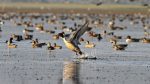


A boat trip through Chowdhury Khal and towards Kobirajer Char is among the most rewarding experiences. These forested waterways and surrounding mudflats offer opportunities to spot deer, waterbirds and other wildlife. Early morning and late afternoon are generally better for wildlife watching. A local guide can help visitors navigate the channels and identify suitable places to observe animals without disturbing them.
For those seeking a closer connection with the island, camping can make the experience even more memorable. Spending an evening near the coast, watching the last light fade over the estuary and waking up to the sound of birds offers a different way to experience Nijhum Dwip.


However, camping should only be arranged with local guidance and permission, preferably in designated or safe areas away from mangroves, wildlife habitats and tidal zones. Visitors should check weather and tide conditions beforehand and avoid lighting fires or leaving waste behind.

The island also rewards those who prefer a slower pace. Walk along the beach, explore the mangrove edges, watch the changing colours of the estuary or spend an evening under a sky largely untouched by city lights. Birdwatchers should carry binoculars, while photographers will find plenty of opportunities in the early morning light.
Accommodation around Namar Bazar includes basic hotels, cottages and resort-style options, but facilities remain limited compared with mainstream tourist destinations. Electricity may depend on solar power or generators, and mobile connectivity can be unreliable.
Visitors should carry enough cash, essential medicines, drinking water, warm clothing and a power bank. Booking accommodation and arranging boat transport in advance is advisable during the winter holiday season.
Nijhum Dwip is also an ecologically sensitive landscape. Visitors should maintain a safe distance from deer and birds, avoid loud noises, never feed wildlife and take their waste back rather than leaving it on the beach or in the forest.
There are no grand resorts or elaborate attractions waiting here. Instead, Nijhum Dwip offers something increasingly difficult to find: a chance to experience nature at its own pace. Sometimes, the most memorable part of a journey is simply watching the sun disappear behind the water as the island settles into another quiet evening.