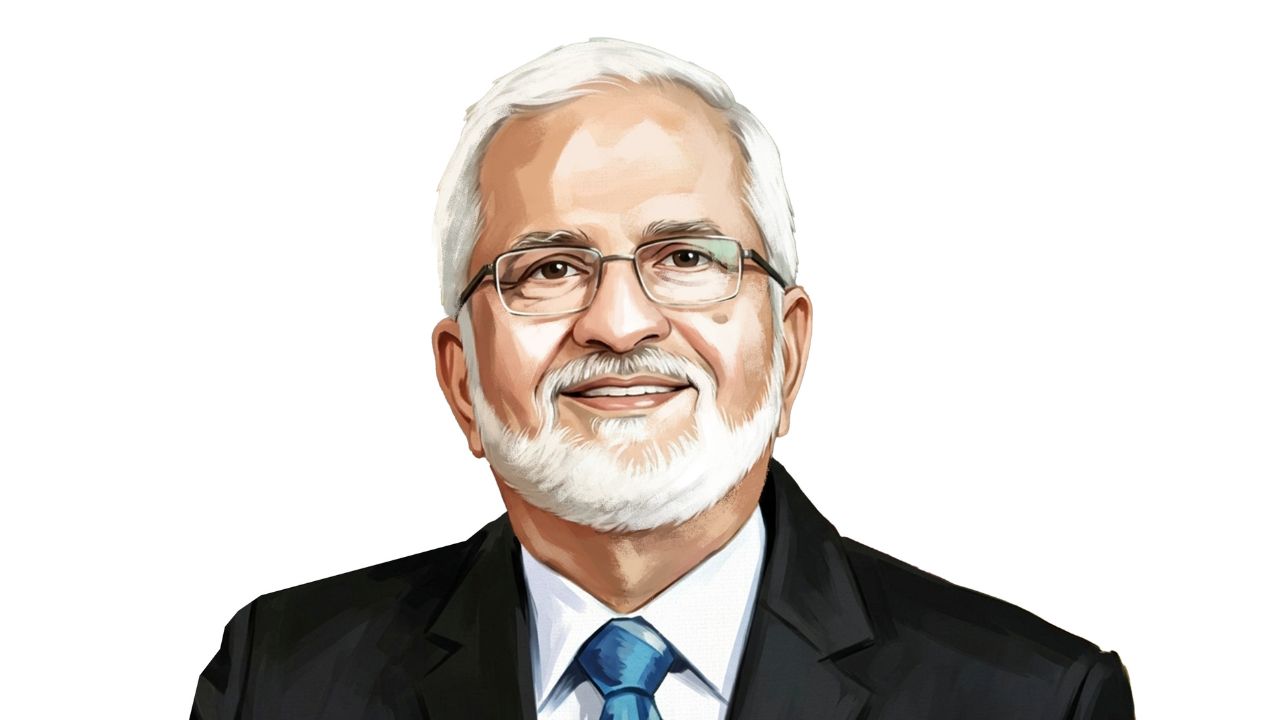



Bangladesh needs an urgent overhaul of its LNG infrastructure, domestic gas consumption policy and industrial pricing system to prevent future energy crises, BSRM Group Chairman Alihussain Akberali said.
In an interview with TIMES of Bangladesh’s Md Shahadat Hossain Chowdhury, the steel pioneer proposed a four-point strategy that includes expanding regasification capacity through sovereign-backed financing, shifting domestic consumers from piped gas to LPG, securing immediate LNG supplies from the spot market and introducing a market-linked gas pricing mechanism for industries.
He said the government should first assess whether the country’s existing regasification capacity is sufficient to meet demand over the next decade.
“If the capacity is not enough to meet our country’s demand in the next 10 years, rush and on war footing have a most friendly tender invited either of floating or land-based gasification plant on turnkey basis,” he said.
Akberali suggested financing new regasification facilities through bonds that could be repaid from revenue generated by the plants over 10 to 15 years.

“Bangladesh government can issue a sukuk for this specific investment,” he said, adding that sovereign bonds would allow general investors to participate while reducing pressure on public finances.
He also suggested involving international development partners in the financing arrangement.
“Of course some portion of the bond will have to be given to IFC, ADB, World Bank, etc,” he said, referring to the International Finance Corporation, Asian Development Bank and World Bank.




To reduce pressure on the national gas network, Akberali proposed shifting domestic consumers from piped gas to LPG.
“The government should give a notice to all domestic gas consumers to shift to LPG within say one year with central LPG system installed in all buildings,” he said.
He suggested a five-year tax holiday to encourage LPG adoption, while calling for an assessment of the additional burden on households. If LPG remains significantly more expensive, the government could consider temporary subsidies for up to five years, he said.
Akberali also urged the government to immediately purchase LNG from the spot market while waiting for US LNG supplies to begin arriving.
“Government should immediately purchase LNG from spot market while waiting for the US costly LNG starts coming into the country. Frantic efforts are needed in this,” he said.
He suggested seeking support from friendly countries during the crisis period.
“I am sure we have friends who can have this matter solved. We can speak to India for helping us in this crisis period,” he said.
For industries, Akberali proposed changing the current gas pricing system to reflect international LNG prices.
“In today’s market scenario, industries will be willing to pay higher gas expenses which should be reduced immediately LNG prices are reduced,” he said.
Rather than maintaining fixed industrial gas prices, he suggested that the government provide targeted subsidies while allowing the remaining price to move with global market conditions.
Akberali said his proposals were not expert recommendations but practical suggestions from an industrialist concerned about the country’s energy security.
“As a layman above suggestions could be studied. I am not an expert but I feel some pragmatic decision should be taken immediately before we graduate to developing economy,” he said.