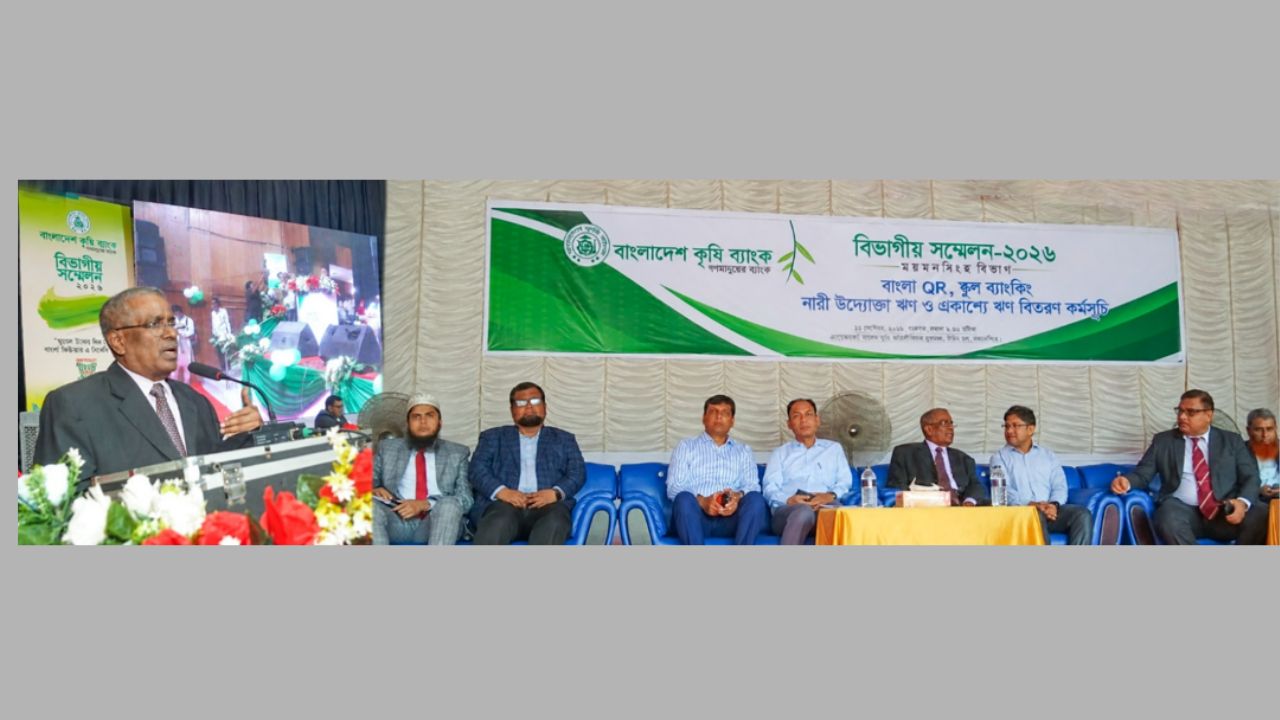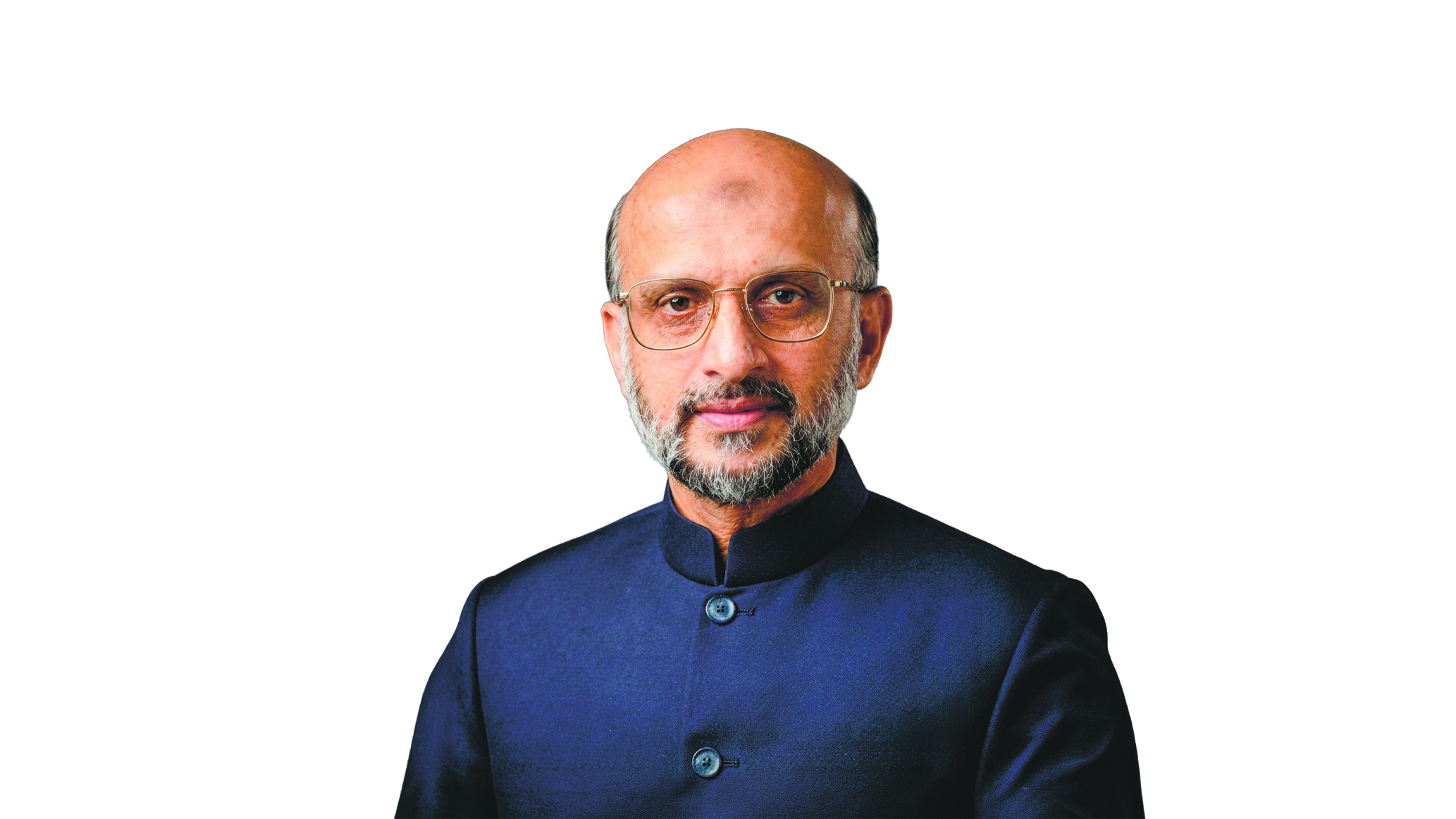

Al-Arafah Islami Bank can overcome its latest governance challenge and repeat the turnaround it achieved nearly two decades ago, newly elected Chairman Badiur Rahman said, citing the bank’s earlier recovery under his leadership and expressing confidence in its restored board.
Rahman returned to lead the bank after Bangladesh Bank reconstituted its board, bringing back several founding sponsor directors following a review of the lender’s governance and financial condition.
Drawing parallels with the crisis he faced in 2008, he said the bank had again been entrusted to a board expected to restore confidence.
“When I first became chairman in 2008, Bangladesh Bank had appointed an observer at Al-Arafah Islami Bank. We overcame that difficult period and took the bank towards prosperity. Today, another observer has been appointed and I have once again been entrusted with this responsibility.”
“With the cooperation of all concerned, I believe Al-Arafah Islami Bank can repeat its earlier turnaround.”
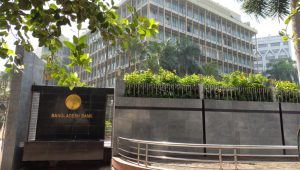
Bangladesh Bank dissolved the bank’s previous board nearly two years ago amid concerns over the involvement of S Alam Group in the banking sector and appointed five independent directors to oversee the lender.

Following regulatory reviews and audits, the central bank restored sponsor representation by appointing a new board that includes several founding directors.
Bangladesh Bank said the decision reflected the bank’s improved condition.
“The situation at Al-Arafah Islami Bank is different from the other banks whose boards were dissolved,” its chairman echoed the central bank.
Badiur Rahman said the experience of the bank’s earlier recovery provides a practical roadmap for the current leadership.


The bank struggled during its early years and faced a sharp deterioration in asset quality in 2007, prompting Bangladesh Bank to appoint an observer. Sponsor directors subsequently elected Rahman as chairman to lead the restructuring effort, while Abdus Samad Sheikh served as managing director during the initial recovery phase.
Ekramul Hoque and later Md Habibur Rahman also served as managing directors during Rahman’s tenure.
During Rahman’s eight years as chairman between 2008 and 2016, deposits expanded from Tk2,969 crore to Tk19,970 crore, while investments increased from Tk2,972 crore to Tk19,651 crore.
Import business grew from Tk3,268 crore to Tk11,878 crore and exports rose from Tk2,017 crore to Tk8,815 crore. The branch network also expanded from 50 to 140.
Profit growth recovered from negative 22 per cent in 2007 to positive 13 per cent in 2009, peaked at 34 per cent in 2011 and stood at 18 per cent by the end of Rahman’s tenure.
Rahman attributed the turnaround to disciplined governance rather than any single individual.
“No institution can recover through one person alone. Good governance, professional management and collective commitment were the foundations of our earlier success, and those principles remain equally important today.”
The newly reconstituted board includes several founding sponsor directors, while former chairman Salim Rahman has been appointed chairman of the executive committee.
Addressing questions over the bank’s past links with S Alam Group, Rahman maintained that governance at Al-Arafah had historically been based on collective decision-making.
S Alam Group men joined the banking sector as one of Al-Arafah’s sponsor directors, but the board “was never controlled by a single individual or group, because different sponsor groups remained represented throughout its history.”
Abdus Samad Labu, who later held a leadership role, has not returned to the new board.
Badiur Rahman said his immediate priority is restoring confidence among customers, shareholders and regulators while ensuring the bank maintains sound governance.
“Our responsibility now is to justify the confidence placed in us. If we remain disciplined and work together, I am confident the bank will regain its momentum once again.”