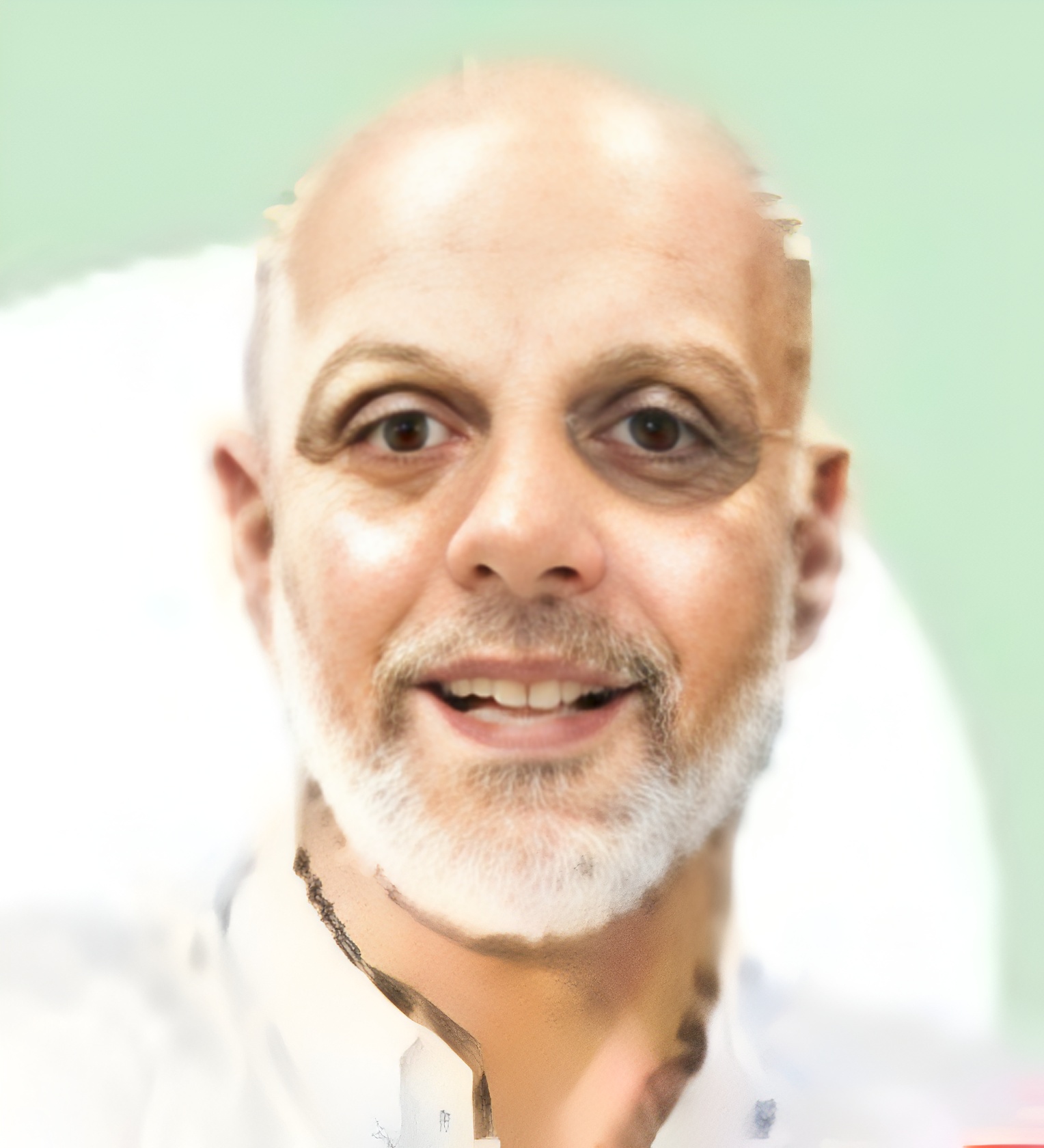
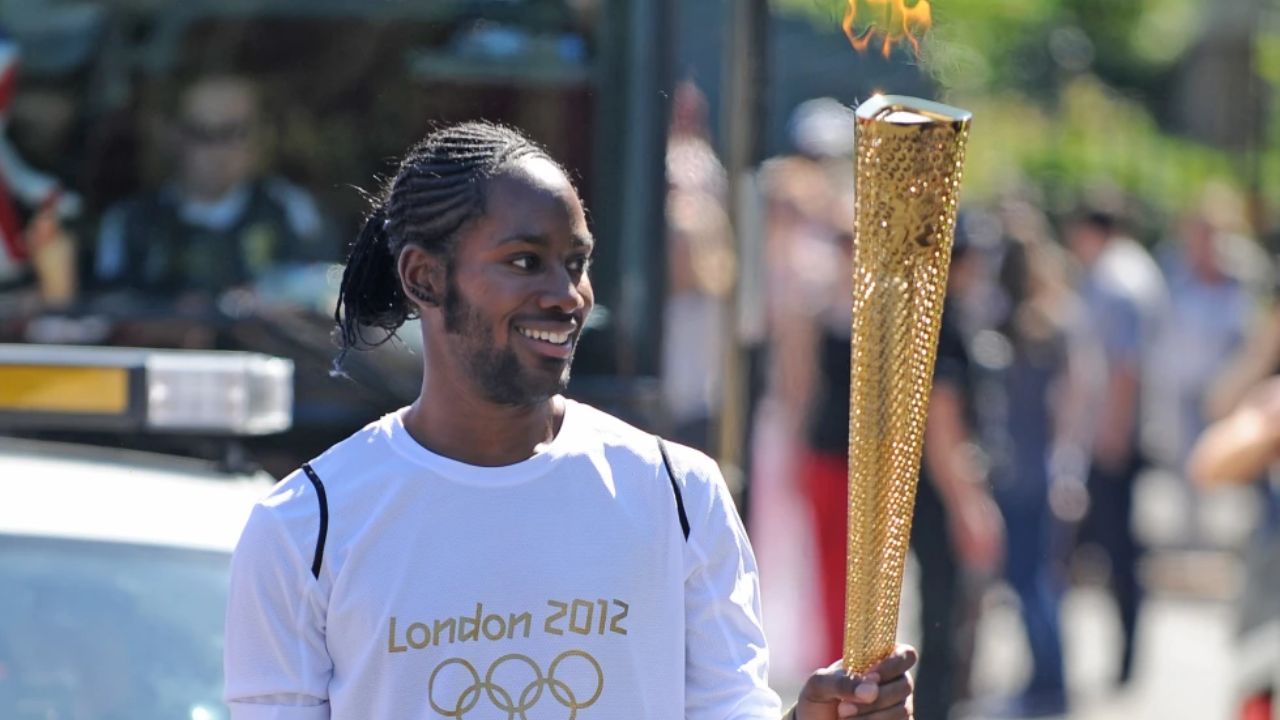



The former Cambridge University academic, who was in the eye of the storm over allegations of plagiarism, has been found dead in what the police are treating as a suicide.
For those who follow international news, and especially BBC, are aware of the brouhaha whipped up by the allegations that the 41-year-old professor at Cambridge had taken parts of other people’s work and used them in his own.
Plagiarism of course is a crime and when an academic is accused of it, the enormity of the misdeed multiplies because in simple language, society expects a teacher to be impeccable in his/her records and activities.
But teachers, whatever the country, whatever the institution, are also human and, sometimes, they do make mistakes just like many of us.
Unfortunately, in a voyeuristic frenzy, the British society was not willing to accept the transgression by Arday, who was also autistic as a child.
For the last one month, there has been a ruthless, relentless witch hunt against Arday, vilifying, demonising and trivialising everything that he stood for.
The common understanding: a person teaching at one of the most eminent UK universities has to be beyond criticism but then, he cannot be super-human can he?

It’s not that he is the only academic at Cambridge who had committed a mistake, there may be many others who may have secret demons that they have successfully hidden.
What is devastating is that in the end, it’s Jason Arday, who had overcome so many personal limitations to come this far, had to end up dead.
I have seen several of the talk shows on the alleged plagiarism and was shocked to see that in each and every one, Arday was portrayed as a stain on Cambridge University.
It was as if the prestigious institution has been totally tarnished by this one event.




Arday, in the face of flak, had said earlier that he may have committed some errors and, the matter should have been left then and there.
There was no need to continuously denigrate him.
The consequence is before us: Arday has been found dead, possibly unable to endure the onslaught of social opprobrium.
While this has stunned and shocked Britain and the world, it also exposes the deeply judgmental attitude that has become a norm.
People make mistakes, they rectify and then are given a second chance but in the case of Jason Arday there was not talk about giving the man a second chance to redeem himself.
Society was hell bent to drive him to his death to protect the image of an institution.
Does this death take away the perceived stain from Cambridge?
Well, this only shows how virulent and cruel society can be in treating someone who has committed an error.
The paradox is that, while each and every one of us go on living with one vice or the other, in the case of Jason Arday, society swiftly took a moral high ground, pointing a condescending finger at the beleaguered academic.
One cannot but feel that the whole witch hunt was fuelled by a latent feeling of envy at Arday’s success at a young age.
After Arday resigned from his post at Cambridge and decided to isolate himself, the criticism only multiplied as time and again the reputation of Cambridge was brought forward.
Where does that image stand now?
From what we see, an academic made a mistake and he was hounded to his death!
Cambridge may issue a general condolence, regret the death and then, in usual platitudes uphold the core principle of the university to maintain the highest level of academic integrity.
Amidst all those hollow lines, the inner demons of individuals and the need to take a considerate approach to tackle fallible human nature will be lost.
Arday made a mistake, society did not allow him a second chance and went on harping about the glory of a university.
Now that he is dead, the halo of the institution is no longer there because it stands along with society, not as a seat of learning and an edifice of liberal outlook, but as entities which viciously pulled down a human for very human flaws.