
India’s Directorate General of Civil Aviation (DGCA) has directed Air India to inspect the emergency power system on certain Boeing 787 Dreamliners after the system unexpectedly activated during a flight earlier this month.
The incident, which took place on October 4, involved a flight from Amritsar to Birmingham in the UK, where the aircraft’s Ram Air Turbine (RAT) deployed during the flight. Despite the uncommanded deployment, the aircraft landed safely without any reported abnormalities, reports Reuters.
In addition to the inspection order, the DGCA has requested Boeing to submit a detailed report on preventive measures to avoid similar incidents. The regulator also asked the US planemaker to provide insights into any other uncommanded RAT activations on 787s globally.
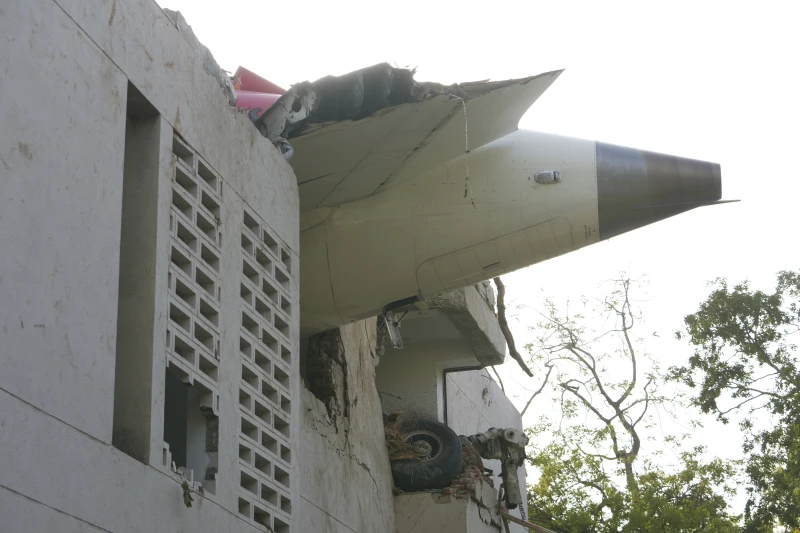
This scrutiny follows a similar incident on June 12, when a RAT deployment occurred just before the fatal crash of an Air India 787 that killed 260 people. Indian investigators have linked the crash to the simultaneous flipping of the plane’s fuel engine switches, although no connection has been made between this incident and the October 4 flight at this stage.
The DGCA has further instructed Air India to reinspect the RAT system on aircraft that recently had their power distribution systems replaced, though it remains unclear how many aircraft are affected. The Federation of Indian Pilots has raised concerns, urging India’s Civil Aviation Minister, Ram Mohan Naidu, to ground all Air India 787s and inspect their electrical systems. As of now, neither Boeing, Air India, nor the Aircraft Accident Investigation Bureau (AAIB) have commented on the ongoing investigation.