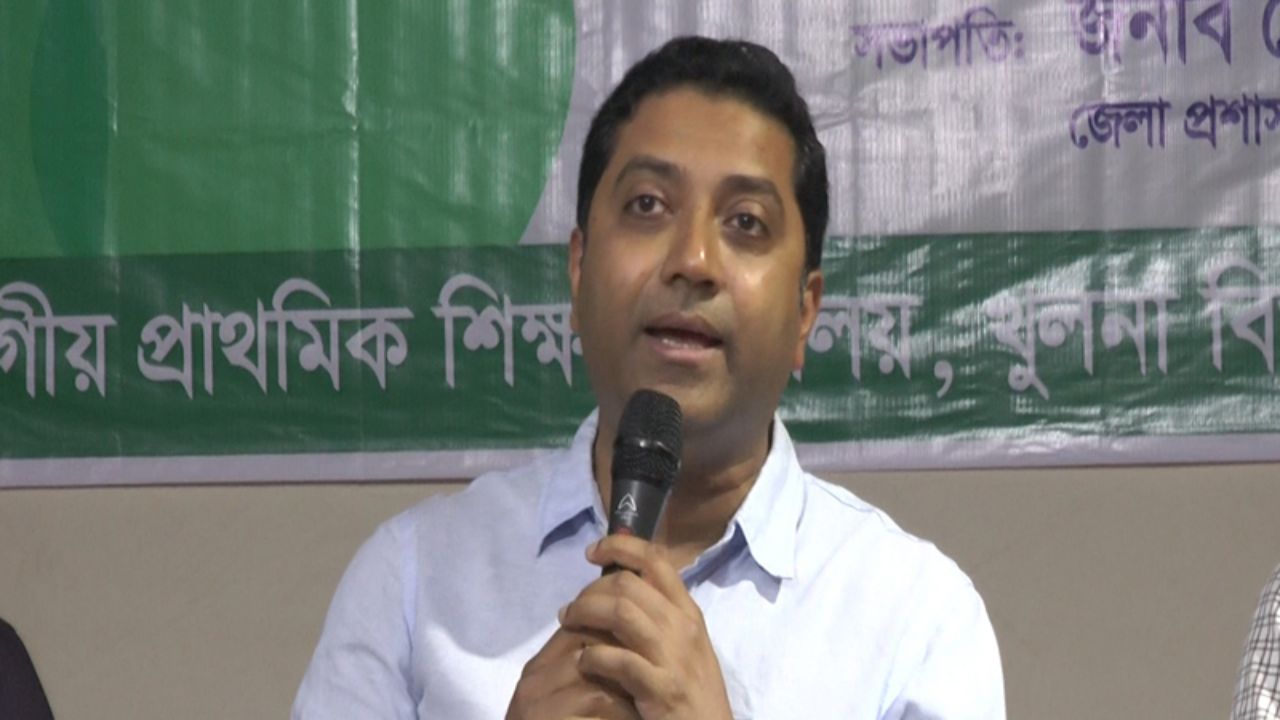
Bangladesh Nationalist Party (BNP) acting chairman Tarique Rahman has reaffirmed that every girl in Bangladesh has the right to dream, learn, lead, and live with dignity.
In a message marking the International Day of the Girl Child on Saturday, Rahman emphasised the importance of empowering women as both a policy and a deeply personal commitment.
“As a father of a daughter, I know that empowering girls is not just about policy – it is a deeply personal goal,” said Rahman. “We must provide every girl in Bangladesh with the same freedom, opportunities, and security that every parent desires for their child.”
Rahman reflected on BNP’s previous tenure, stating that the party played a key role in improving the lives of the people of Bangladesh. “When BNP was in power, we made a tangible impact on the lives of the people. If we are given another chance, we are committed to doing even more.”

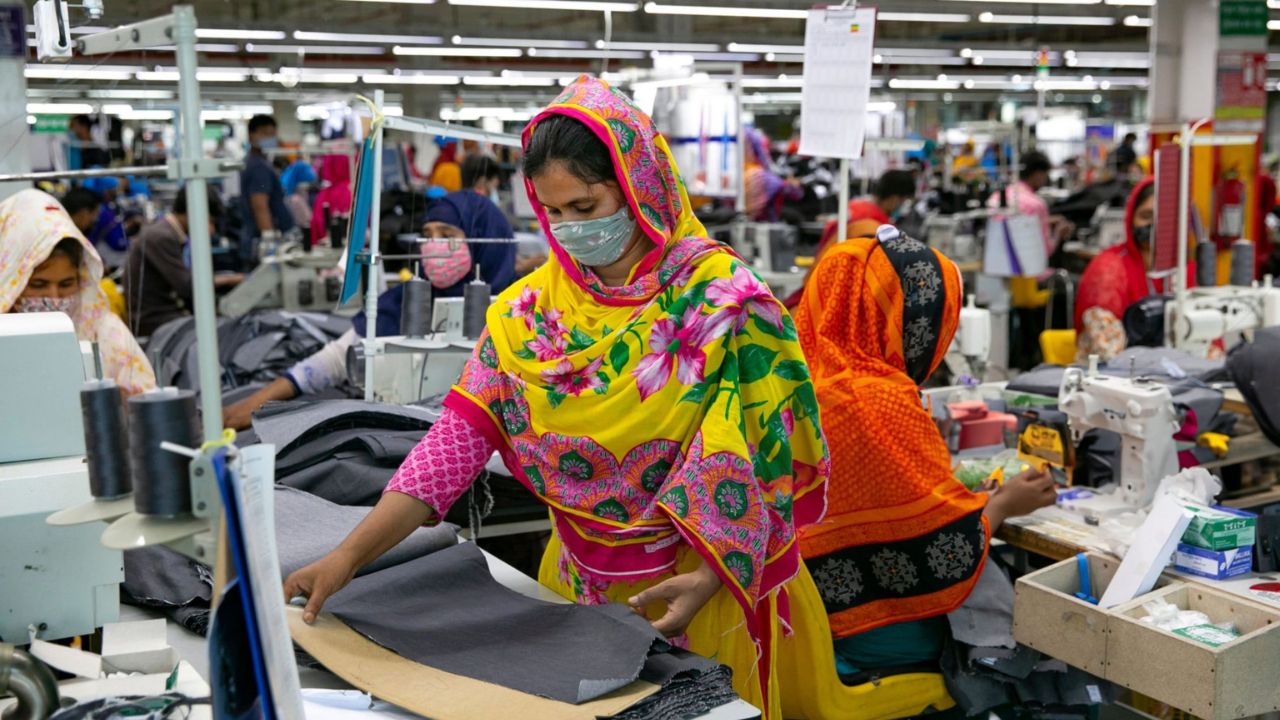
He highlighted the contributions of BNP’s founder, martyred president Ziaur Rahman, in establishing the garment industry not just as a sector but as a potential that provided millions of women with respect, independence, and income.
Under his leadership, the Ministry of Women and Children Affairs was established to work towards the advancement of women’s lives in Bangladesh.


Rahman further praised the leadership of prime minister Khaleda Zia, who made education a right for girls, not just a privilege. “Under her leadership, education was declared free up to the 10th grade, and initiatives like ‘Food for Education, Cash for Education’ helped millions of girls remain in school.
The Female Secondary School Assistance Project, under her patronage, successfully ensured gender parity in education and became a global model,” he said.
Rahman assured that BNP’s future policies will be dedicated to the protection and development of girls.
He revealed plans to introduce family cards in women’s names to ensure direct assistance reaches women as the core pillar of their families, alongside providing SME loans, business training, and financial support.
The policy also aims to expand educational and professional opportunities for women to empower them to shape their future, increase women’s participation in politics, governance, and policymaking, and ensure the safety, independence, and dignity of girls.
“We are not just making promises,” said Rahman. “Our future policy is backed by our belief, history, and purpose. We commit that the state will be a partner, not an obstacle, in helping every girl achieve her dreams.”