
According to the latest Economic Census, 44% of the country’s total economic establishments are concentrated in the Dhaka and Chattogram divisions, said Policy Exchange Bangladesh Chairman M Masrur Riaz.
He also mentioned that the remaining six divisions together account for the remaining 56%.
He shared this information at a seminar titled “Can Bangladesh Achieve Development Without Decentralisation?” held at the Policy Research Institute in the capital on Thursday morning.

In his view, this trend is exacerbating regional disparities and threatening the country’s long-term growth.
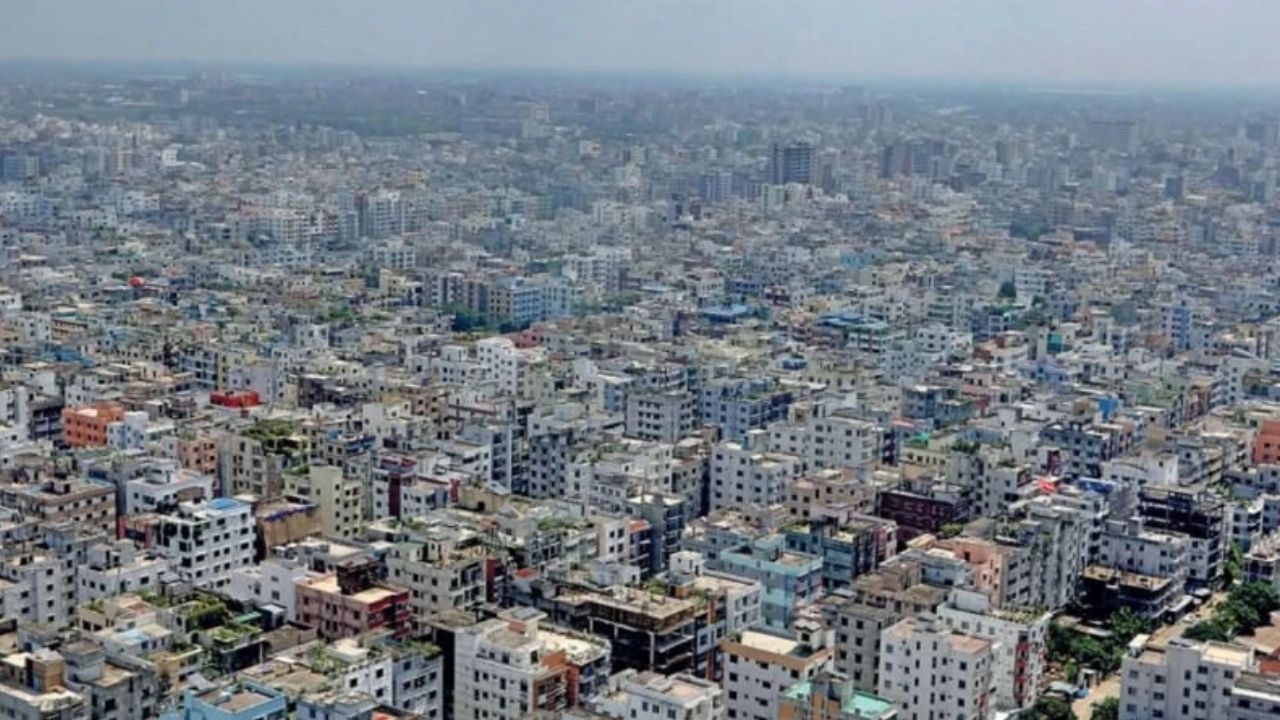
Masrur Riaz stated that this one-sided concentration of the economy is putting immense pressure on Dhaka. The capital city loses approximately 8 million work hours annually due to traffic congestion, resulting in a financial loss of about $4 billion.




Overall, due to Dhaka-centric inefficiencies, the country is losing nearly 6% of its GDP.
If people do not find employment and quality services at the local level, no matter how much Dhaka’s infrastructure is developed, it will become inefficient again within a few years, he said.
According to the information provided by Masrur Riaz, the rate of employment generation is also declining. In 2023, only 500,000 new jobs were created in the country, the lowest in the past two decades.
Women’s labour force participation has also decreased to 40%. Consequently, without strengthening local governments economically, the employment crisis will deepen further, he added.
There is also disparity in budget allocation. Only about 6.5% of the national budget goes to local governments. In contrast, neighbouring countries have introduced municipal bonds to allow local governments to increase their own revenue. He noted that such initiatives are still absent in Bangladesh.
In his opinion, without decentralisation, regional disparities will not be eliminated, good governance will not be established, and the economy will not be sustainable.