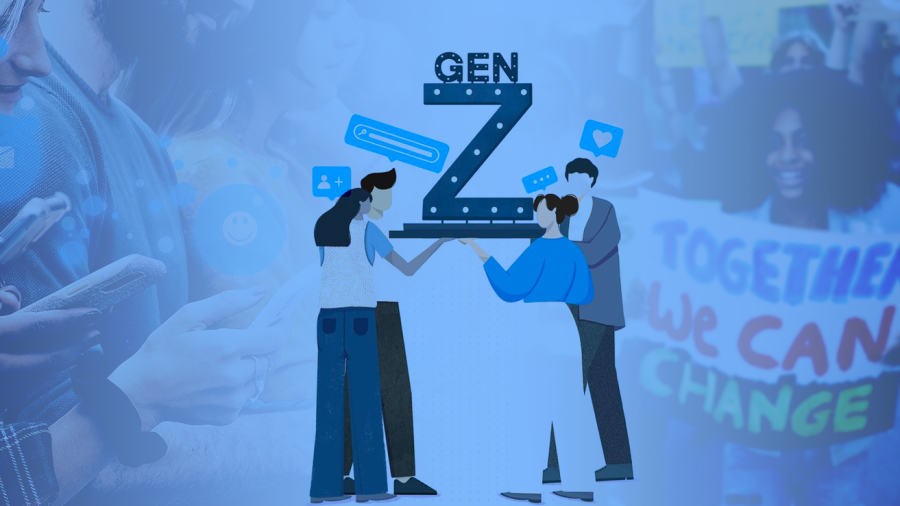



Across the globe, there is a new wave of youth protesting politics. From South Asia to Africa, Europe and Latin America, youth are increasingly protesting due to issues such as corruption, unemployment, inequality, political oppression and the feeling that their government isn’t listening to them. Although each movement has different goals, they all share the question of whether governments are not listening to the ambitions of the youth or if politics is failing to keep up with the fast-paced world. This can be attributed to a range of factors.
In 2024, Bangladesh had an uprising due to quotas in public sector jobs, turning into a nationwide protest against the government. In 2025, Nepal had an uprising after a social media ban increased frustrations with corruption. In Indonesia, there were protests due to benefits for lawmakers. In Madagascar, youth protested due to poor public services. Morocco saw a rise in Gen Z protests due to unemployment and poor healthcare and education. In Serbia, there was a student-led protest after a disaster at a railway station killed 16 people. In India, there was a rise in youth protests with the ‘Cockroach Janata Party’, which started as an online joke but became a larger protest due to leaked exam papers. This resulted in demands for accountability, with the education minister resigning in July. Since then, there have been protests regarding changes to the electoral roll, causing concerns about transparency. The government and electoral commission deny any political manipulation. This shows how frustrated youth in India are with the unfairness of exams, employment and democracy.
Many young people feel that their education doesn’t guarantee a job, financial independence and progression. People struggle to get good jobs after finishing university; housing costs have risen, making it unaffordable and basic services aren’t great. Often, growth in the economy seems to benefit the rich. This can be very damaging for countries with large youth populations. They are told to go to university, gain skills and work hard, but then often realise that opportunities may be available if you are from a wealthy family. This causes frustration for youth.
Corruption increases frustration. Seeing politicians living a luxurious lifestyle whilst the general public suffers with poor hospitals, unpredictable electricity, poor transport and high education costs makes people feel that positions in the public eye are for personal gain. Corruption isn’t just stealing from the public purse for Gen Z; it means that opportunities aren’t fairly distributed.

Many governments seem out of touch with the youth of today. Gen Z have instant access to information, can compare how different countries are doing and can analyse statements made by officials through social media. Young people can organise protests, record any wrongdoing and challenge previous ideas. This has caused a divide between governments that rely heavily on controlling the media and youth wanting transparency. Social media has helped protests spread quickly but can cause misinformation, manipulation and polarisation online.
However, just because they are familiar with technology, doesn’t mean they will be better at politics. Running a government takes knowledge of institutions, managing the economy and negotiating. Just like older generations, youth can often misunderstand complex problems and not realise the impact of their solutions. The key thing is whether they are responsive. If experienced leaders are listening and adapting, they can run a government well. However, if younger leaders become unresponsive and selfish, they won’t be able to.




Ultimately, the real issue is that some politicians are using their experience as an excuse to not change. If governments don’t take youth seriously and see their anger as childish, this can cause small issues to become national crises. The anger isn’t just from economic issues. If youth are asking for change peacefully and are facing censorship, intimidation, arrest and excessive force, this will cause anger. Repression can make small protests turn into bigger issues as the public feels like they aren’t being listened to.
If elections aren’t credible, public institutions seem biased, and corruption investigations aren’t resulting in accountability, there is no point in trying to make changes through traditional routes. Often, youth have practical demands, but this increasingly leads to questions about democracy and leadership. Simply replacing governments won’t change the political system. As seen in Bangladesh and Nepal, mass protests can result in the removal of established leaders, but the real hard work of changing institutions won’t happen. Youth movements need to move from protest to get involved in politics, creating policies and holding people accountable.
Governments that have come to power through popular uprisings need to actually make changes to improve employment, education, healthcare and integrity, or people will become disappointed and cause further issues.
Overall, the rise of Gen Z is a warning to governments worldwide. Youth want working institutions, fair opportunities, public money for the public and leaders that take accountability. This shouldn’t be seen as a dreamy idea. Not every protest will have clear plans and demands, but it is even more dangerous to ignore their valid concerns.

If governments listen, make changes and create real opportunities, they may regain people’s trust. If they become arrogant, repressive and make unrealistic promises, they will lose the trust of youth and ultimately lose their legitimacy.
The views expressed in this article are solely those of the author
The writer is the Editor and CEO of News Network