


In Bangladesh, women spend years being told to study hard, get a degree, and build a career. But after marriage and childbirth, the expectations can suddenly change. The question is no longer what they want to do with their lives, but who will look after their children.
Afsana, in her late 20s, married the man she had known since Grade 7. She loved her job and continued working throughout her pregnancy. Having once doubted her own abilities, she had worked her way up to becoming a senior HR professional at a renowned company in Bangladesh.
After giving birth, however, even a mild fever became a reason to question her decision to work. One day, she returned home to find her son unwell while her mother was taking care of him. Afsana was already unwell herself when her in-laws called and questioned how she could be working while her child was sick. They made her feel that she was failing to take care of their family’s son and heir.
“My child is sick, and I am not even there to take care of him properly. Maybe my in-laws are right, and I should be staying home with my child instead of working,” she thought.

The guilt and constant remarks eventually became too much, and she left the job she loved.
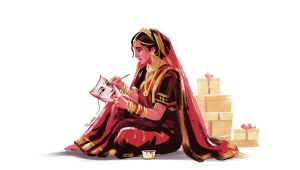
Moushumi, a BBA graduate from United International University, faced a different version of the same situation. She had always wanted to work and continued receiving job offers during her marriage. When she first met her husband’s family, she was told that she could continue her career. After becoming a mother, however, that promise changed. Her in-laws decided that she should stop working and focus on raising her child.




Moushumi was happy to become a mother. What hurt was that after years of working towards her own future, she was being told that she could no longer choose what that future would look like. While speaking to her own mother about the decision, she said, “I think this was my fate. I worked towards building a career, but now that I have a child, it feels like I have to give it all up and accept what my family has decided for me.”
Her mother was equally upset but could do little to change the situation. Moushumi was left to accept a decision she had not wanted for herself.
Becoming a mother is one of the most special experiences in a woman’s life, but the postpartum period can bring physical changes, emotional difficulties, and, in many cases, postpartum depression. While women are already going through so much during this time, many working mothers face criticism over who takes care of their newborns.
There is still a belief that children need their mothers’ constant presence to grow up with the right values. When grandparents, housemaids, or daycare centres look after a child, the mother may be criticised for choosing to work. The same questions are not always asked of fathers who return to their jobs after having a child.
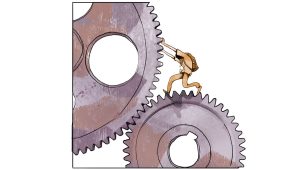
Women are encouraged to become educated and independent, but that independence can suddenly become negotiable once they become mothers.

A woman can love her child and still love her job. She can want to be present for her family without giving up everything she has built for herself. Financial independence does not make someone a less devoted mother.
Leaving a job may look like a choice from the outside. But most of us will never know how much pressure went into making that decision, or what it cost the woman who made it.
A woman should not have to give up the life she worked for to prove that she loves the life she has built.