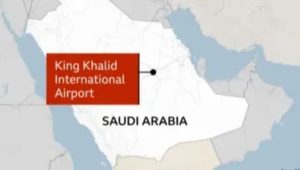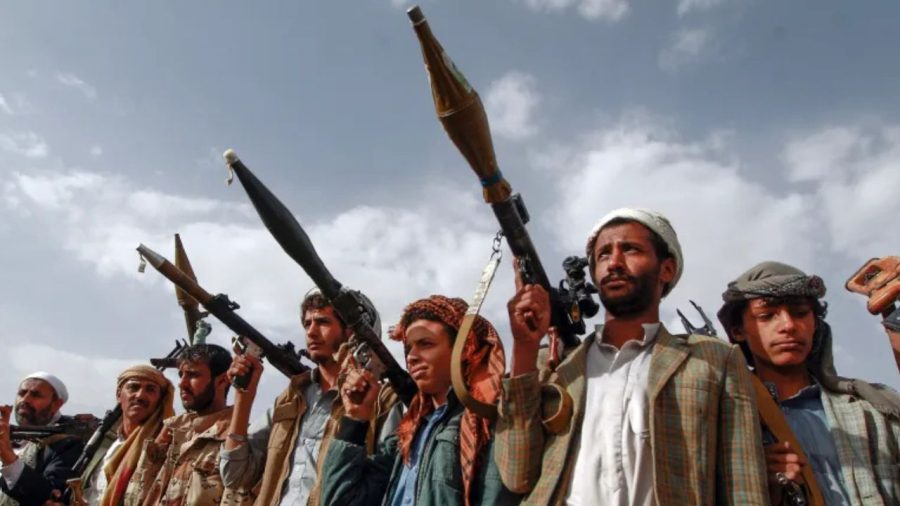



The Houthis on Sunday issued a warning to travellers and airlines against using Saudi airports following the deadly attack on Riyadh’s King Khalid International Airport.
The statement marked the group’s first public response since the assault, which killed 12 people and injured hundreds.
In a message posted on social media, Houthi military spokesman Yahya Saree said the warning did not apply to Mecca and Medina, Islam’s two holiest cities.

He said all other Saudi airports and airspace were potential targets and had become part of what he described as a military theatre of operations, reports The Guardian.
Saree urged travellers and airline operators to “take our warning seriously” and claimed that Saudi Arabia would bear responsibility for any failure to intercept incoming attacks.




The warning came as Saudi Arabia has reportedly sought additional missile defence systems and interceptors from the United States and other Western allies amid escalating hostilities.
Ending his statement, Saree said the Houthis would continue a policy of “airport for airport, siege for siege, and escalation for escalation” until the group achieved its objectives.
The latest threat follows a week of repeated Houthi strikes targeting Riyadh’s main airport, as Saudi-led coalition forces intensify military operations aimed at pushing the rebels back in Yemen.
The Saudi-led coalition, which supports Yemen’s internationally recognised government, recently launched a major offensive against the Houthis after the group made territorial gains in several areas in recent weeks.
Houthis have expanded their presence around the Bab al-Mandab Strait and along parts of the Red Sea coast. The group has taken control of islands in the strategic waterway and established positions overlooking one of the world’s most important maritime trade routes.
The Bab al-Mandab Strait has become increasingly significant as the Strait of Hormuz remains closed, forcing Saudi Arabia, one of the world’s largest oil exporters, to divert some of its exports through alternative routes linked to the Red Sea. The Houthis’ control of key positions in the area has heightened concerns over regional security and the safety of international shipping.