


Political vengeance, division, and attempts to eliminate political opponents have unfortunately become an integral part of our political culture. Often, we forget that lasting peace, political stability, and democratic progress can never be achieved through the exercise of power by one political group at the exclusion of others. On the contrary, such practices weaken state institutions, create mistrust and hostility within political parties and the society as a whole, and seriously undermine the prospects for sustainable national development. The sooner we can move away from this political culture, the better it will be for our country and its people.
The most important political question facing Bangladesh today is therefore whether we shall continue to remain entrapped in the politics of confrontation, revenge, and division, or whether we shall move towards a new political culture based on national reconciliation, mutual tolerance, and inclusive politics.
Many independent political analysts and experts are of the view that there is no alternative to national reconciliation and unity if we are genuinely committed to protecting the overall interests of the country and its people, ensuring political stability, strengthening and institutionalising democracy, and achieving sustainable development.
We all wish Prime Minister Tarique Rahman and his government success. At the same time, we expect that under his leadership Bangladesh will enter a new political phase in which dialogue replaces vengeance, inclusion replaces exclusion, and mutual respect and peaceful coexistence replace political hostility and mistrust.
Since October 2024, I have been advocating the necessity for a national reconciliation process and political unity through my articles, public statements, and discussions. My position has never been intended to serve the interests of any particular political party or individual. Instead, I was motivated by my concern for Bangladesh’s long-term democratic stability, national security, and the welfare of its people. Unfortunately, these expectations were not fulfilled during the tenure of the unelected interim government headed by Yunus. Initially, a few statements made by Yunus and his Law Adviser, who in the opinion of millions had developed a habit of making misleading, untrue and contradictory statements, appeared to suggest some willingness towards national reconciliation, unity and political accommodation. However, subsequent actions of the interim government were completely contrary to those expectations. They were rather driven by the widespread politically motivated and false cases, arrests, detention, denial of bail, restrictions on political activities, and extreme intolerance towards political opponents created serious obstacles to the establishment of an inclusive political environment. They even banned the activities of the former ruling party.
These allegations now require impartial investigation. Politically motivated actions must be investigated, reviewed, and the constitutional rights of citizens must be fully restored.
We must not forget that the responsibility of the state is not to eliminate any political party. Its fundamental responsibility is to ensure the political rights, security, and dignity of all citizens under the rule of law.
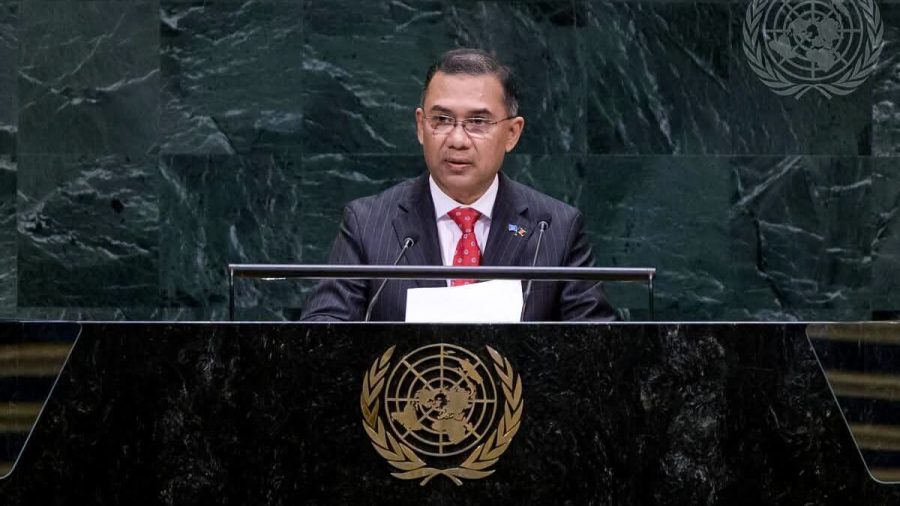
At the United Nations General Assembly last month, Prime Minister Tarique Rahman identified three important priorities for Bangladesh’s future: Recovery, Restoration, and Reconstruction. These three objectives are undoubtedly important and highly relevant to the present circumstances of Bangladesh.

Economic recovery, restoration of the effectiveness and credibility of state institutions, and reconstruction of damaged administrative and social structures are essential for the country’s future progress.
However, following the Prime Minister’s address, I observed in an interview that one more R should have been added to his three Rs: Reconciliation – National Reconciliation.
My reasoning was simple. Political stability and economic recovery cannot be sustainable without political reconciliation. Reconstruction of state institutions becomes extremely difficult without national consensus. Similarly, restoration and consolidation of democracy cannot succeed while political vengeance and attempts to eliminate political opponents continue. Our past political experience has repeatedly demonstrated this reality.
Interestingly, within just two weeks of my observation, the question of national unity and reconciliation began receiving attention within the government itself. This is certainly an encouraging development.
I strongly felt and feel that had the Prime Minister announced this fourth R at the United Nations General Assembly, it could have sent a powerful and positive message to the international community about Bangladesh’s democratic future. Such an initiative would also have earned him considerable appreciation and recognition as a statesman.




We have to agree that improving Bangladesh’s international image requires more than economic plans and promises of development. A clear commitment to political tolerance, human rights, the rule of law, and national unity is equally important. Nevertheless, even if somewhat belatedly, the fact that the present elected government may now be recognising the importance of national reconciliation should be welcomed by all political parties.
The success of a government depends considerably on the political wisdom and decision-making ability of its Prime Minister, as well as the quality of advice he receives from his advisers. Unfortunately, the political positions and public statements of several advisers to the Prime Minister have given the impression that they have been more inclined towards promoting political division than encouraging national unity. In particular, their strongly antagonistic attitudes towards India and the former ruling party appear, on several occasions, to have encouraged political decisions influenced more by hostility, emotion, and political hatred and prejudice than by a realistic assessment of national interests.
One point needs to be clearly understood by us all here. Criticism of the policies of another country or the past actions of a political party is entirely legitimate and, at times, necessary. However, such criticism should never become an obstacle to responsible bilateral diplomacy, the protection of national interests, or democratic coexistence within our own country.
At the same time, the Prime Minister must recognise a fundamental responsibility attached to his office. He is the Prime Minister of the entire country, not merely the leader of a political party. His responsibility extends beyond his own party members and supporters. He is equally responsible for protecting the constitutional rights, security, and dignity of those who oppose him politically. Therefore, the Prime Minister may wish to seriously reassess the role and effectiveness of advisers whose political views and recommendations encourage division rather than reconciliation, tolerance, and inclusive democracy. Where necessary, he may wish to consider replacing such advisers with individuals possessing greater political wisdom, moderation, maturity, and a genuine understanding of the country’s long-term national interests. Such an approach would enhance his standing as Prime Minister and help establish his image as a national leader and statesman rather than merely a party leader. This is important not only for his personal political success but also for the success of his government, the future of the BNP, and, above all, the long-term interests of Bangladesh.
National reconciliation cannot be achieved merely through political speeches, statements of goodwill, or occasional exchanges of courtesies between political leaders. It must be a carefully planned, institutionalised, and sustained national process. The initiative and leadership for such a process must come from the government.
As a first step, all political parties, irrespective of their ideological positions, should be invited by the government to participate in a national dialogue. Such a dialogue could address fundamental issues relating to political rights, the rule of law, human rights, mutual coexistence, and the basic principles necessary for a stable democratic political system.
On the basis of this dialogue, the government should consider establishing an independent and broadly acceptable National Reconciliation Commission. The Commission should include representatives of different political parties, constitutional experts, judges, academics, human rights advocates, members of civil society, and other respected individuals enjoying public confidence.
The responsibilities of the commission could include identifying the underlying causes of political conflicts, recommending mechanisms for impartial investigation and review of allegations of past human rights violations, addressing politically motivated and false cases and harassment, facilitating lawful access to bail for political detainees, and developing an acceptable framework for peaceful political coexistence.
However, one important principle must remain absolutely clear to us all. Reconciliation does not mean granting immunity for criminal offences. Rather, it must mean establishing truth, ensuring justice and accountability, rebuilding mutual trust, and creating the foundations for a more peaceful and democratic future.
Experiences from South Africa and several other countries have demonstrated that institutional dialogue and credible truth-seeking processes can play an important role in overcoming deep political and social divisions. Bangladesh should also make sincere efforts to develop its own reconciliation process, taking into consideration our history, political realities, constitutional framework, and national aspirations.
In an article published earlier this year, I warned that the growing tendency to ban, weaken, or exclude political parties from the democratic process could eventually create serious political consequences for the current ruling party BNP itself. The practice of suppressing political opponents following changes of government is unfortunately not new in Bangladesh. However, our political history has repeatedly shown that such practices have never guaranteed permanent political security for any party. A political party that enjoys power today may find itself in opposition tomorrow. Consequently, the precedents established today to restrict the political rights of opponents may eventually be used against those who are presently exercising power.
Protection of political pluralism is therefore not an act of generosity towards any particular political party. It is a fundamental requirement for the long-term survival, legitimacy, and security of every political party.
The Prime Minister may also wish to recall an important chapter of our political history.
His father, the valiant freedom fighter, founder of the BNP, and late President Ziaur Rahman, allowed political parties, including the anti-liberation Jamaat-e-Islami, to resume political activities following the assassination of Sheikh Mujibur Rahman in August 1975. As a political party that identifies itself with the spirit of our Liberation War and follows a moderate centre-right political philosophy, the BNP now has a historic opportunity before it. It can take the lead in establishing a new democratic political culture in Bangladesh where differences of opinion will continue to exist, political criticism may remain strong, and political competition may be intense, but there will be no attempts to eliminate political opponents. Such an approach would strengthen the BNP’s democratic credibility, improve its international image, and contribute significantly towards establishing a more stable political environment within the country. More importantly, it would demonstrate that the BNP is capable of placing the long-term national interest above short-term political considerations.
The political wisdom, maturity, and generosity demonstrated by our national leadership at this critical moment may determine the course of our democratic future for decades to come. Prime Minister Tarique Rahman has an opportunity to move beyond the long and unfortunate history of political revenge, confrontation, and division, and establish a new example of national reconciliation and inclusive democracy. Achieving this objective will require courageous political decisions, wise and responsible advice, sincere dialogue with all political stakeholders, and unconditional respect for the fundamental political rights of every citizen. If Reconciliation is added to the Prime Minister’s declared priorities of Recovery, Restoration, and Reconstruction, these four Rs could together provide a comprehensive framework for rebuilding the state, strengthening democracy, and ensuring sustainable national progress. We therefore sincerely hope that the Prime Minister will take an early initiative to convene a national dialogue and begin the process of establishing a National Reconciliation Commission with the participation of all political parties. We must acknowledge that history does not ultimately judge the success of a government by how effectively it has weakened or eliminated its political opponents. Rather, it judges a government by the extent to which it has succeeded in establishing peace, justice, democracy, political stability, and national unity.
What Bangladesh needs today is a decisive transition from the political culture of vengeance to the politics of reconciliation. We need unity, not division; inclusion, not exclusion; justice, not revenge.
The ruling party BNP must also believe that national reconciliation is not a sign of political weakness. It is the highest expression of visionary, confident, responsible, and mature statesmanship.
Long live Bangladesh.
The views expressed in this article are solely those of the author
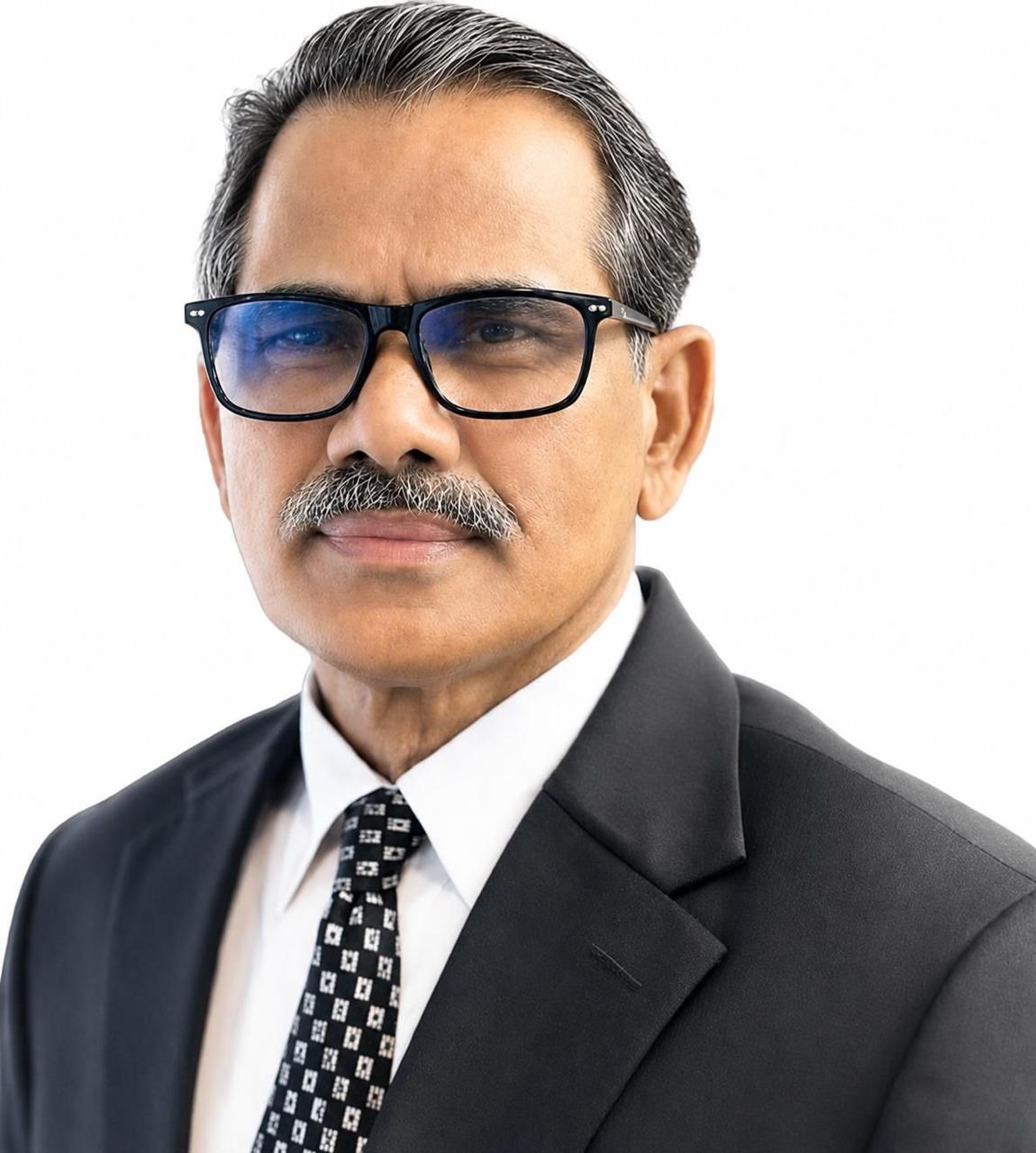
The writer is a former ambassador and foreign secretary