


Qatari mediators are pushing for a peace deal between the US and Iran, hoping to broker a breakthrough despite US President Donald Trump denying reports that he was willing to ease sanctions on Tehran.
Qatar said on Tuesday it was exchanging messages between the two sides and working to establish common ground for a deal that could end the conflict, reports Reuters.
“We are exchanging messages between the parties, and we’re working towards establishing a common ground in order to get into a deal that would save all of us from the repercussions of the conflict,” Qatari Foreign Ministry spokesperson Majed al-Ansari told reporters.
The US and Iran have so far failed to find a way out of their war, which has entered its eighth month. Diplomatic efforts intensified during last week’s United Nations General Assembly in New York, but the talks have yet to produce an agreement on reopening the Strait of Hormuz.
Doha has again emerged as a potential mediator after playing a supporting role in securing the June memorandum of understanding that led to a brief ceasefire. US and Iranian officials held separate talks with Qatari mediators on Monday, although it remained unclear whether another round of discussions took place on Tuesday.

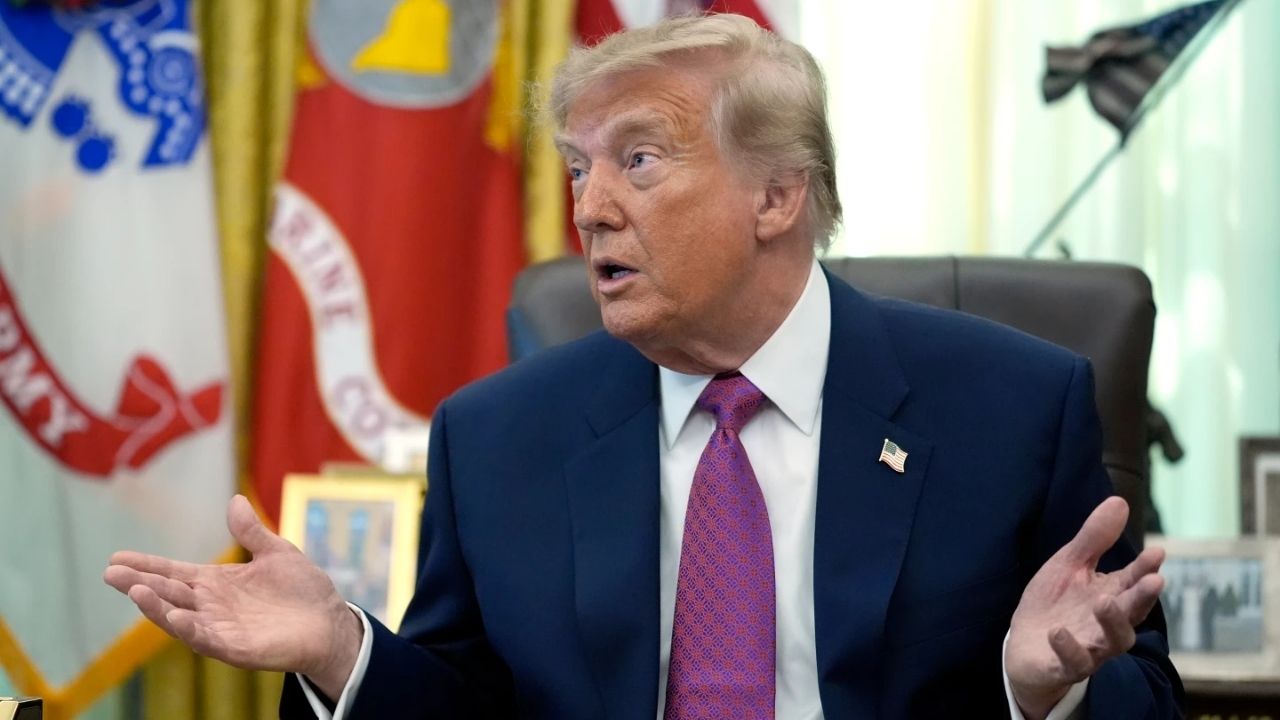
Trump reiterated that Iran must not acquire a nuclear weapon and said the war would end soon.
“I don’t know if they are going to give up yet but they’ll give up,” Trump told reporters on Tuesday.
“They are doing very poorly,” he added.
The conflict has weakened Iran’s conventional military capabilities and further damaged its struggling economy. Tehran, however, has responded with missile and drone attacks on US allies in the Gulf and restricted oil tanker traffic through the strategic Strait of Hormuz, driving up global energy prices.


Trump on Monday night also denied reports by Axios and CNN, citing unidentified US officials, that he was prepared to offer Iran sanctions relief and release frozen Iranian funds as part of a final agreement, provided Tehran made “concrete progress” on its nuclear programme.
“This is untrue. I offered them NOTHING,” Trump wrote on Truth Social.
Preventing Iran from obtaining a nuclear bomb remains a central objective of Trump’s war strategy. He has also called for an end to Tehran’s ability to attack neighbouring countries and for conditions that could allow Iranians to remove their leaders.
Iran does not possess nuclear weapons and denies seeking to develop them. Tehran maintains that it has the right to pursue a nuclear programme for peaceful civilian purposes.
Iranian President Masoud Pezeshkian said in an interview with CBS’s “Face the Nation”, broadcast on Sunday, that Tehran was prepared to negotiate over its nuclear programme and other issues but would not accept “bullying or coercion.”
Iranian peace proposal
Iran presented a peace proposal at the UN General Assembly last week that would begin a seven-day countdown towards reopening the Strait of Hormuz and suspending hostilities.
Trump rejected the proposal on Saturday. However, Iranian Foreign Minister Abbas Araqchi said on Sunday that Washington had not formally communicated its rejection through mediators.
The war has killed thousands of people and seriously disrupted global energy supplies, contributing to higher inflation.
Saudi Arabia, the largest Gulf state, has also become more deeply involved in the conflict this month after Iranian-aligned Houthi fighters advanced in Yemen, routing forces loyal to the Saudi-backed government and threatening Saudi oil exports through the Red Sea.
Oil prices fell 2.5% on Tuesday as investors focused on signs that crude exports from the Middle East were recovering. Prices, however, remained on course for monthly gains because of continued concerns over supply disruptions.
The US government on Tuesday offered energy companies access to loans covering up to 40 million barrels of oil from the Strategic Petroleum Reserve. The move represented the latest US release of crude linked to a global effort to increase supplies following the Iran war.
Washington also tightened economic pressure on Tehran by sanctioning 10 individuals and entities, including some based in China, Hong Kong and Pakistan. The US said they had helped Iran obtain weapons and related components.