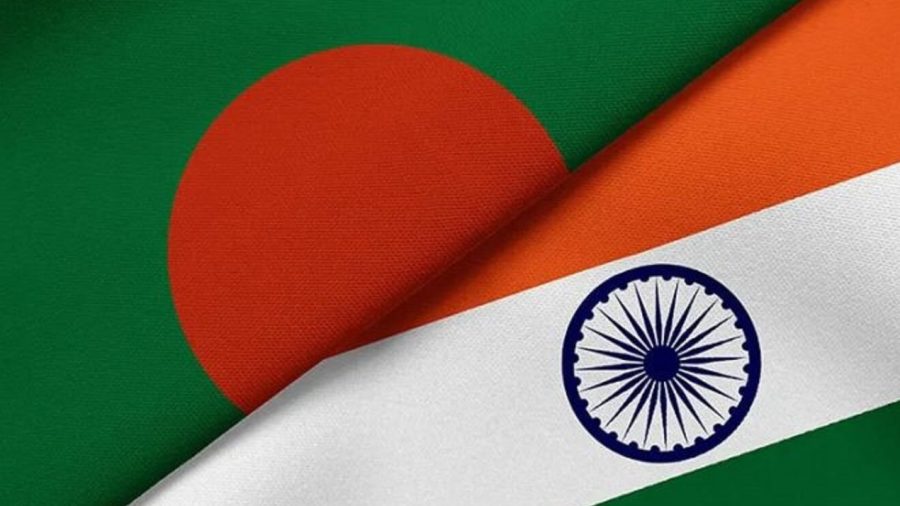

Bangladesh and India’s strained relationship has moved beyond diplomatic language into visible public rejection. The withdrawal from the 2026 T20 Cricket World Cup and Prime Minister Tarique Rahman’s decision to skip India’s invitations, including a prestigious multilateral summit, signal that the damage to trust runs deeper than diplomatic gestures can repair. The latest breakdown began in January 2026 when the Bangladesh Cricket Board refused permission for the national team to travel to India for World Cup matches, citing security concerns. The immediate trigger was BCCI’s controversial removal of star fast bowler Mustafizur Rahman from the Indian Premier League without explanation. This coincided with deteriorating political ties. When the International Cricket Council rejected Bangladesh’s request to relocate matches to Sri Lanka, the BCB refused to participate. Scotland replaced them in the tournament. This wasn’t merely a sporting dispute. It was a public sign of something greatly more serious: the complete erosion of trust between two countries that, eighteen months earlier, were trying to reset their relationship after the upheaval of August 2024.
For fifteen years, India benefited from unprecedented security cooperation with Sheikh Hasina’s Bangladesh, reduced insurgent activity in its north-eastern states, and expanded transit access. Officials called it a ‘golden era.’ Hasina’s forced departure in August 2024 after mass protests reversed that alignment into mutual suspicion. In November 2025, Bangladesh’s International Crimes Tribunal sentenced Hasina to death in absentia for crimes against humanity. Bangladesh formally requested her extradition, but India confirmed it was examining the request through ‘relevant legal processes’- language that provides cover for indefinite postponement. Hasina remains in hiding in New Delhi, a living symbol of India’s reluctance to break with its past. The extradition impasse is now the central obstacle to any reset. This month, Bangladesh’s Foreign Minister stressed that a ‘conducive environment’ is required before Prime Minister Rahman considers visiting India. In other words, unless India moves credibly on Hasina, no bilateral engagement will occur.
In August 2026, India extended two invitations to Prime Minister Rahman: a bilateral state visit and an invitation to attend the BRICS summit in September as the current chair of BIMSTEC. Both have been effectively deferred. Rahman’s government clarified that the BIMSTEC invitation was ‘addressed to the chairperson’ rather than personally to the Prime Minister, a diplomatic formulation signalling non-engagement. Bangladesh’s Foreign Affairs Adviser said the likelihood of Rahman attending the BRICS summit ‘remained slim’ unless an atmosphere of ‘mutual trust’ and a ‘dignified invitation’ existed. The bilateral invitation, extended since February, remains unanswered. This is unprecedented: a Bangladesh government publicly and deliberately declining high-profile engagement with India. It signals that Dhaka no longer plays the role of supplicant seeking favour from a larger neighbour. Instead, Bangladesh is dictating terms.

Three issues remain unresolved. The 2013 bilateral extradition treaty includes a political offence exception allowing India to refuse. There is little Indian political support for Sheikh Hasina’s return, given India’s decades-old ties to the Awami League and her father’s role in the 1971 Liberation War. India seems content with deliberate ambiguity. The 30-year Ganges River Water-Sharing Treaty expires in December 2026. Bangladesh depends on it for agriculture, fisheries, and drinking water during dry months, yet shares only this one formal agreement with India despite 54 shared rivers. Bangladesh intends to demand 40,000 cusecs of water and longer-term terms, neither of which India has signalled willingness to grant. China’s deepening engagement offers Bangladesh strategic hedging. Beijing’s willingness to invest in infrastructure India has resisted provides economic opportunity, along with geopolitical balance, that Bangladesh will increasingly use if India remains unresponsive.


The diplomatic thaw of early 2026 has frozen. Bangladesh’s refusal to attend multilateral events in India, along with public statements about the absence of ‘mutual trust,’ signals a government that has stopped playing by rules set in New Delhi. India must do three things it has historically resisted: resolve the Hasina extradition transparently through its courts rather than indefinite delay; approach water-sharing as genuine negotiation between equals; and demonstrate respect for Bangladesh’s sovereign right to draw its own foreign policy. The 2026 expiration of the Ganges Water Treaty paradoxically offers an opening. Renewing it alongside transparent extradition proceedings can anchor a partnership on practical grounds. But without India’s willingness to accept such terms, both countries risk deepening isolation from each other, precisely the outcome neither can afford.
For now, the silence itself is deafening, hope is cautious, and the ice shows no sign of melting.
The views expressed in this article are solely those of the author
The writer is an Associate Professor, Business Management and Leadership. Former Corporate Executive.