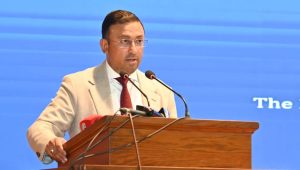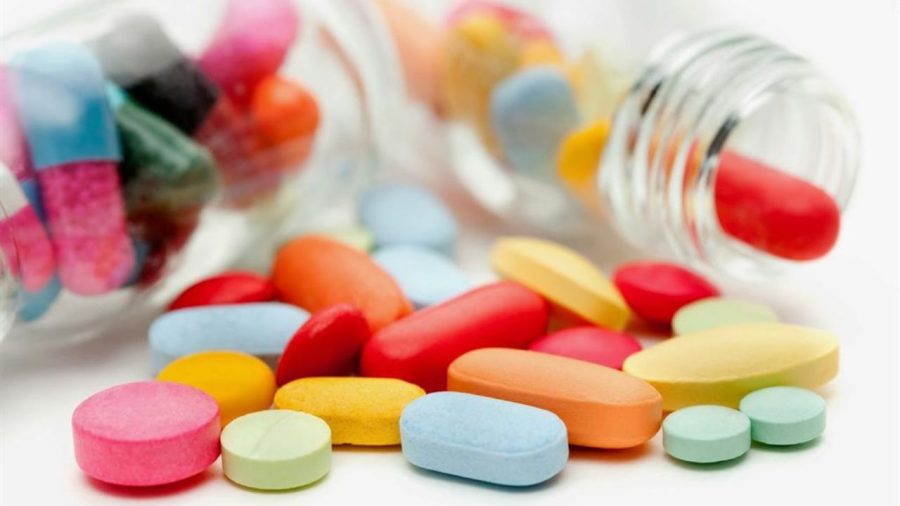

Government hospitals and health centres across Bangladesh hold only 22 per cent of listed essential medicines in stock, Jessore-2 constituency lawmaker Moslehuddin Farid told Parliament on Tuesday.
Citing research by the Health Economics Division, Farid raised serious concerns during the parliamentary session regarding the critical lack of essential drugs and high public healthcare spending.
Stark reduction in listed medicines
The lawmaker explained that while the World Health Organization (WHO) list contains 523 essential medicines followed by most countries, Bangladesh’s interim government had previously reviewed the list in consultation with stakeholders over a year to reduce it to 295.

However, within a few months of the current government taking office, this list was slashed further to just 117 medicines. Farid claimed that this scaled-down list is now the lowest in the world.
EDCL pricing anomalies and high out-of-pocket costs
This shortage in public facilities stands in stark contrast to the enormous financial burden placed on citizens, who are forced to buy medicines out of their own pockets.

Out of a total healthcare budget of Tk35,000 crore in the last fiscal year, approximately Tk3,000 crore was spent on purchasing medicines, with 62 per cent of the supply provided by the state-owned Essential Drugs Company Limited (EDCL).
Farid alleged that EDCL has been supplying these medicines at nearly double the market rate. He argued that if the state entity had supplied them at market prices, the public could have received an additional Tk 1,000 crore worth of medicines under the same budget.
Outside of government facilities, the Bangladeshi public spent around Tk 40,000 crore of their own money to purchase medicines, a proportional expenditure that ranks among the highest in the world.
Farid pointed out that while the government’s subsidy and incentive sectors have a massive allocation of about Tk 1,22,000 crore, no portion of this budget has been allocated to secure essential medicines for the citizens.
Demands for immediate policy reform
To resolve this crisis, Farid placed a three-point demand before the government. He urged the authorities to redetermine the national list of essential medicines by aligning it with the WHO’s 523-item list.
He also demanded that the government make essential medicines affordable by securing subsidies or incentives from this year’s increased budget. Finally, the lawmaker called for immediate government measures to address the inflated supply prices of medicines distributed by EDCL.