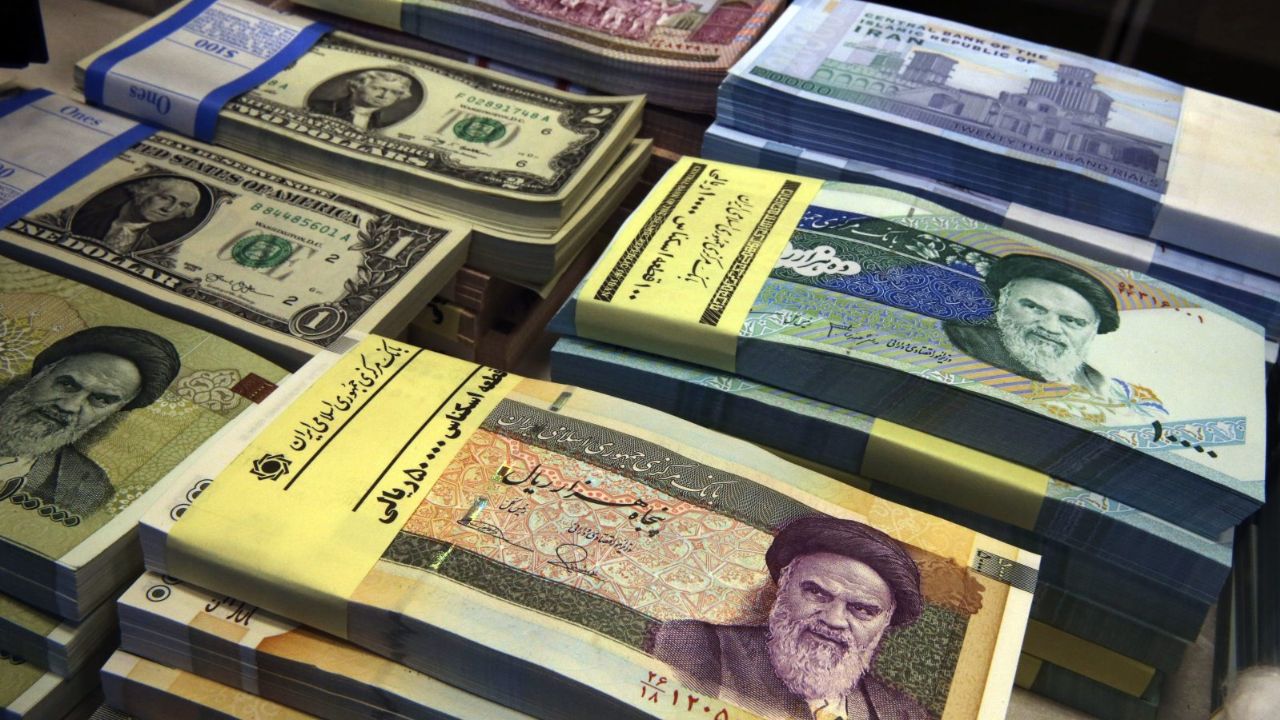



The Iranian rial has plummeted to an unprecedented historic low against the US dollar, dropping past 2 million rials to $1 on the free market. This latest economic shock follows the implementation of Washington’s toughest sanctions yet, aimed at strangling Tehran’s economy.
For the country’s population of approximately 92 million people, this currency collapse – compounded by the US-Israel war on Iran launched on 28 February – has severely worsened decades of economic distress.
While decades of US and international sanctions, especially over Iran’s nuclear programme, had already crippled the economy, the active conflict has intensified inflation woes. This has left citizens struggling to keep pace with soaring prices as the local currency hits new all-time lows.
Shrinking baskets and soaring healthcare costs
The direct impact on the streets of Tehran is stark, with the prices of daily necessities, apparel, and medical supplies rising far beyond the reach of average households.
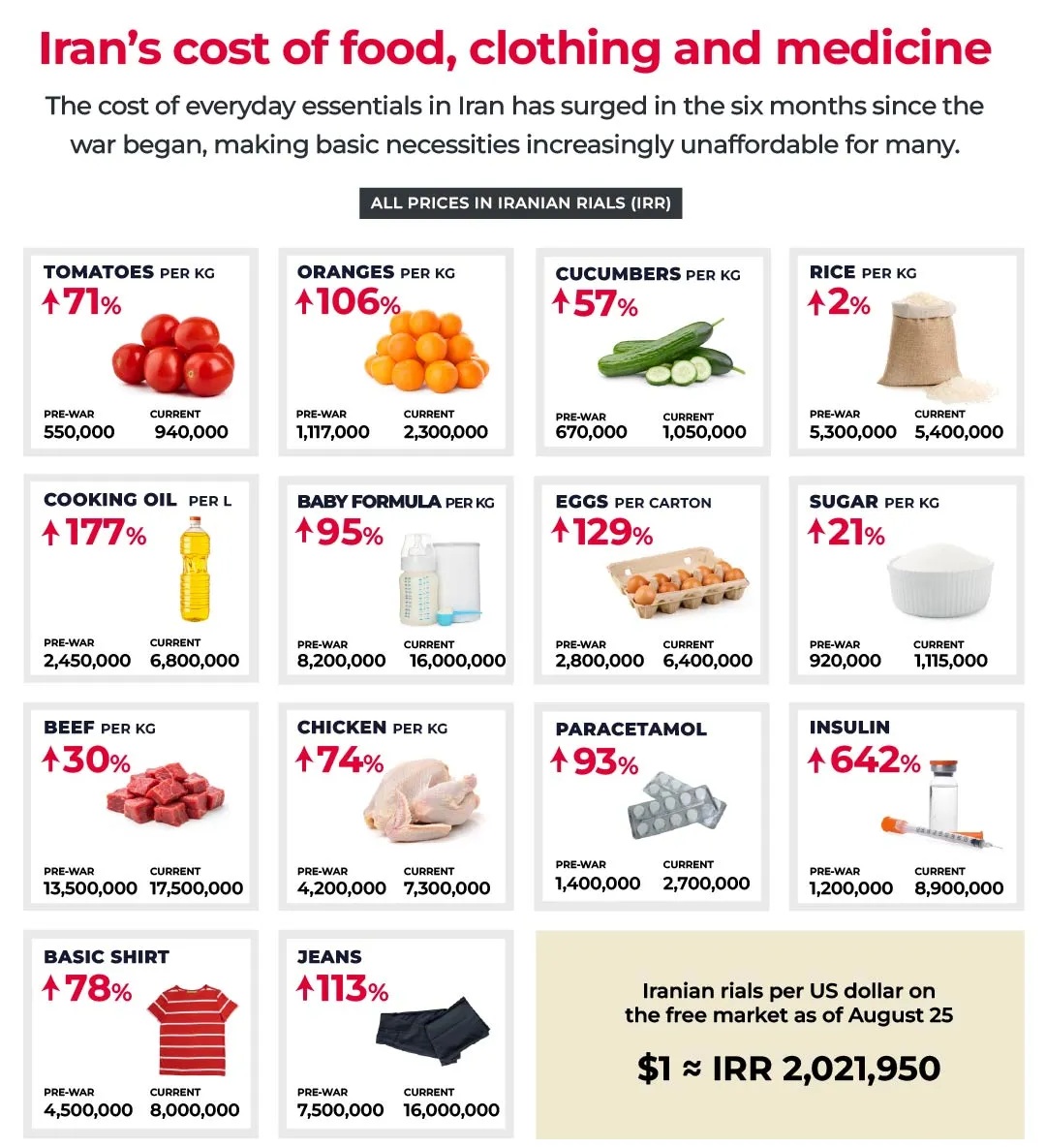
Before the war, 2 million rials could purchase roughly four kilogrammes of tomatoes, half a kilogramme of chicken, and slightly under one litre of cooking oil. Today, that identical sum secures only half of those quantities.
On average, the price of tomatoes has surged by 71 per cent, chicken by 74 per cent, and cooking oil has witnessed a staggering increase of 177 per cent.

The healthcare sector has been hit even harder, putting vulnerable populations at severe risk. The price of insulin, which is vital for the survival of diabetics, has skyrocketed by 642 per cent. Common medicines such as paracetamol have become 93 per cent more expensive.
Even baby formula, which is largely subsidised by the government, has seen its cost rise by 95 per cent.
To manage massive currency figures, Iranians use the ‘toman’—an unofficial currency unit equal to 10 rials. However, this simplified accounting fails to mask a gruelling reality for young families.
Afsaneh, a 35-year-old working mother in Tehran, says her family’s weekly grocery bill has risen by 20 to 30 per cent. “Before the war, we could plan months ahead, but now our only concern is making it to the end of the month,” she told Al Jazeera.


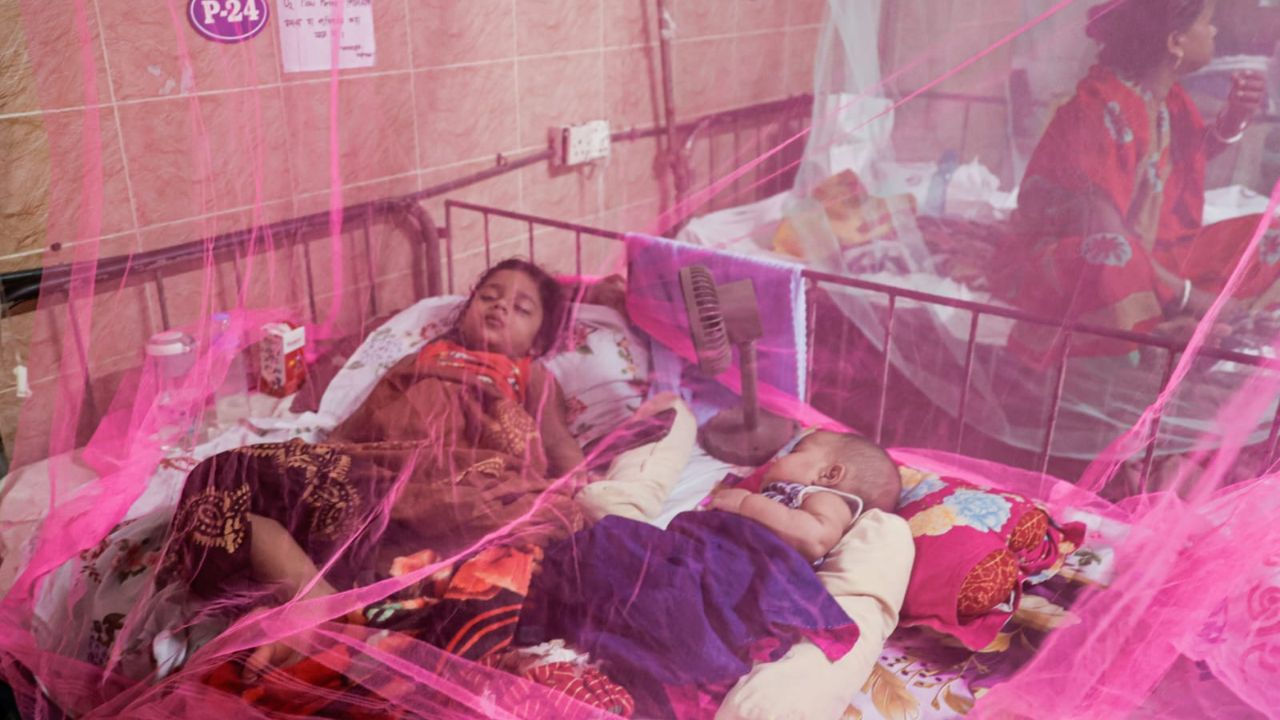
Daily childcare has reached 500,000 tomans (5 million rials or $2.5), making it barely affordable for her and her husband. While the government subsidises baby formula, wellness checkups and nutritional supplements are not covered by insurance.
Consequently, plans for new clothes or car upgrades have been cut to focus solely on food and basic shelter.
Blockade, stagnant wages and commercial collapse
The domestic economy faces severe supply-side constraints alongside currency devaluation.
Active war damage has disrupted industrial production across the nation, while a US naval blockade of Iranian ports has complicated both imports and exports, restricting access to international markets. At the same time, wages have failed to keep pace.
The government-approved minimum wage for the current Iranian calendar year, which concludes in March 2027, stands at 166 million rials ($82) per month. Even when government benefits and assistance are added, the total monthly income comes to less than 220 million rials ($108).
This vast disparity between earnings and expenditure is threatening the survival of local businesses.
Zamir, a 35-year-old men’s fashion retailer in Tehran, reported that his sales have plummeted by 40 per cent compared to last year. He expects many colleagues to go bankrupt and shut down before winter ends due to rising wages and raw material costs.
Many retailers are liquidating summer stock below cost, and autumn will bring a fresh wave of price increases.
Zamir noted that daily expenses outside the home – such as coffee, cigarettes, water, and transport – now easily exceed 2 million tomans ($10). Even under the tightest budget, a basic daily outing costs 700,000 to 800,000 tomans ($3.5 to $4), excluding groceries.
Strategic pressures and strained lifelines
Outside Tehran, the crisis is equally severe. In the southern coastal province of Hormozgan, which oversees the strategic Strait of Hormuz, Salama, a 28-year-old fisher and mother of one, described her struggle.
Her weekly grocery bill has surged from 500,000 tomans ($2.5) to 5 million tomans ($25), forcing them to cut back on or eliminate meat and chicken from their meals.
Meanwhile, Salama’s fishing income has decreased, leaving her family highly vulnerable. Simple children’s cold or seasonal allergy medicine now costs around 300,000 tomans ($1.5), and a GP visit costs at least 1 million tomans ($5).
While the war did not create Iran’s economic problems, it has magnified them. War damage, disrupted production, the naval blockade, and stagnant purchasing power have eroded families’ resilience.
For millions, the primary concern is now how much food, housing, and basic necessities a month’s salary can actually buy.