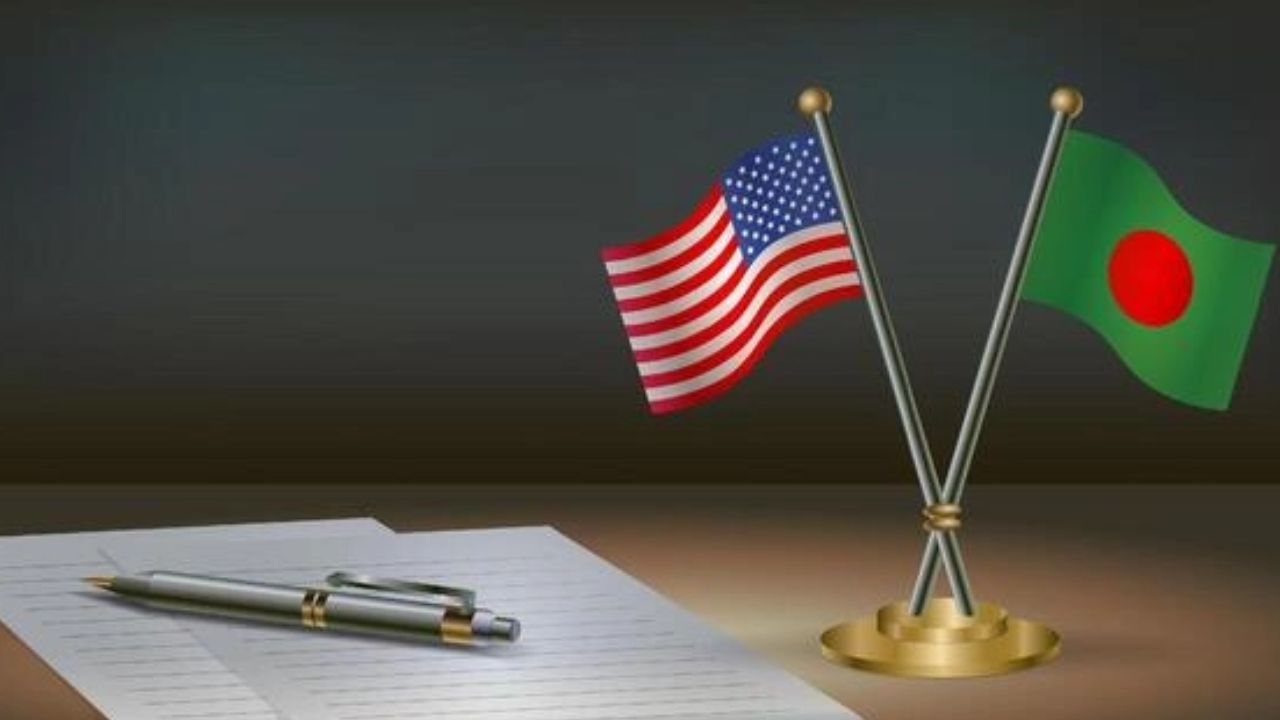

Bangladesh has secured the minimum tariff rate in a new US trade regime targeting dozens of nations, a move that is expected to bolster the country’s competitive edge in the global apparel market.
The US government announced on Thursday, the imposition of tariffs under Trade Act, 1974 on 60 economies, representing 86 countries globally.
The measures, which follow investigations by the Office of United States Trade Representative (USTR) into the use of forced labour, are scheduled to take effect at 12:01am (Washington DC time) on Friday.

Under the new structure, tariffs range from a low of 10 per cent to a high of 12.5 per cent, replacing the previous temporary 10 per cent global tariff implemented under Section 122. Bangladesh is among only 17 countries placed within the lower 10 per cent tariff tier.
According to a statement from the Ministry of Foreign Affairs, the 10 per cent tariff will apply to all imports originating from Bangladesh and will be levied in addition to existing Most-Favoured-Nation (MFN) tariff rates.


This positioning is viewed as a strategic advantage for Bangladesh’s apparel and export sector, particularly as major global competitors including China, Vietnam, and Thailand will face the maximum 12.5 per cent rate.
This differential reinforces Bangladesh’s comparative advantage in the US market relative to these high-tariff competitors.
The USTR is considering the establishment of a three-year Tariff-Rate Quota (TRQ) for four countries – Bangladesh, Cambodia, Indonesia, and Malaysia.
If implemented, this would waive Section 301 tariffs on goods manufactured using US cotton and textile inputs, further promoting Bangladeshi exports to the United States.
The government reaffirmed its full commitment to upholding international labour standards. The Ministry added that the government will continue to engage closely with international partners to ensure the robust growth, compliance, and sustainability of the nation’s critical export sectors.