High-level negotiations between American and Danish officials regarding an increased US military footprint in Greenland have seen significant progress in recent months.
The discussions involve a proposal to establish three new military facilities in the southern part of the semi-autonomous territory.
The move is part of an effort to resolve a diplomatic rift created earlier this year when US President Donald Trump suggested the United States should “own” the island to counter Russian and Chinese influence, remarking that this could occur “the easy way” or “the hard way”.
While specific details remain confidential, the White House has expressed “optimism” regarding the current direction of these talks.

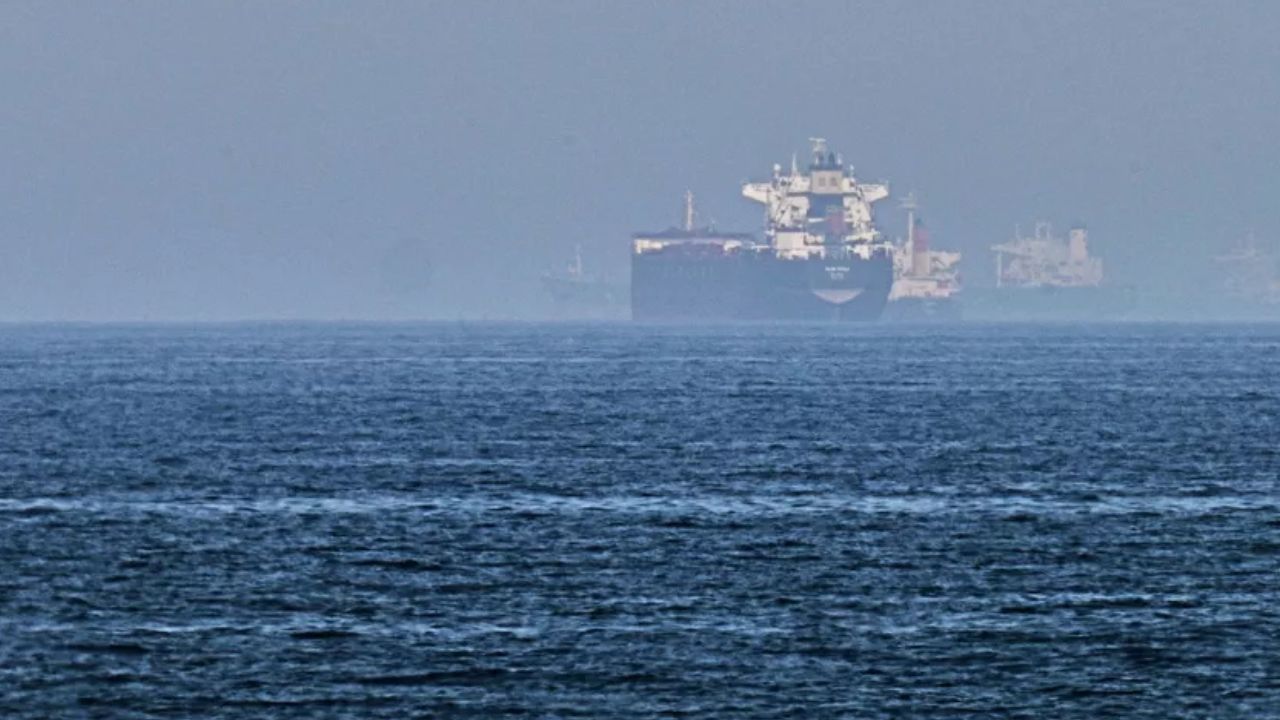
The proposed installations would focus on monitoring the “GIUK Gap” – a strategic naval passage between Greenland, Iceland, and the United Kingdom – to track potential Russian and Chinese maritime movements, reports BBC.
Currently, the US maintains only the Pituffik Space Base in northwestern Greenland, which is dedicated to missile detection rather than maritime surveillance. This is a notable decrease from the approximately 17 facilities operated there during the Cold War.



One potential site for a new base is Narsarsuaq, which previously housed a US military airfield. Analysts indicate that the US is likely to prioritise locations with existing infrastructure, such as ports or airfields, to facilitate cost-effective upgrades.
Additionally, some US officials have proposed that these new bases be designated as US sovereign territory, though no final consensus has been reached.
The Danish Ministry of Foreign Affairs confirmed that an “ongoing diplomatic track” is in place, though it declined to provide further details.


The negotiations are being conducted under the framework of a 1951 security pact between the US and Denmark, which allows for military expansion in Greenland provided the Danish government grants approval. Historically, Denmark has consistently supported such requests from Washington.
The diplomatic effort is being spearheaded by Michael Needham, a senior State Department official. His task involves reaching a deal that satisfies Trump’s strategic goals while respecting Denmark’s sovereignty and border protection “redlines”.
Since mid-January, Needham has met at least five times with key counterparts, including Jesper Møller Sørensen, the Danish ambassador to the US, and Jacob Isbosethsen, the lead Greenlandic diplomat in Washington.
Notably, Louisiana Governor Jeff Landry, appointed as Trump’s special envoy to Greenland, has been absent from these formal sessions. An ally described Landry’s role as a “cheerleader” for the concept of a security takeover rather than a participant in the actual diplomatic process.
While some security experts suggested that US interests could have been pursued without initial threats of “invasion,” others, such as retired General Glen VanHerck, argued that a US presence is vital to prevent China and Russia from filling a regional security vacuum.