The government is struggling to finalise its revenue strategy for fiscal year 2026–27 as it weighs International Monetary Fund (IMF) conditions against domestic industry and investment realities.
Budget preparation process formally began on 31 March but key decisions remain unresolved, slowing progress and leaving the National Board of Revenue (NBR) without clear direction, officials said.
Traditionally, the government provides a policy direction for revenue formulation, based on which NBR officials prepare the framework. Officials said the process is not advancing this time due to no clear guidance from policymakers.
The IMF, under a $4.7 billion programme, is pressing for cuts to tax exemptions and a phased withdrawal of subsidies. Bangladesh’s tax-to-GDP ratio stands at 6.67 per cent, among the lowest globally, with a target to reach 9.2 per cent next fiscal year.

The lender said long-standing tax breaks across sectors have caused significant revenue losses. It also called for aligning energy and power subsidies with market prices.
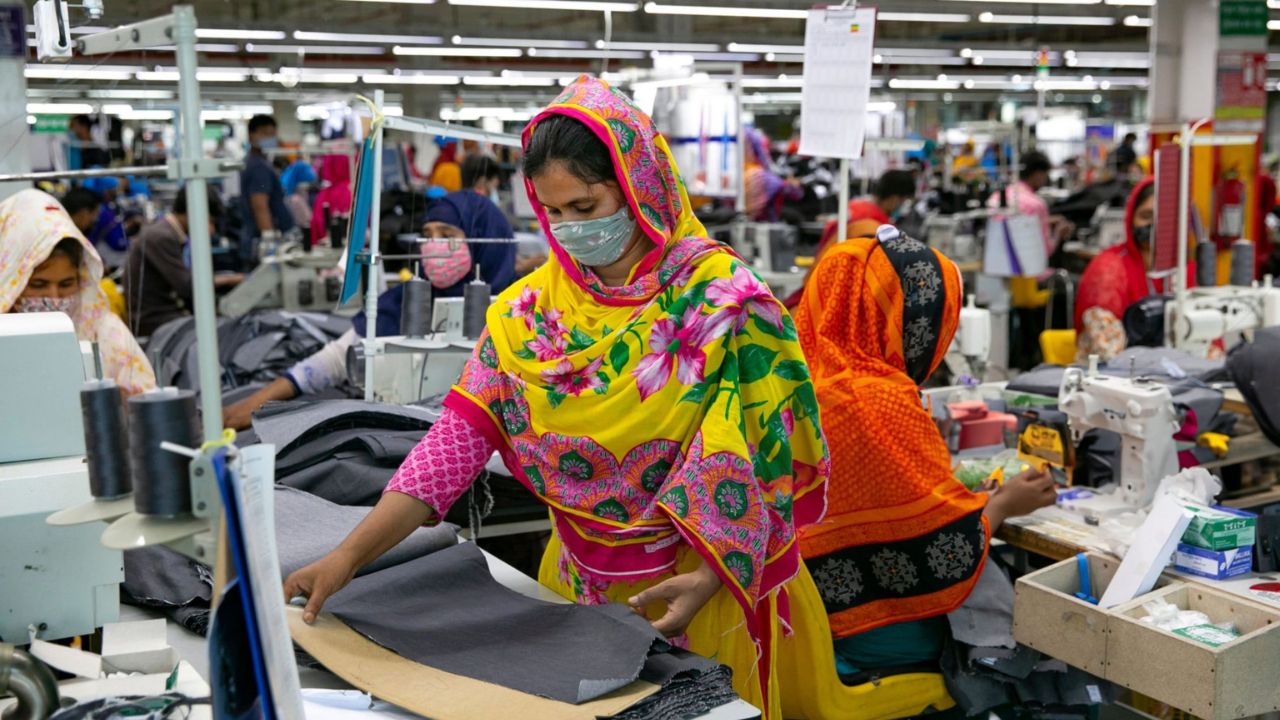
Officials said abrupt implementation could raise production costs and weaken competitiveness, particularly in export-oriented industries. Value-added tax exemptions on products including computers, laptops, desktops, notebooks and tablets remain valid until 30 June, but immediate withdrawal is not considered feasible.
“Maintaining a balance between increasing revenue and sustaining industrial growth is now the biggest challenge,” an NBR official said.



Four factors are shaping the budget. These include IMF-mandated reforms, growing reliance on external borrowing, risks of rising production costs and slowing investment, and the absence of clear directives from the highest levels of the government.
The uncertainty has slowed preparation, with repeated revisions to policy proposals. Plans to introduce wealth and inheritance taxes are also under reconsideration.
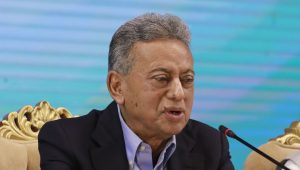
Economists advised stability over new taxation. Former World Bank Dhaka office lead economist Zahid Hussain said revenue policy must be growth-supportive, predictable and investment-friendly.
“Without stability in tax policy, new investment will not materialise,” he said, adding that trade facilitation should take priority over new taxation.
The NBR has been holding pre-budget consultations with business leaders, economists and stakeholders since 31 March, which will continue until 28 April. A high-level meeting on 29 April is expected to outline the core structure of the revenue policy.
Economists warned that failure to strike the right balance could jeopardise revenue targets and disrupt industrialisation and growth. Policy Exchange Bangladesh Chairman M Masrur Reaz said the government must align external financing needs with domestic economic pressures in shaping the budget.
Revenue performance has weakened. Collection fell short by nearly Tk98,000 crore in the first nine months to March of fiscal year 2025–26, exceeding the previous full-year record gap.
Businesses said higher raw material import costs are raising production expenses. Shasha Denims Managing Director Shams Mahmud warned that removing tax exemptions alongside higher energy prices would push costs further.
“This would hurt local industries and erode Bangladesh’s competitiveness in export markets,” he said.