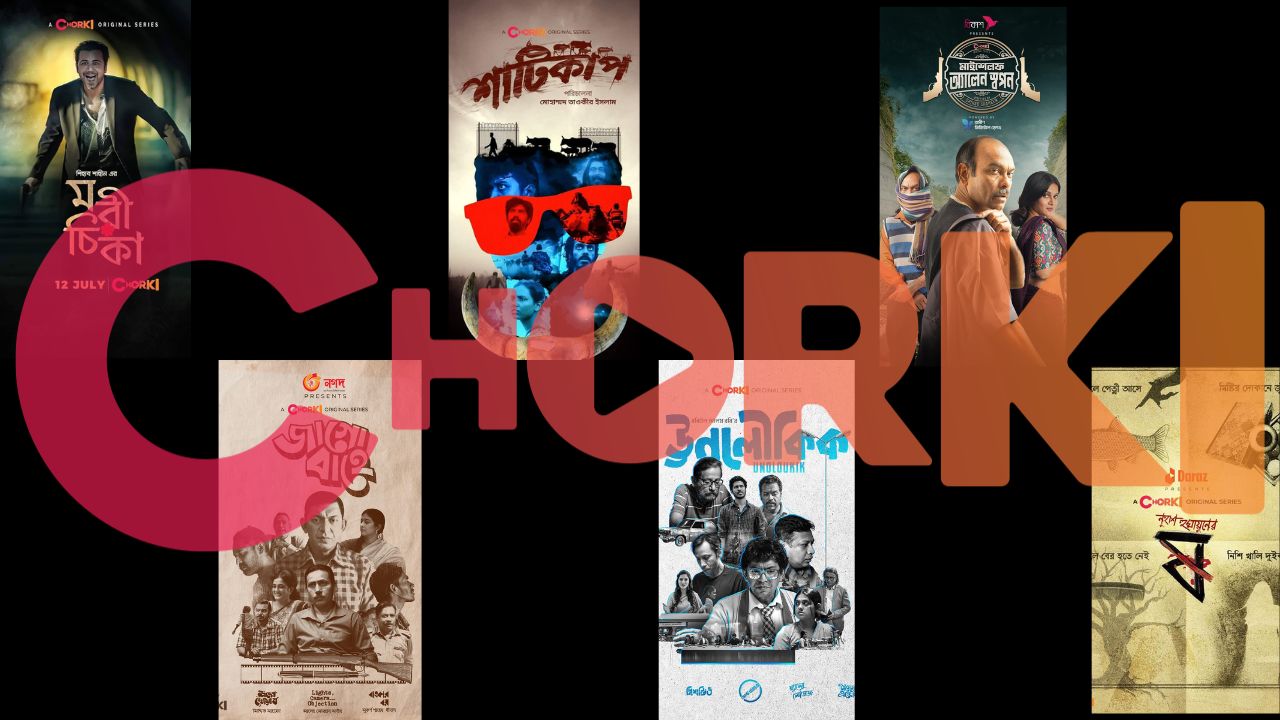

When Chorki was launched on 12 July 2021, Bangladesh did not simply gain another streaming platform. It witnessed the arrival of an idea that had been quietly gathering momentum for years. The country’s cinema industry had long been searching for a new economic model as single-screen theatres disappeared across the country, while television, despite remaining the largest employer of creative talent, increasingly operated within the limitations of shrinking budgets, advertiser-driven programming and compressed production schedules. Meanwhile, audiences were consuming stories differently, embracing smartphones, streaming services and on-demand viewing.
Chorki emerged at the intersection of those changes, carrying expectations that extended well beyond business. To many filmmakers, writers and actors, it represented the possibility of a new home for ambitious Bangla storytelling.
Five years later, the platform’s significance cannot be measured simply by the number of subscribers or the size of its content library. Those figures may fluctuate over time. Its more enduring contribution lies in changing what Bangladeshi audiences expect from locally produced stories and what filmmakers believe can be achieved within the country’s own creative ecosystem.
Chorki emerged amid a shifting media environment where domestic cinema halls were declining, television faced dwindling budgets and advertiser constraints, and viewers increasingly favored free digital options. Developed under Mediastar Limited—the Transcom Group subsidiary responsible for Prothom Alo—and directed by filmmaker Redoan Rony, whose previous streaming effort was Popcorn Live, the platform debuted with more than two hundred titles and a technology alliance with global streaming provider ViewLift.
Its core premise was straightforward: local audiences who had grown disillusioned with domestic programming would be willing to pay for content if its underlying quality was elevated.

Five years later, that wager appears only partially resolved. Culturally, the platform has made a significant impact. Commercially, its performance remains largely undisclosed. What can be assessed with greater clarity is its creative record—and that record has been shaped largely by Chorki itself.
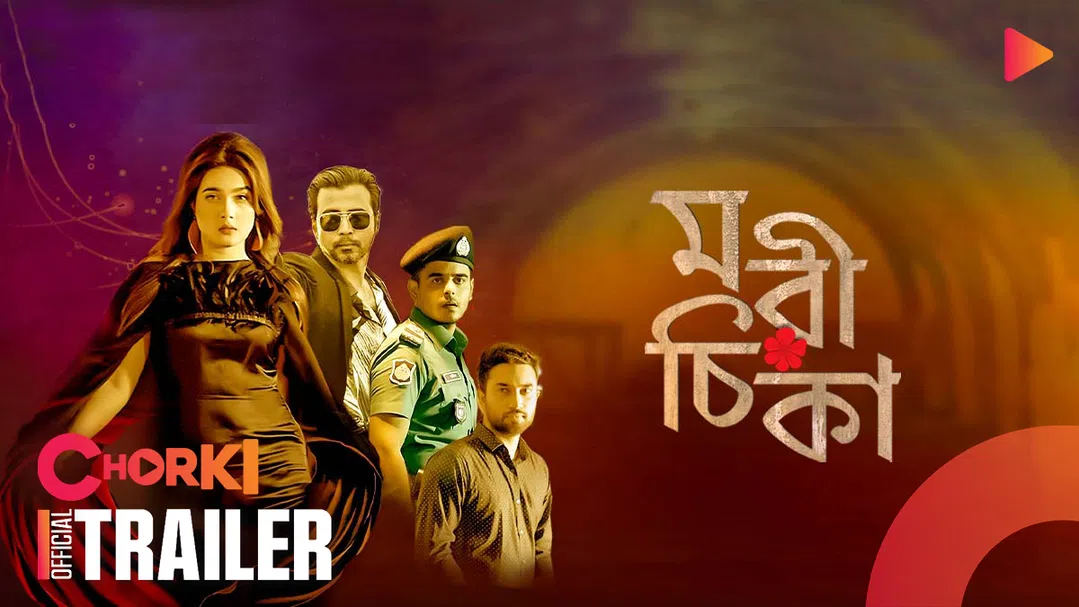
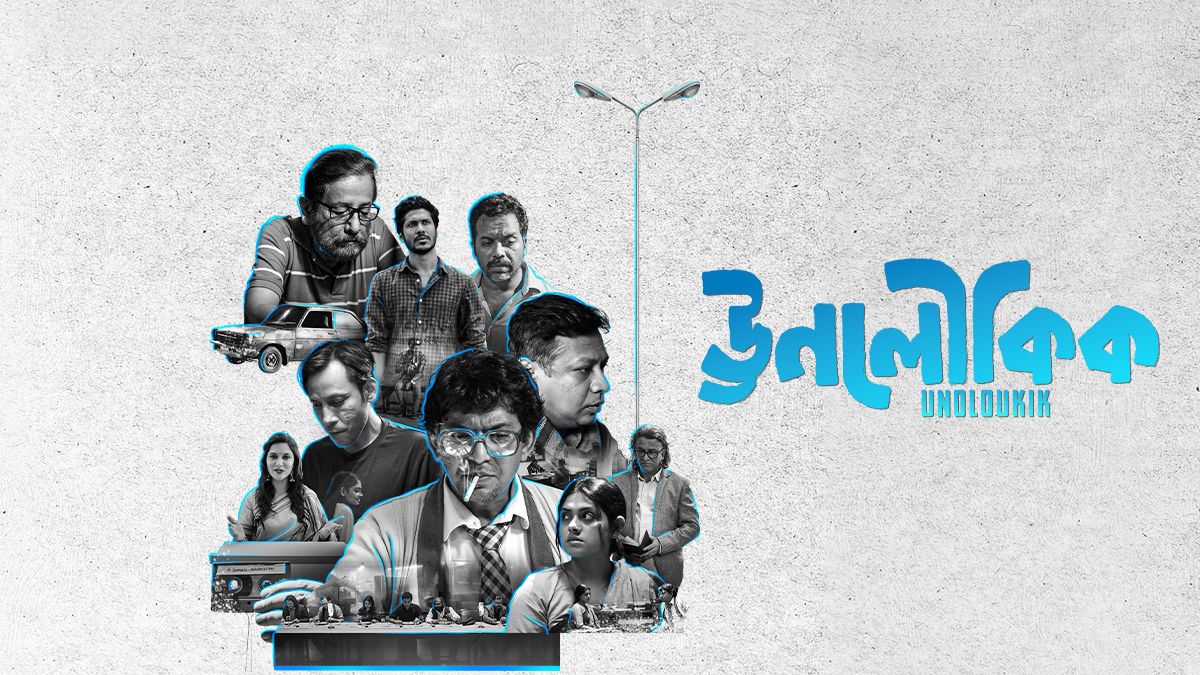
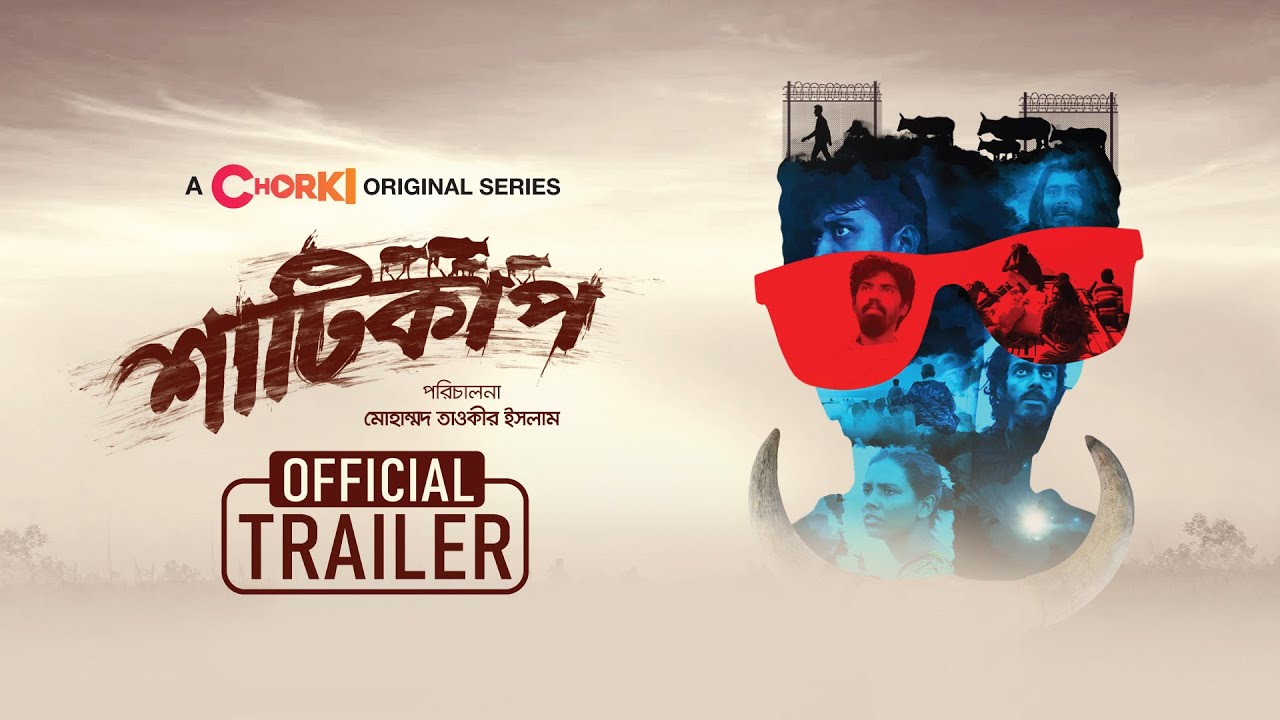
From its earliest slate, the platform signalled a departure from conventional television storytelling. Robiul Alam Robi’s Unoloukik and Shihab Shaheen’s Morichika set the tone, followed by projects such as the Liberation War anthology Jaago Bahey. In early 2022, Shaaticup, a narco-thriller created by a largely unknown team from Rajshahi and performed in the regional dialect, became a defining moment. Its reception demonstrated that stories rooted outside Dhaka could resonate nationally, challenging long-standing assumptions about where premium Bangla content must originate.
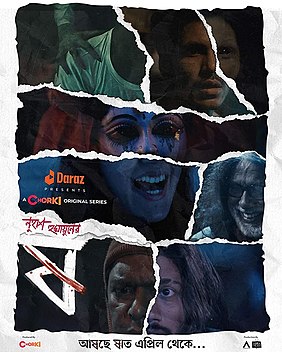




Subsequent productions expanded both thematic and stylistic boundaries. Nuhash Humayun’s Pett Kata Shaw brought Bangladeshi folk horror to international attention through its selection at the International Film Festival Rotterdam. Shihab Shaheen’s Myself Allen Swapan generated widespread discussion for its morally complex characters, while Mostofa Sarwar Farooki’s Ministry of Love anthology reaffirmed streaming as a space for auteur-driven storytelling.
Abu Shahed Emon’s Mercules, inspired by true events, reflected that evolution by bringing an established feature filmmaker into the world of web series while expanding the platform’s growing catalogue of original thrillers. The platform also drew established filmmakers into long-form digital narratives, reflecting a gradual convergence between cinema and streaming.
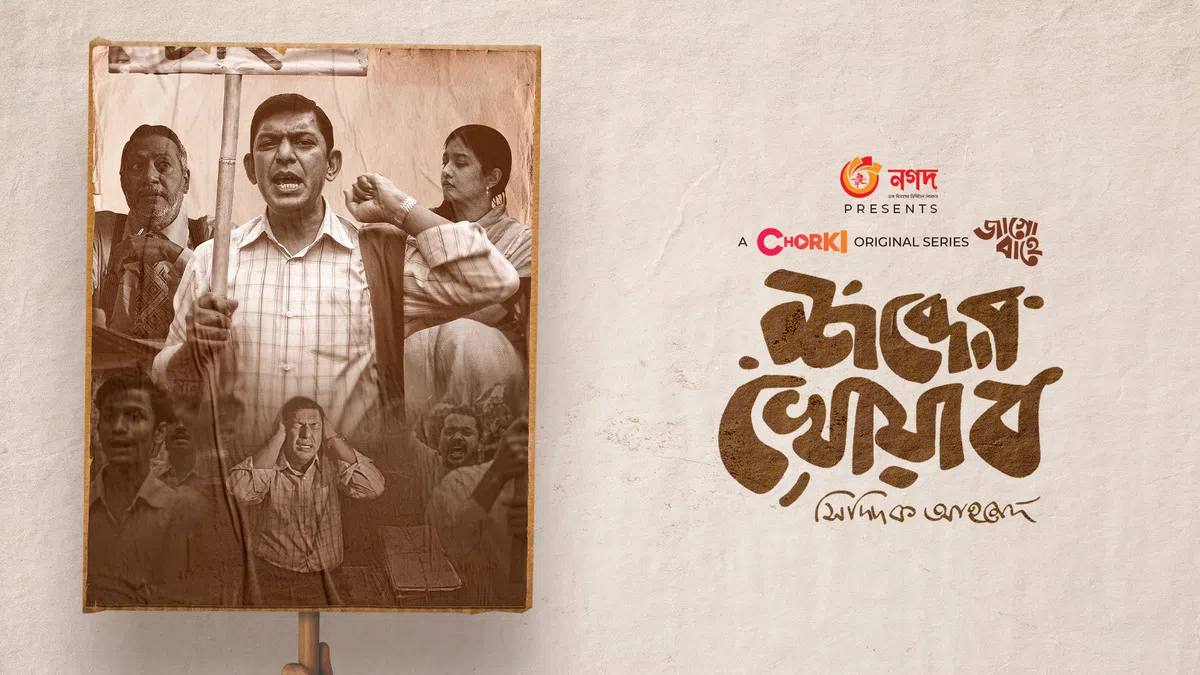
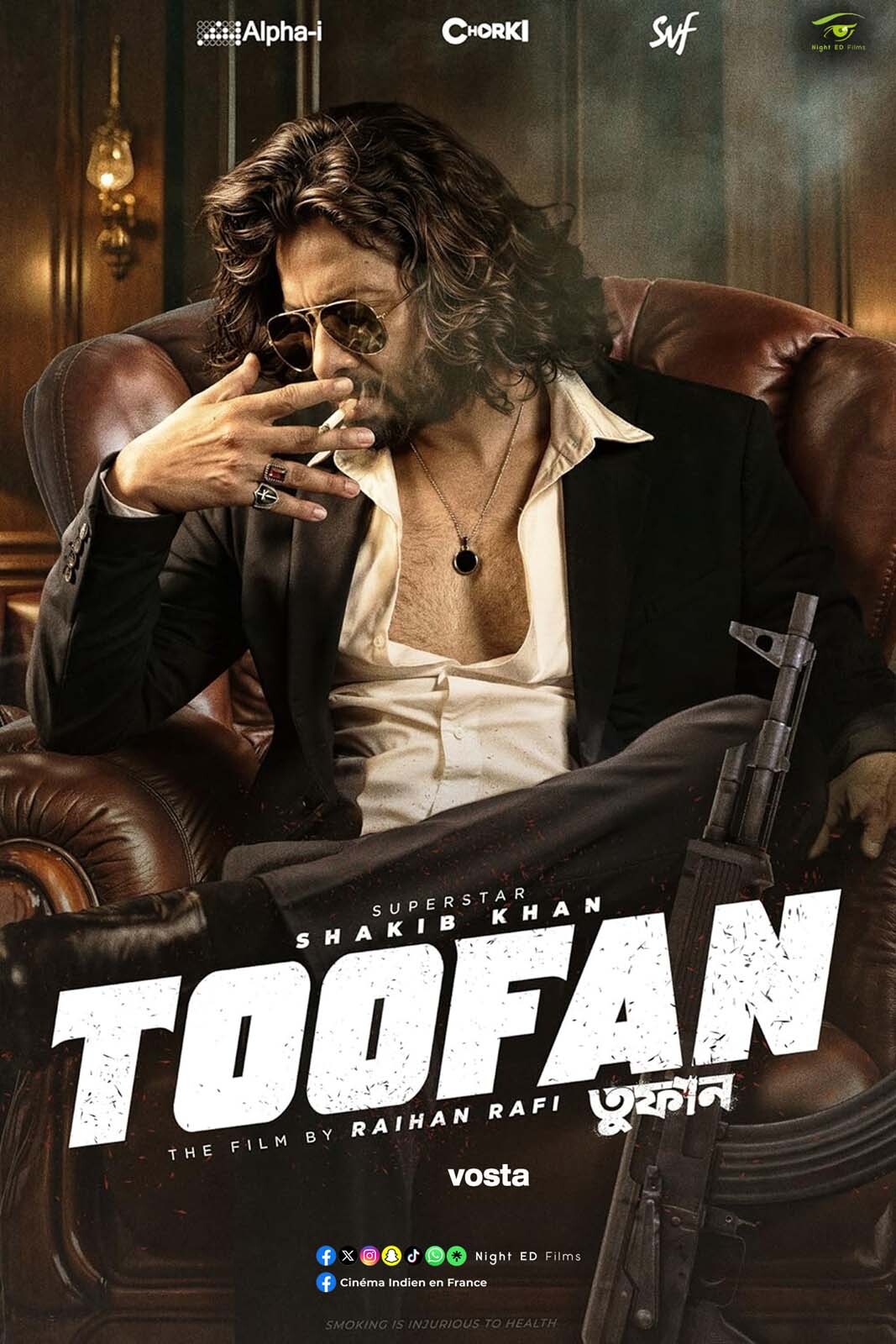
At the same time, Chorki expanded beyond streaming into theatrical production. Collaborations on films such as Surongo, Toofan, Taandob, Utshob, Daagi and Domm positioned the platform as an active participant in Bangladesh’s film industry rather than merely a distributor. These projects suggested a model in which streaming and theatrical exhibition could coexist as complementary channels rather than competing ones.
Yet the platform’s trajectory has not been without complications. One recurring criticism concerns the perception of a relatively closed creative circle, with a limited group of directors and actors appearing frequently across major productions. While such patterns are not uncommon in industries where trust and familiarity often guide commissioning decisions, the perception itself has persisted and continues to shape industry discourse.
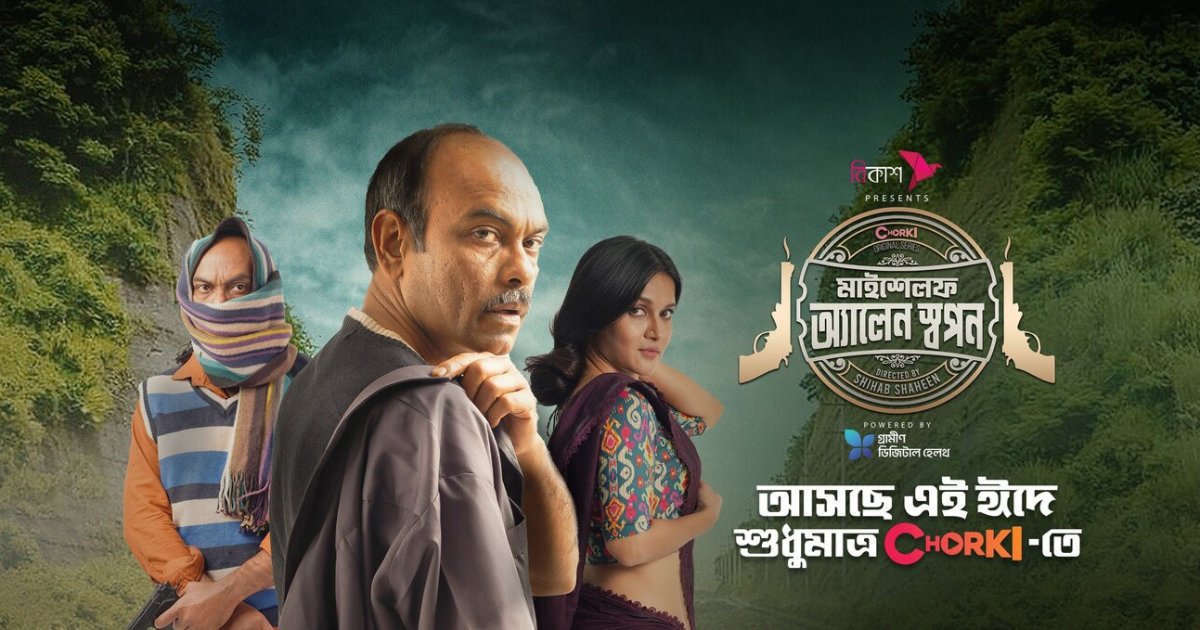
Content-related controversies have also emerged. Certain productions have drawn criticism for perceived similarities to real-life events or other works, while others have faced mixed audience reception. These episodes, though not uncommon in a rapidly evolving creative environment, have contributed to ongoing debates about originality, representation and creative responsibility.
Perhaps the most visible setback has been Chorki’s attempt to expand into India. Launched in October 2023 with considerable expectations, the initiative aimed to build a cross-border content ecosystem involving talent from West Bengal. However, labour disputes surrounding early projects, combined with broader political developments in 2024, disrupted those plans. While some co-productions continued, the broader expansion strategy has yet to materialise as initially envisioned.
The economic dimension remains equally uncertain. Chorki operates in a market where free digital content and piracy exert constant pressure on subscription-based models.
Despite celebrating creative milestones and audience reach, the platform has not publicly disclosed profitability, leaving questions about long-term sustainability unanswered. Like many streaming ventures globally, it appears to rely on sustained investment from its parent organisation while continuing to refine its business model.
Even so, the platform has demonstrated resilience. Despite broader national challenges, it maintained a steady output of content, reflecting both adaptability and the growing demand for locally produced digital storytelling.
Five years may be too short a period to determine whether Chorki has solved the economics of streaming in Bangladesh. It is, however, sufficient to assess its cultural impact. The platform has expanded the boundaries of Bangladeshi storytelling—embracing regional narratives, genre experimentation and international visibility. It has encouraged filmmakers to think beyond traditional formats and audiences to expect greater ambition from local productions.
The next phase will require addressing structural concerns more directly. Greater transparency in commissioning, expanded opportunities for emerging filmmakers, increased participation of women behind the camera, and a more carefully managed international strategy will be essential. Equally important will be the development of a sustainable business model capable of supporting creative risk over the long term.
On its fifth anniversary, the most balanced conclusion may be this: Chorki has not resolved all the challenges it set out to confront, but it has fundamentally altered the expectations surrounding Bangladeshi screen storytelling. That shift—toward more ambitious, diverse and globally aware narratives—may ultimately prove to be its most enduring contribution.