Suhrawardy Udyan has long stood as one of Bangladesh’s most symbolic public spaces. It is a place where history breathes through its open fields and trees.
Here, those moments of national importance have unfolded, and generations have come to feel connected to the country’s past. In its ideal form, the Udyan is meant to be green, open, and alive with both memory and movement.
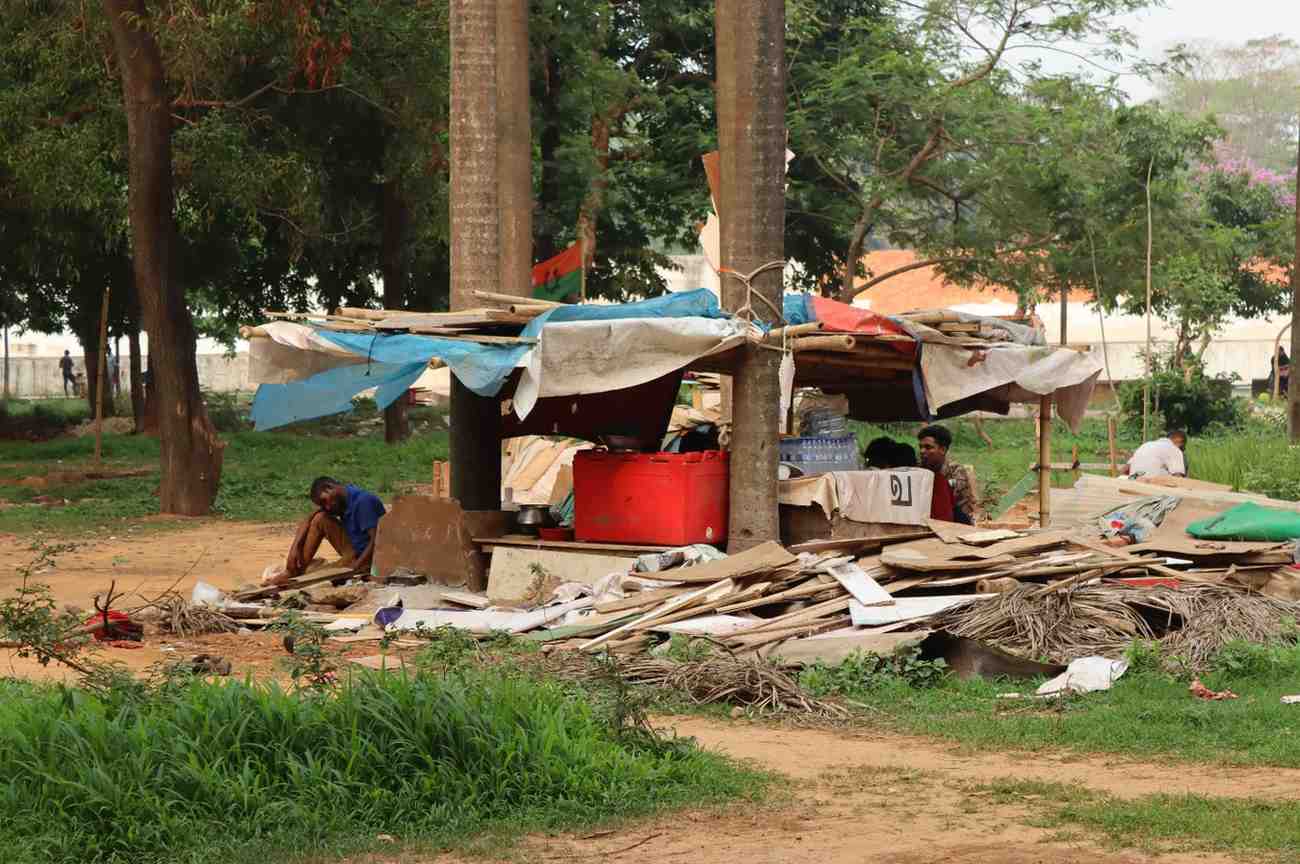
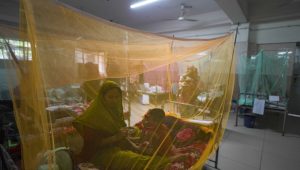
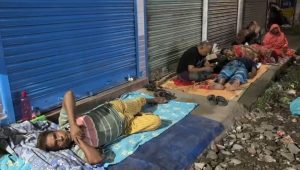
Today, that image is fading. A walk through the park reveals a reality that feels increasingly at odds with its significance. Parts of Suhrawardy Udyan have gradually turned into makeshift living spaces.
Temporary shelters dot sections of the field, with groups of people settling in for extended periods.

While their presence points to broader social challenges, it has also contributed to the steady decline of the park’s environment.
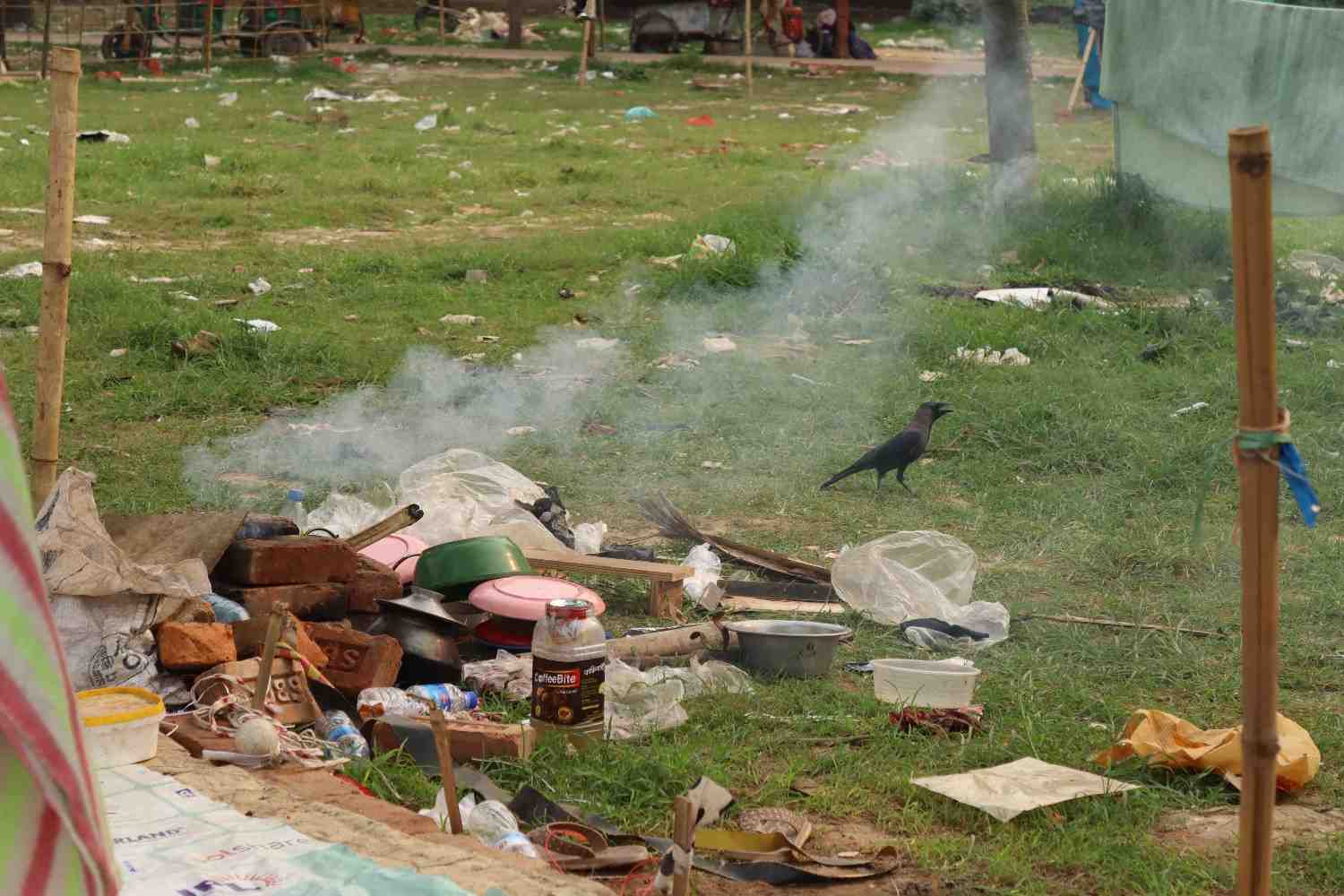
Waste accumulates in corners, and basic maintenance appears to be struggling to keep pace. More alarming, however, is the growing practice of burning plastic within the park premises.



To ward off mosquitoes, plastic waste is often set on fire, releasing thick, toxic smoke in the air. The impact is immediate and visible.
Birds, especially crows, are frequently found dead or disoriented, scattered across pathways and nearby streets. What should have been a safe habitat has quietly become hostile.

The effects are not contained within the park. The smoke drifts outward, reaching the busy roads around Dhaka University.
Pedestrians, students, and commuters are forced to navigate through waves of suffocating fumes. It is not just discomfort but a public health concern unfolding in one of the city’s most important areas.
Suhrawardy Udyan is more than a park; it is a shared inheritance. Its decline reflects not only a failure of management but also a collective neglect.
If this space is to survive as both a historical landmark and a living green zone, urgent attention is needed before its memory is reduced to smoke and silence.