





A detailed analysis of the recent conflict between the United States and Iran reveals a series of critical strategic failures that transformed a planned “limited conflict” into a gruelling 40-day war of attrition.
What was initially envisioned by the White House as a short-term operation to force a rapid Iranian retreat instead resulted in a strategic deadlock, forcing Washington to eventually accept Tehran’s terms to initiate negotiations.
According to Al Jazeera Political Analyst Allameh Azizi, the conflict’s escalation was rooted in seven fundamental miscalculations by US planners.
Misinterpreting the 12-Day War
Washington mistakenly assumed that Iran’s conduct during its previous 12-day conflict with Israel would be repeated.

Despite warnings from General Caine, chairman of the Joint Chiefs of Staff, regarding the potential closure of the Strait of Hormuz, the US administration dismissed these concerns.
On the ground, however, the Strait became a primary factor in disrupting both military and economic calculations.
Regional strategic shifts
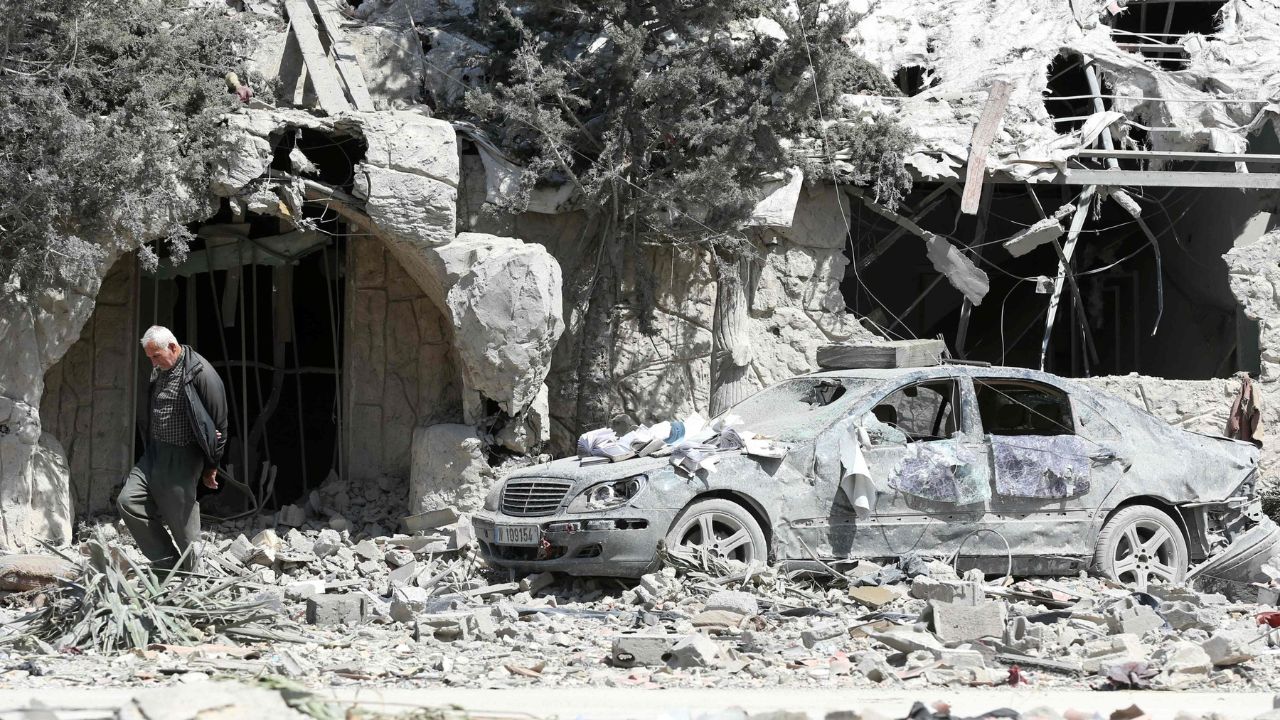
Planners failed to account for Iran’s shift in targeting. While the US expected the focus to remain on Israel, Tehran instead launched strikes against US bases situated in the United Arab Emirates, Bahrain, Kuwait, Qatar, Saudi Arabia, and Jordan.



Underestimating Iran’s defensive capabilities
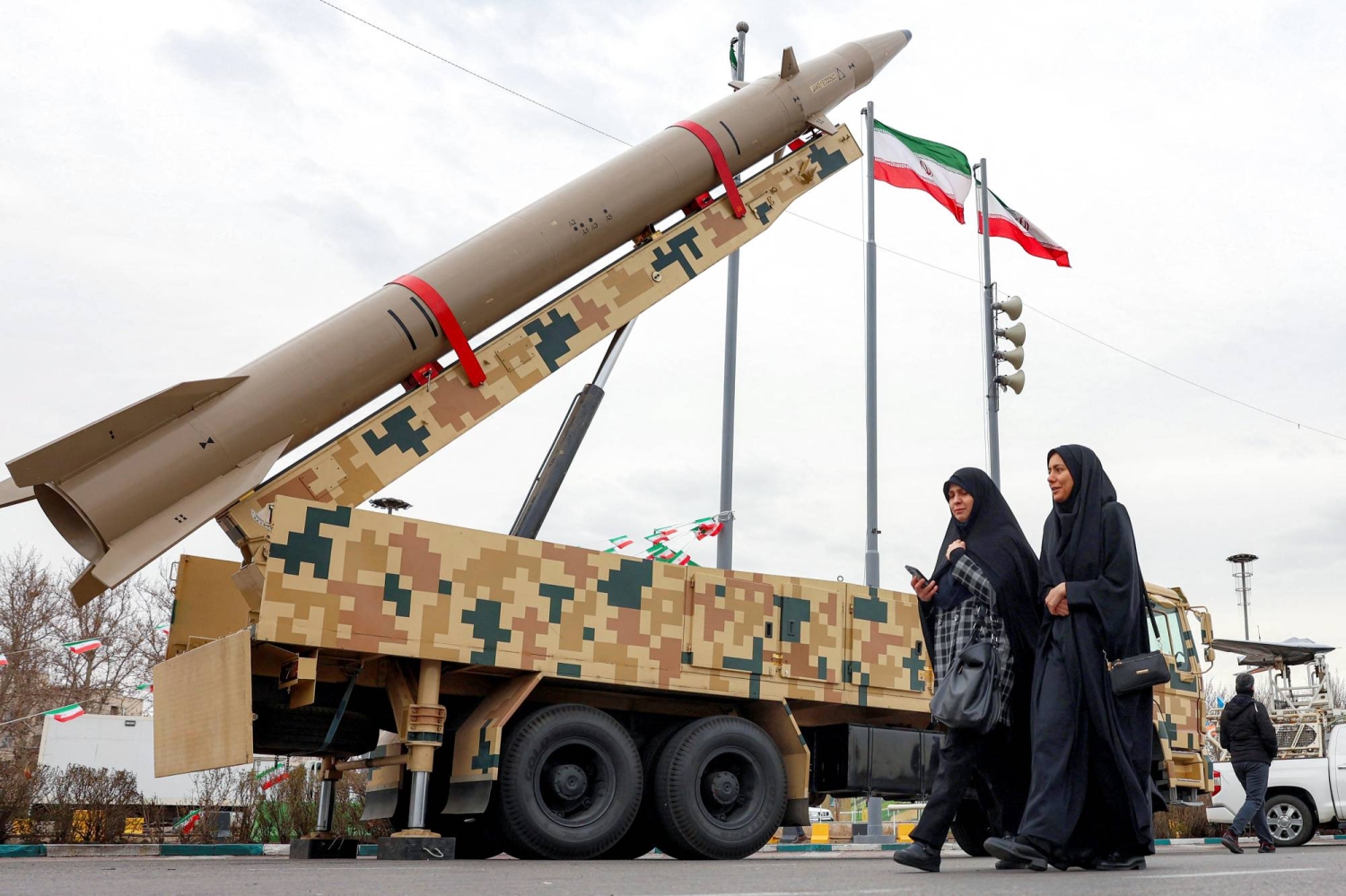
The US Air Force faced significant challenges to its air superiority as Iran’s missile technology and air defence systems proved more advanced than anticipated.
Iranian forces successfully downed US fighter jets and disabled advanced radar systems at various Arab state bases, marking a leap in Tehran’s offensive and defensive precision.
Misreading domestic resilience
Relying on intelligence reports from December, Washington anticipated internal instability or a collapse of the Iranian government following assassinations and protests.
However, the state of war triggered a “civilisational variable,” where historical identity and social cohesion led to national resistance rather than political fragmentation.
The “Axis of Resistance” and NATO fractures
The operational coordination of Iran-aligned groups—the “Axis of Resistance”—was far more unified than expected. Conversely, NATO failed to provide effective support, exposing deep fractures in Washington’s traditional alliances during the crisis.
Economic and moral pressures
The conflict’s expansion caused global oil prices to surge beyond $120 per barrel, with analysts fearing a rise to $200, placing immense pressure on US households.

Domestically, the war faced mounting criticism from figures such as Tucker Carlson, while the Minab school tragedy severely eroded the moral legitimacy of the campaign in the eyes of the global public.
Command failures at the pentagon
Internal fractures within the US military structure became evident as command disagreements intensified. The mid-war dismissal of senior officials, including the Army Chief of Staff, signalled a deadlock in modern military doctrine and hindered operational continuity.
Ultimately, the gap between Washington’s optimistic pre-war assessments and the battlefield reality left the US with no realistic option but to negotiate. This experience is expected to prompt years of reassessment within strategic circles regarding the limits of controlled conflict.