A senior official from the World Bank expressed deep apprehension on Wednesday regarding the potential for the conflict in Iran to trigger global inflation, widespread job losses, and threats to food security.
Managing Director Paschal Donohoe confirmed that the organisation is currently holding discussions with its member nations to identify and address their urgent requirements during the ongoing crisis, reports AFP.
This development follows the World Bank’s announcement of a new partnership with the International Monetary Fund (IMF) and the International Energy Agency (IEA) aimed at streamlining aid efforts in response to the war.
Donohoe highlighted that nations across Asia and Africa are particularly at risk from shocks related to energy costs, price surges, and supply chain disruptions. He noted that consultations with various governments are ongoing to determine their specific needs, with a clearer picture expected to emerge in the coming weeks.

The World Bank provides support through development aid and direct budgetary assistance, including technical help and loans. Donohoe confirmed that both types of assistance are being discussed with nations in need.
While financial aid packages, potentially in the form of immediate loans, are being negotiated, these discussions may take several weeks to conclude. However, the official noted that talks regarding policy guidance are likely to be finalised within a few days.

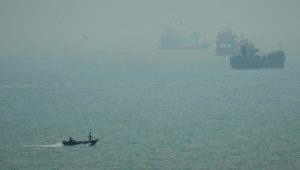
Since the war’s inception, Tehran has effectively closed the Strait of Hormuz, a vital passage for approximately 20 per cent of global crude oil and liquefied natural gas, as well as one-third of the world’s fertilisers.
This blockade has caused a sharp decline in energy supplies and a rise in prices, particularly affecting Asian countries. In response, major World Bank borrowers such as Bangladesh, Pakistan, and Indonesia have initiated extensive fuel-conservation programmes to protect essential industrial sectors.
Vulnerable regions have raised concerns about “income shocks” hitting households and businesses due to escalating costs. Beyond the immediate impact of reduced energy availability on economic growth, there are significant worries regarding food security caused by the freezing of fertiliser supply chains.
Earlier this week, the IMF cautioned that a major spike in food prices could severely harm low-income nations. According to an IMF report, residents of these countries are highly vulnerable because food represents roughly 36 per cent of their average spending, compared to 20 per cent in emerging markets and only nine per cent in advanced economies.
The IMF also warned that countries in the Middle East, South Asia, and Africa – many of which already face low foreign reserves and restricted market access – are at risk of “dangerous” debt crises.
Donohoe concluded that while the crisis originated in the energy sector, its ramifications could spread through entire national economies. He emphasised that the World Bank is prepared to support member states in their economic responses and is currently involved in “intense” discussions.