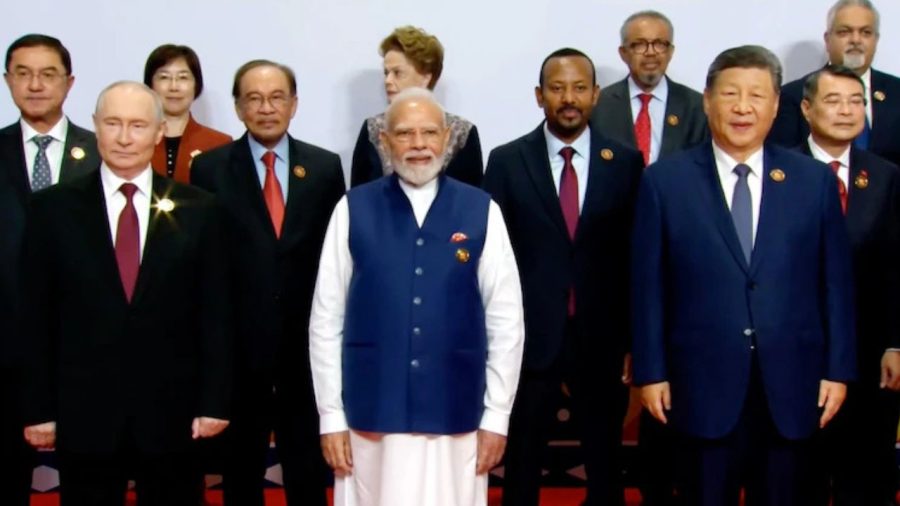

On Day 2 of the Brics Summit in New Delhi, leaders posed for a family photo, with Indian Prime Minister Narendra Modi at the centre, flanked by Russian President Vladimir Putin, Chinese President Xi Jinping and other world leaders.
The 11‑nation bloc, which includes China, Russia, Iran and India, overcame earlier divisions to issue a joint statement calling for calm in the Middle East, reports NDTV.
Xi told the summit the war “does not serve the common interests of the international community.”

Foreign ministers had failed to agree on a statement in May, with Iran, Saudi Arabia and the UAE split over the conflict that began with US‑Israeli strikes on February 28. But after intense diplomacy by host India, leaders adopted the New Delhi Declaration 2026 unanimously. “No member has raised any objection,” Modi announced.
Iranian President Masoud Pezeshkian, attending the summit after warning the region does not need the US as a “policeman,” also met Abu Dhabi Crown Prince Khaled bin Mohamed bin Zayed Al Nahyan on the sidelines.
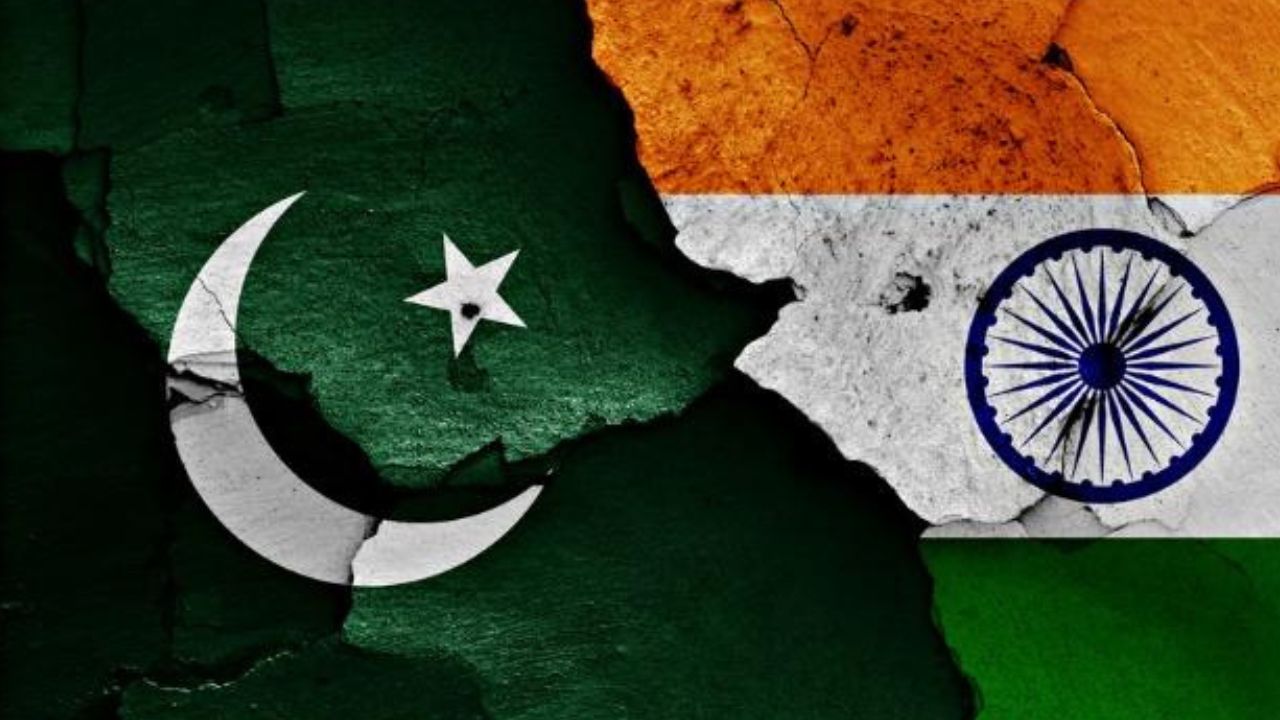


The declaration condemned terrorism in all forms, censuring cross‑border activities, financing networks and safe havens. It specifically denounced the April 22, 2025, terror attack in Jammu and Kashmir, reaffirming zero tolerance and urging adoption of the UN Comprehensive Convention on International Terrorism.
Members pledged deeper cooperation across political, economic and cultural pillars, stressing dialogue and diplomacy for conflict resolution. They voiced concern over illicit financial flows tied to narcotics, firearms trafficking and organised crime, calling for stronger cross‑border cooperation.
On trade, the bloc warned against unilateral tariff and non‑tariff measures that distort commerce, reaffirmed support for a WTO‑centred multilateral framework, and demanded revival of the WTO’s dispute settlement mechanism. The declaration condemned unilateral sanctions as contrary to international law and urged their termination.
India, chairing Brics in 2026 under the theme “Building for Resilience, Innovation, Cooperation and Sustainability,” positioned the consensus as a milestone in the bloc’s push for greater global influence.