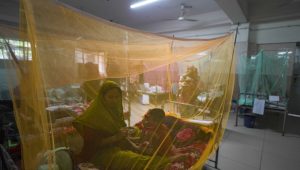
Nightfall in Dhaka no longer brings rest. Instead, it brings the familiar whine of mosquitoes that now echoes across nearly every neighbourhood of the capital. What was once considered a seasonal nuisance has turned into a citywide crisis, as the density of mosquitoes has surged dramatically in recent months.
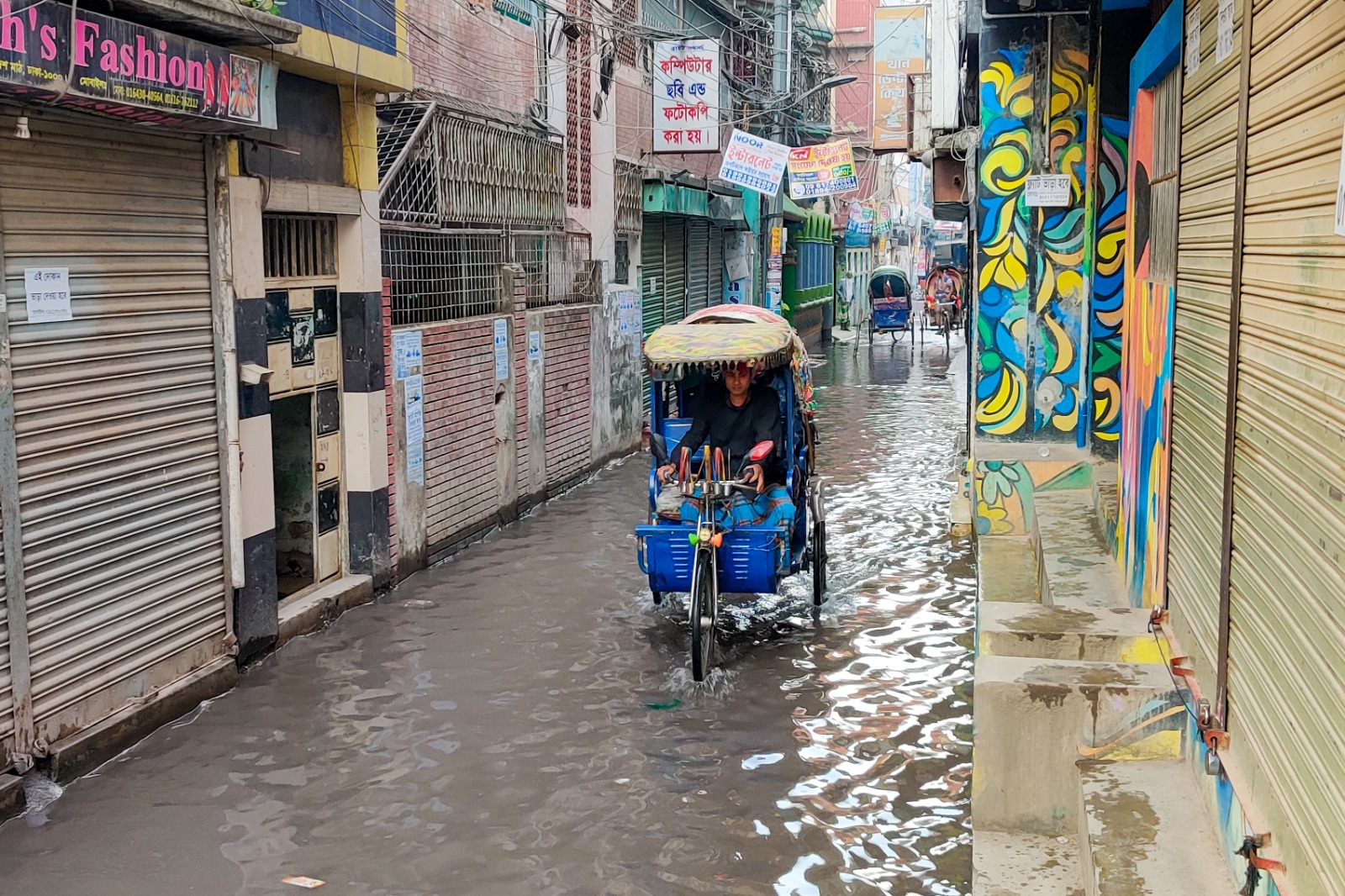
Recent surveys indicate that mosquito density in Dhaka rose by nearly 40 per cent in February, with experts confirming an alarming spike in the population of Culex mosquitoes. Unlike the more widely discussed Aedes mosquitoes, which transmit dengue, Culex mosquitoes are notorious for spreading filariasis and for creating relentless nighttime infestations that deprive residents of sleep.
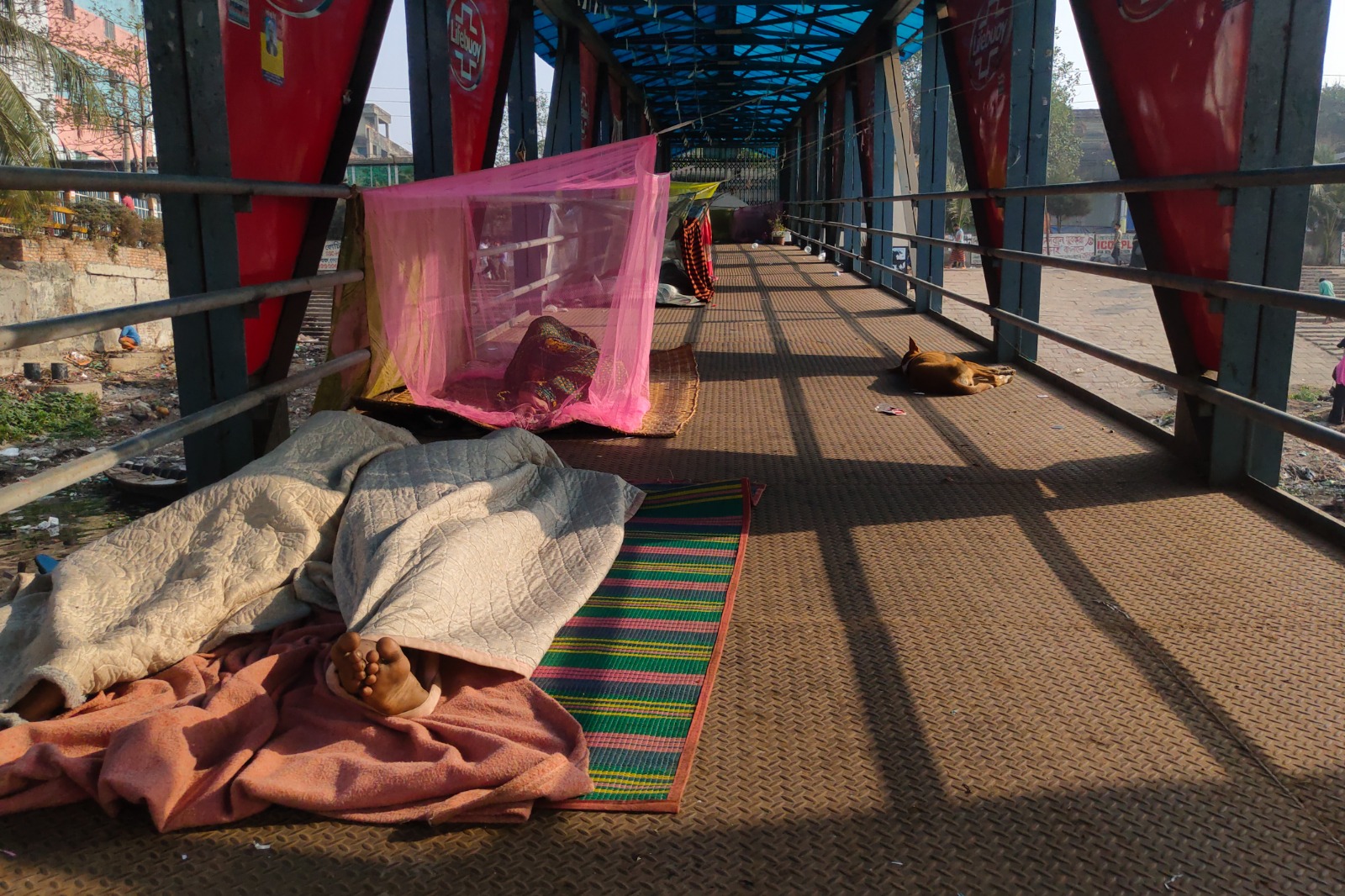
Across the city, residents say the problem has become impossible to ignore. Even inside homes, people report being surrounded by swarms despite burning coils, plugging in electric repellents and spraying insecticides. In many households, mosquito nets are once again becoming a nightly necessity.

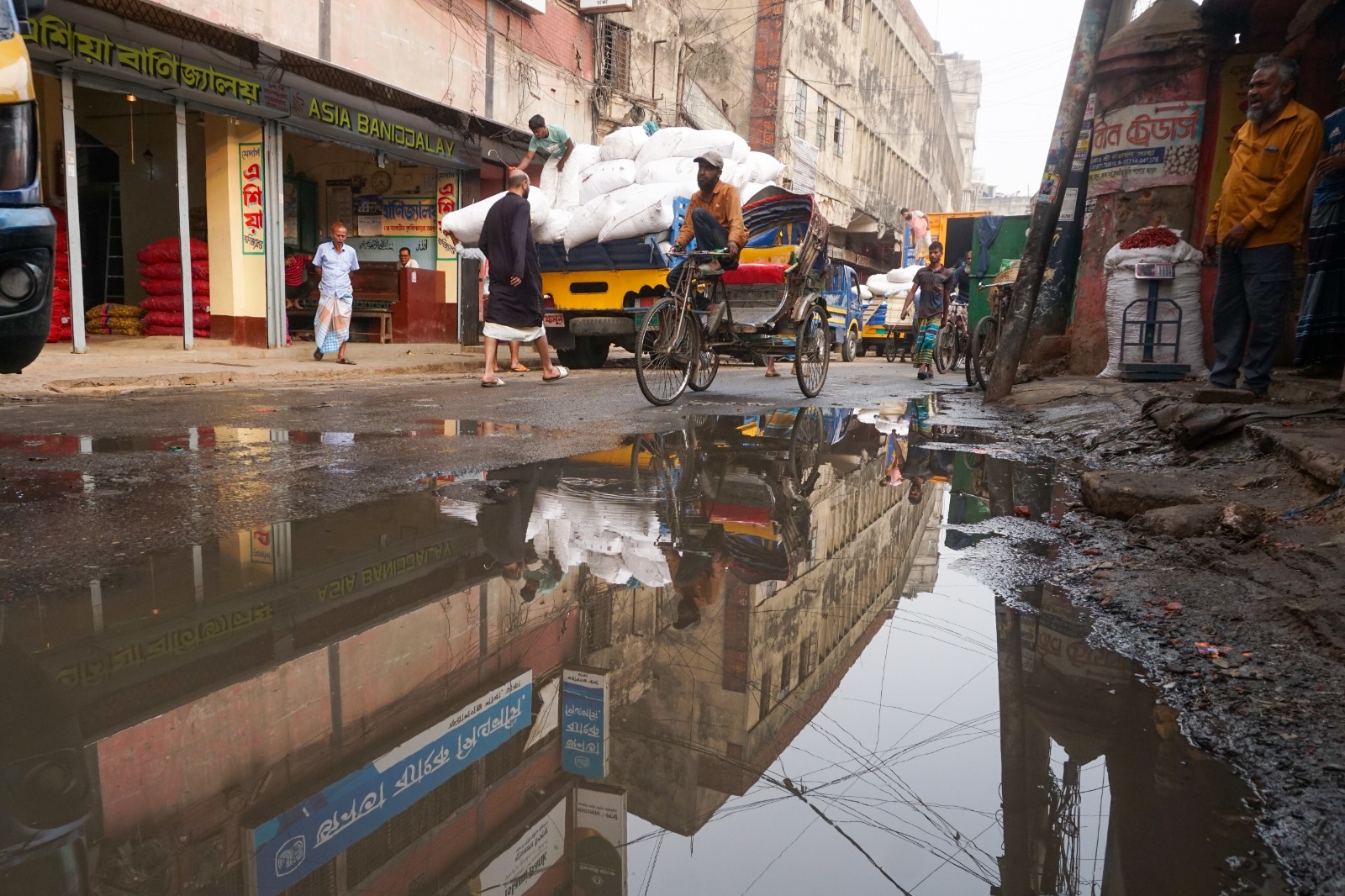
The situation is especially worrying in densely populated areas where drainage systems are weak, and stagnant water collects in roadside drains, construction sites and clogged canals. These conditions provide ideal breeding grounds for Culex mosquitoes, allowing their numbers to multiply rapidly.




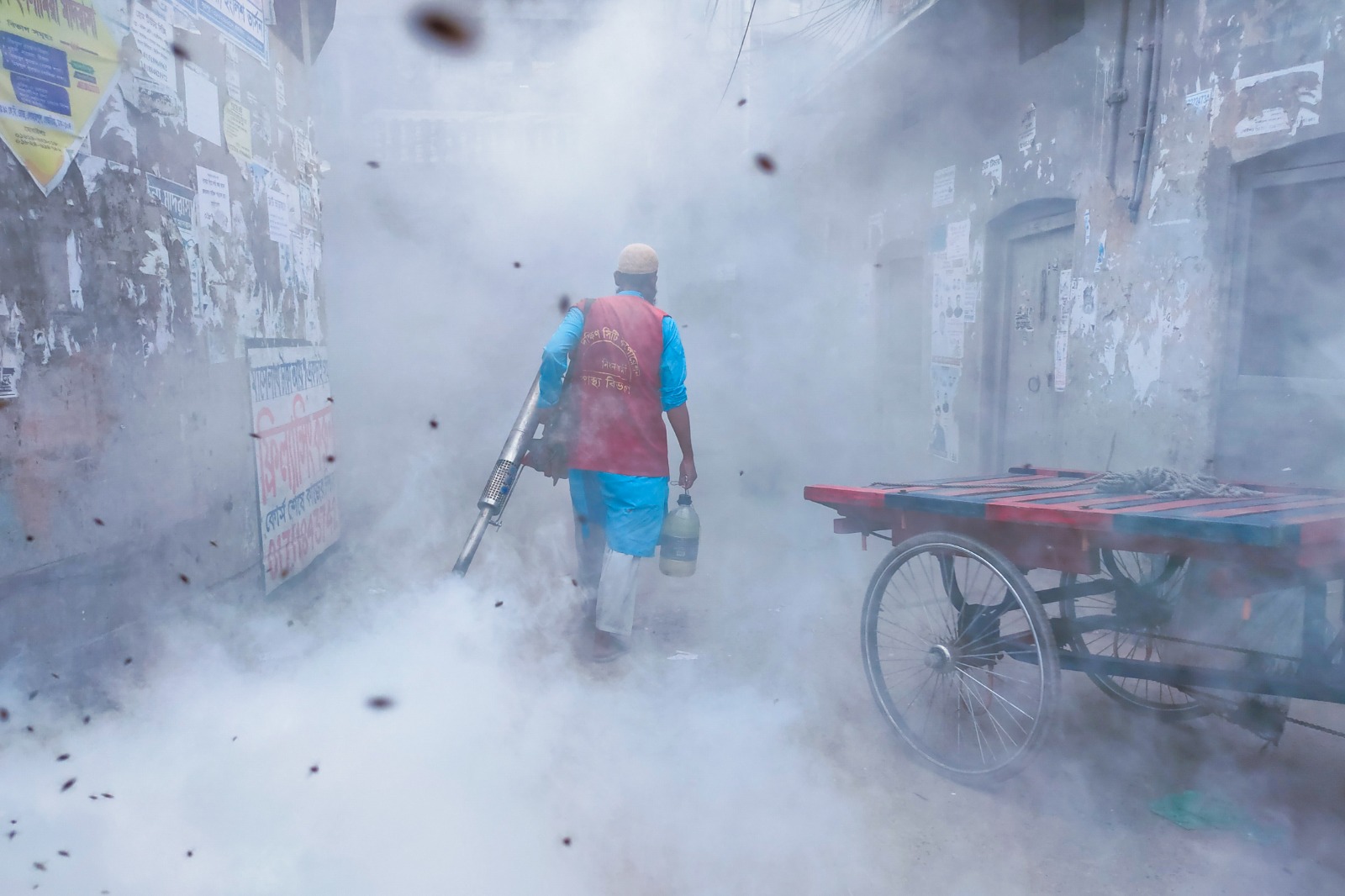
City authorities have responded by intensifying mosquito control efforts. Fogging machines are now a common sight in narrow streets and residential lanes, releasing clouds of insecticide to reduce mosquito populations. Yet many residents remain sceptical about the effectiveness of these measures, arguing that fogging alone cannot solve the deeper problem.
Public health experts share similar concerns. They emphasise that mosquito control cannot rely solely on periodic spraying. Poor waste management, blocked drainage systems and uncontrolled urban development continue to create the perfect environment for mosquito breeding.
Meanwhile, hospitals are already witnessing an increase in patients complaining of mosquito-borne illnesses and severe allergic reactions to bites. Although dengue cases have slightly declined compared to late 2025, specialists warn that the threat of both dengue and chikungunya remains if mosquito populations continue to grow unchecked.
Frustration among citizens is mounting. Without long-term urban planning reforms, improved drainage systems and stronger waste management policies, Dhaka’s mosquito crisis may soon become a permanent part of city life. For millions of residents, the buzzing in the dark has already become a nightly reminder of a deeper urban problem.