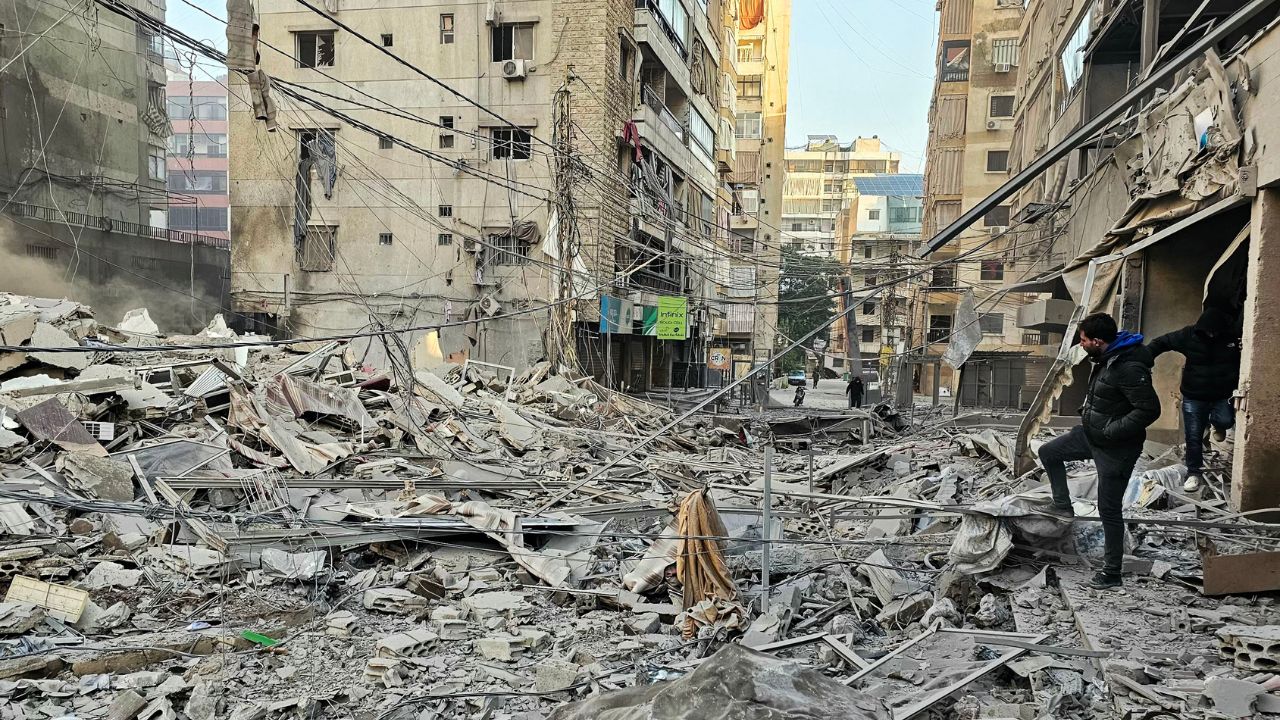



The ongoing Gulf conflict has entered a more destructive phase, with Iranian authorities reporting that nearly 800 civilians have been killed and more than 5,000 wounded since the start of the joint US-Israeli assault on Saturday.
Strikes have hit multiple cities, including Tehran and Isfahan, with hospitals, security facilities and state infrastructure among the sites affected.
Iranian officials say nine hospitals have been damaged, some in densely populated areas, forcing emergency evacuations of patients in critical condition. The country’s state broadcaster was also struck overnight, according to sources close to the government.
Explosions have been reported intermittently across the capital and other major urban centres, while Israeli forces have issued evacuation warnings for industrial zones in Tehran and for areas near Payam International Airport in Karaj, signalling further imminent attacks.
The health ministry in Tehran described scenes of chaos, with wounded civilians arriving at overstretched medical facilities. Authorities have not released detailed information about specific military targets, but sources indicate that security headquarters were among the locations hit.
Iran has responded with sustained missile and drone attacks targeting Israel and US-linked assets across the Gulf. The Israeli military reports missile interceptions over West Jerusalem, Tel Aviv and Eilat, with at least 10 people killed in Israel since Saturday. Additional strikes in central Israel have wounded several civilians, damaging buildings and infrastructure.

Beyond Israel, Iranian attacks have struck energy infrastructure across Gulf states. In Qatar, the state-owned petroleum company suspended liquefied natural gas production after two facilities were hit. The disruption has intensified global energy market volatility, pushing oil and gas prices sharply higher.
Iran’s Revolutionary Guard Corps has declared the Strait of Hormuz “closed”, warning that vessels attempting to pass through the vital shipping lane would be targeted. Roughly one-fifth of the world’s oil consumption normally transits through the strait. Iraqi officials have warned that oil exports could be severely curtailed if tanker movement remains restricted, with storage facilities in southern ports nearing capacity.
In the United Arab Emirates, authorities say three people were killed and 68 injured by Iranian missile attacks, with 186 missiles reportedly launched towards the country.
Elsewhere, Iran’s Islamic Revolutionary Guard Corps said it had struck targets in northern Iraq’s Kurdish region, claiming they were linked to hostile groups planning cross-border operations.




Iranian drones have struck the US Embassy compound in Riyadh, causing a limited fire and minor structural damage, according to Saudi authorities. The US Embassy issued warnings of further potential attacks in eastern Saudi Arabia.
In Kuwait City, the US closed its embassy following aerial attacks. The death toll of US servicemen from an earlier Iranian attack has now risen to six. US officials confirmed that an Iranian missile strike on a military facility in Kuwait killed six soldiers after breaching air defences and hitting a bunker. The deaths mark the deadliest confirmed US military losses since the escalation began.
Washington has ordered the evacuation of non-essential diplomatic personnel from several countries in the region amid concerns of further Iranian strikes.
The conflict has also deepened along the Lebanon-Israel border. The armed group Hezbollah says it struck an Israeli Merkava tank in the occupied Kfarshouba hills and shot down an Israeli drone over Nabatieh.
Israel has launched fresh air raids on Beirut’s southern suburbs and confirmed it is expanding ground operations inside southern Lebanon, carving out what it describes as a buffer zone.
Lebanon’s Health Ministry reports at least 40 people killed and 246 wounded in Israeli attacks since Monday, revising earlier figures due to what it called a technical error.
The head of the International Atomic Energy Agency, Rafael Grossi, said inspectors had found no evidence of a coordinated Iranian programme to build nuclear weapons, despite Israeli and US claims. However, he confirmed that Iran has enriched uranium to 60 percent purity — well beyond civilian energy requirements — and described the stockpiling as a source of serious concern.
Iran’s ambassador to the United Nations in Geneva, Ali Bahreini, said Tehran would continue defending itself until what it called aggression stops, casting doubt on the usefulness of negotiations.
US President Donald Trump has ruled out talks for now, saying the military campaign could last about four weeks and vowing to dismantle Iran’s missile and nuclear capabilities.
Russia’s Foreign Minister Sergey Lavrov has warned that continued strikes could trigger a wider nuclear arms race in the region, while also stating that Moscow has seen no evidence that Iran was developing nuclear weapons.
Financial markets have reacted sharply. US stocks opened significantly lower, with the Dow Jones Industrial Average falling 1.7 percent in early trading, while the S&P 500 and Nasdaq also posted steep declines amid fears of prolonged instability and higher energy costs.
Tourism analysts warn the conflict could cost the Middle East up to $60bn in lost visitor spending if violence continues, potentially reducing international arrivals by as much as 27 percent next year.
Meanwhile, European gas prices have surged by more than 30 percent since the fighting began, and Indian importers have begun reducing industrial gas supplies in anticipation of tighter Middle Eastern exports.
Israeli Prime Minister Benjamin Netanyahu has characterised the campaign as swift and decisive, while Trump insists Washington will “do whatever it takes” to achieve its objectives. Iranian President Masoud Pezeshkian, however, says the country remains operational despite the bombardment and that state functions continue nationwide.
As attacks and counterattacks intensify across multiple fronts, diplomatic prospects appear dim, and the humanitarian toll continues to rise — raising fears that a regional war could become even more entrenched.