


After decades of acrimonious politics over ruling the country and losing trust in elections, Thursday’s parliamentary vote marks a new beginning of for political change.
Analysts point to early signs of a shift from confrontation to tolerance, mutual respect and more civil engagement.
The post-election exchanges between rival political leaders have stood out in a landscape long defined by division.
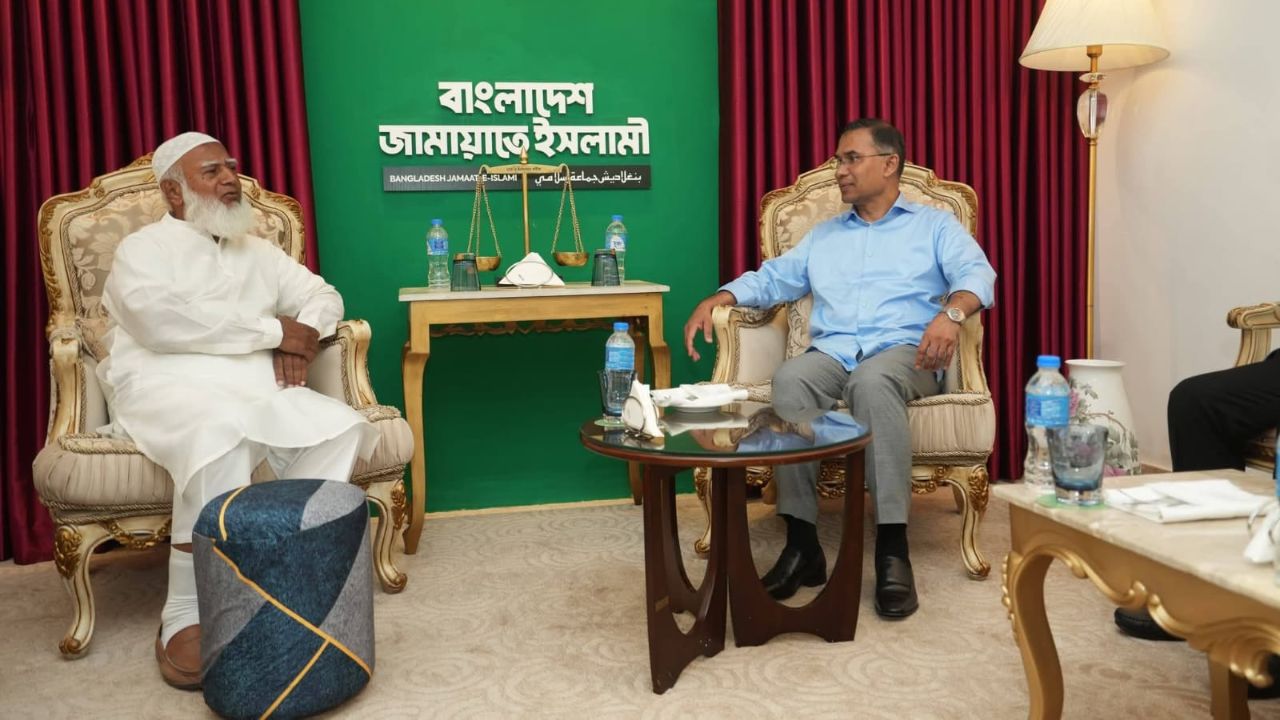
Despite a landslide victory, BNP Chairman Tarique Rahman visited the homes of leaders from opposing parties — a gesture that has drawn attention across the political spectrum.
On Friday, he met Bangladesh Jamaat-e-Islami Ameer Shafiqur Rahman. Around the same time, as part of post-election outreach, he paid a courtesy call on National Citizen Party (NCP) Convener Nahid Islam.

Historians and political observers note that since independence, Bangladesh’s politics has often been shaped by intense rivalry and mistrust. Violence, boycott strategies and suspicion have repeatedly influenced political culture.
Political analyst Professor Dilara Choudhury described the development as “a new dimension” in national politics.




“After the 1991 election, we saw some cordiality between government and opposition. That later disappeared. But visiting the opposition leader’s residence before forming a government has never happened before. We hope this continues in parliament,” she said.
She added that the respect shown among candidates in several constituencies after the vote “reflects the true culture of democracy”.
Bangladesh’s social tradition is rooted in coexistence, rural solidarity and communal harmony. Analysts argue that if national politics mirrors these traits, democratic stability could be reinforced.
Professor Sabbir Ahmed of Political Science at the Dhaka University told TIMES that such post-election courtesy is routine in established democracies.
“In mature systems, political competition exists, but respect for institutions and democratic processes remains intact. If this culture takes root in Bangladesh, it could enhance political stability and serve the national interest,” he said.
Grassroots signals
Similar gestures have emerged at constituency level. In several areas, winning candidates visited defeated rivals. Many publicly thanked opponents and expressed willingness to collaborate on local development.
Observers say such conduct could help normalise competitive yet respectful politics at the grassroots.
A turning point?
Analysts argue the election was not only about forming a government but may also signal a broader cultural reset.
Replacing conflict-driven politics with a competitive but tolerant model, they say, would strengthen democracy.
If post-election civility endures, a new political norm may emerge — one where disagreement exists without hostility and competition does not slide into vengeance.