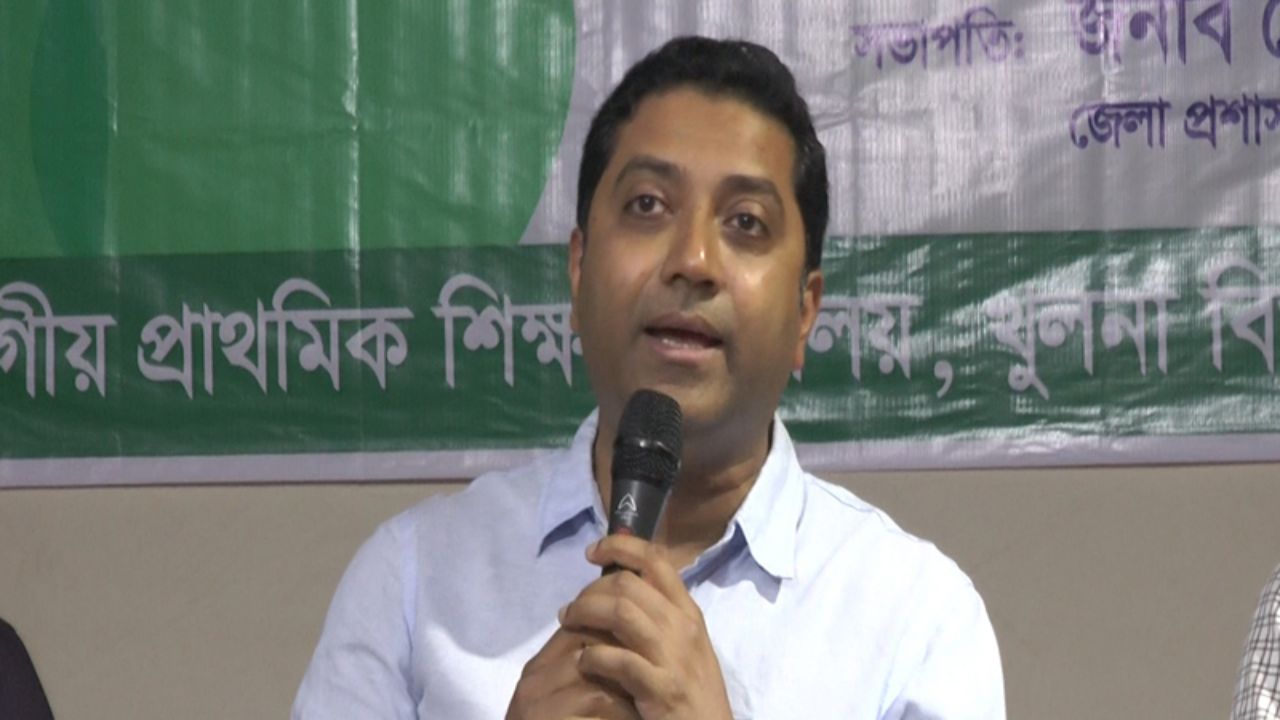
Once a figure on the margins of the political landscape, Shafiqur Rahman, the ameer of Jamaat-e-Islami, has emerged as a serious contender for the office of Prime Minister as Bangladesh prepares for national elections on February 12.
The 67-year-old physician, who has led the country’s largest Islamist party since 2020, is currently fronting a Jamaat-led alliance in a high-stakes electoral battle.
This election marks the first national poll since the student-led uprising in 2024 that resulted in the ousting of former Prime Minister Sheikh Hasina.
A swift political ascent
Following the 2024 uprising, the political landscape for Jamaat-e-Islami shifted significantly. Under the previous administration, the party faced a severe crackdown, with its top leaders jailed or executed for 1971 war crimes, and the party itself was driven underground.
Shafiqur was arrested in 2022 and served 15 months in prison for allegedly assisting a banned militant outfit.

However, the interim government led by Nobel laureate Muhammad Yunus eased restrictions shortly after Hasina’s departure to India. By 2025, a court lifted the ban on the party, allowing it to re-emerge publicly.
Since then, Shafiqur has capitalised on a political vacuum, gaining visibility through charitable outreach, flood-relief efforts, and extensive nationwide travel.
Professional and personal background
Born in 1958 in Moulvibazar, Shafiqur’s political career began with a leftist student organisation before he transitioned to Jamaat’s student wing, Islami Chhatra Shibir. He formally joined Jamaat-e-Islami in 1984.


While he was unsuccessful in his bids for parliament in 1996, 2001, and 2018, he rose through the ranks to become the party’s Ameer in 2020.
Shafiqur comes from a family of medical professionals; his wife, Amina Begum, is a doctor and former member of parliament, and their three children are also doctors. He serves as the founding chair of a family-owned hospital in Sylhet.
Campaign and vision
The Jamaat coalition is expected to present a formidable challenge to the frontrunning Bangladesh Nationalist Party (BNP), led by Tarique Rahman.
To broaden its appeal, Jamaat has allied with the Gen Z-led National Citizen Party and has used modern campaign tactics, including posters referring to Shafiqur as “Dadu” (grandfather).
Shafiqur has attempted to project a moderate image, focusing on anti-corruption, social justice, and governance “based on Islamic values.” He has publicly stated that the party is “flexible” and “reasonable,” promising equal treatment for all religious groups.
Controversies and criticisms
Despite his rising popularity, Shafiqur remains a polarising figure. Critics and moderates point to the party’s historical opposition to Bangladesh’s 1971 independence from Pakistan.
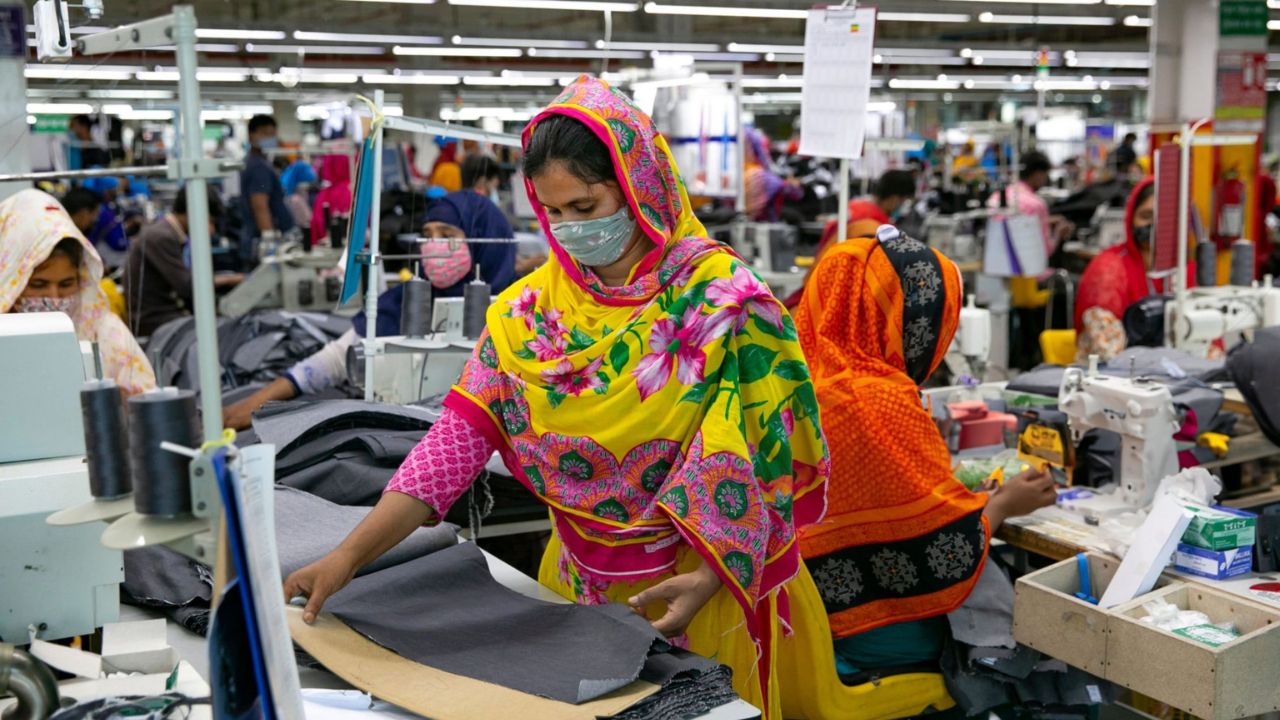
His views on women’s roles have sparked significant backlash. Shafiqur has suggested that women should work no more than five hours daily to focus on family.
A social media post attributed to him, which characterised women working outside the home as a “form of prostitution,” led to university protests, though the party later claimed his account had been hacked.
Notably, Jamaat has not fielded any female candidates for the upcoming election.
As the February 12 polls approach, the rise of Shafiqur signals a potential shift in the country’s governance, as he seeks to lead the first Islamist-led government in the history of the world’s eighth-most populous nation.