
Air pollution in Bangladesh is no longer an abstract fear. It is lived every day, and the numbers tell a grim story.
Brick kilns sit at the heart of the problem. For years, they have choked the air around cities. Studies show they release massive amounts of toxic smoke and dust. In and around Dhaka, earlier research found that brick kilns accounted for up to 58 per cent of particulate matter pollution. These tiny particles slip deep into the lungs.
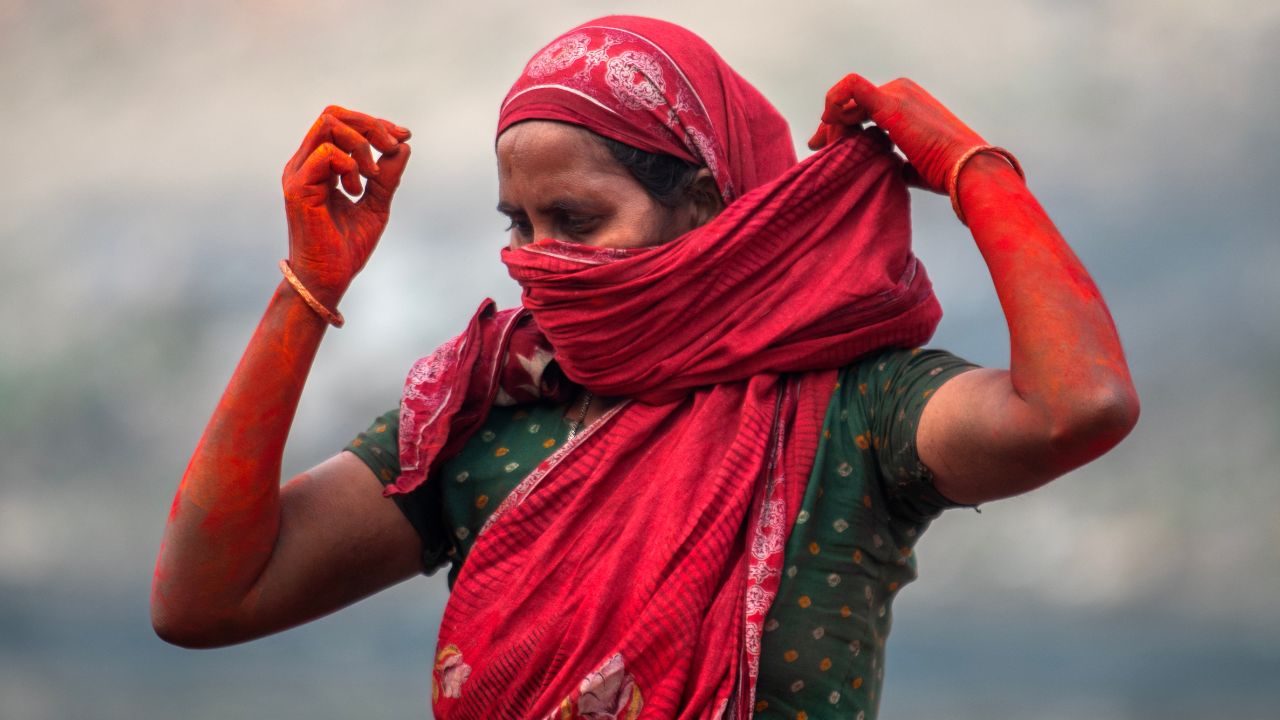
There are thousands of kilns across the country. Many still burn coal and wood. Every year, they release carbon monoxide, sulfur dioxide, nitrogen oxides and black carbon. The smoke spreads far beyond the kiln sites, and whole communities breathe it in.

Vehicles make things worse. Dhaka’s roads are packed with cars, buses, trucks, motorcycles and auto-rickshaws running nonstop. A Dhaka University study found that vehicle exhaust causes around half of the city’s air pollution. Every ignition releases toxic gases and fine particles. Traffic jams turn streets into pollution traps.




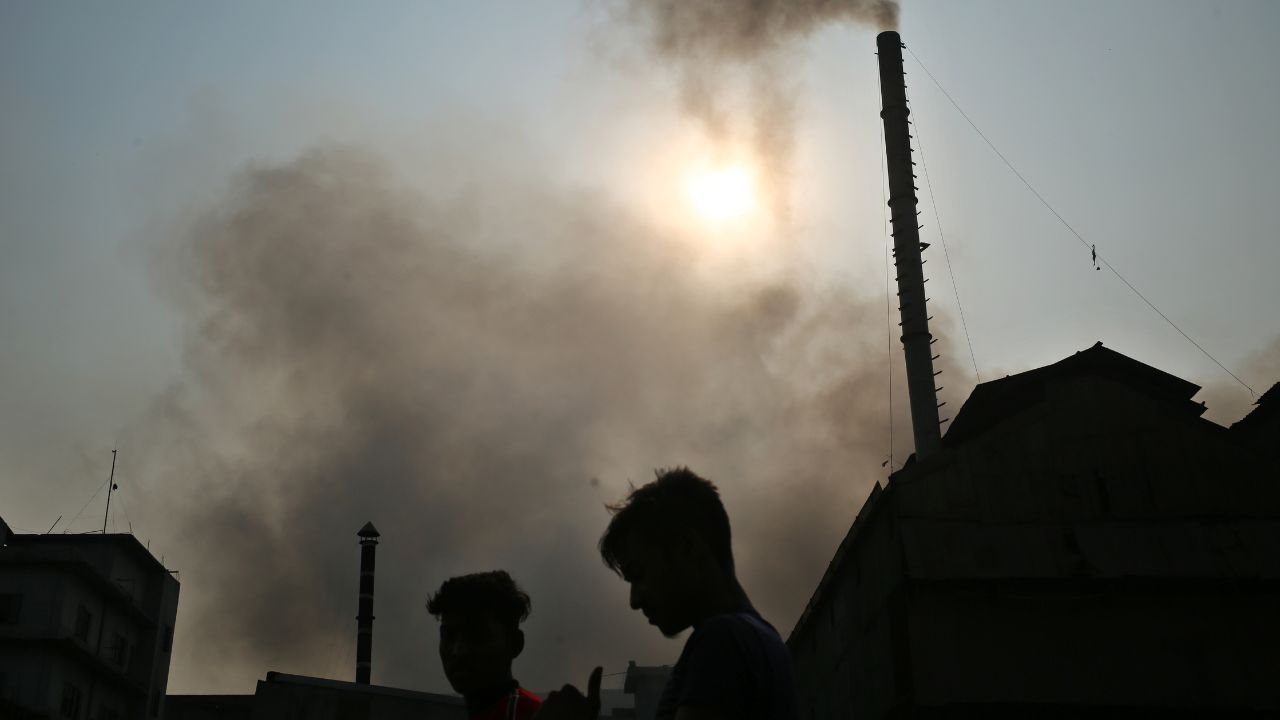
Industries add another heavy layer. Large factories burn fossil fuels day and night. They release sulfur oxides, nitrogen oxides and carbon gases in huge volumes. These emissions thicken the air and react with other pollutants. The result is more smog and more health risks.
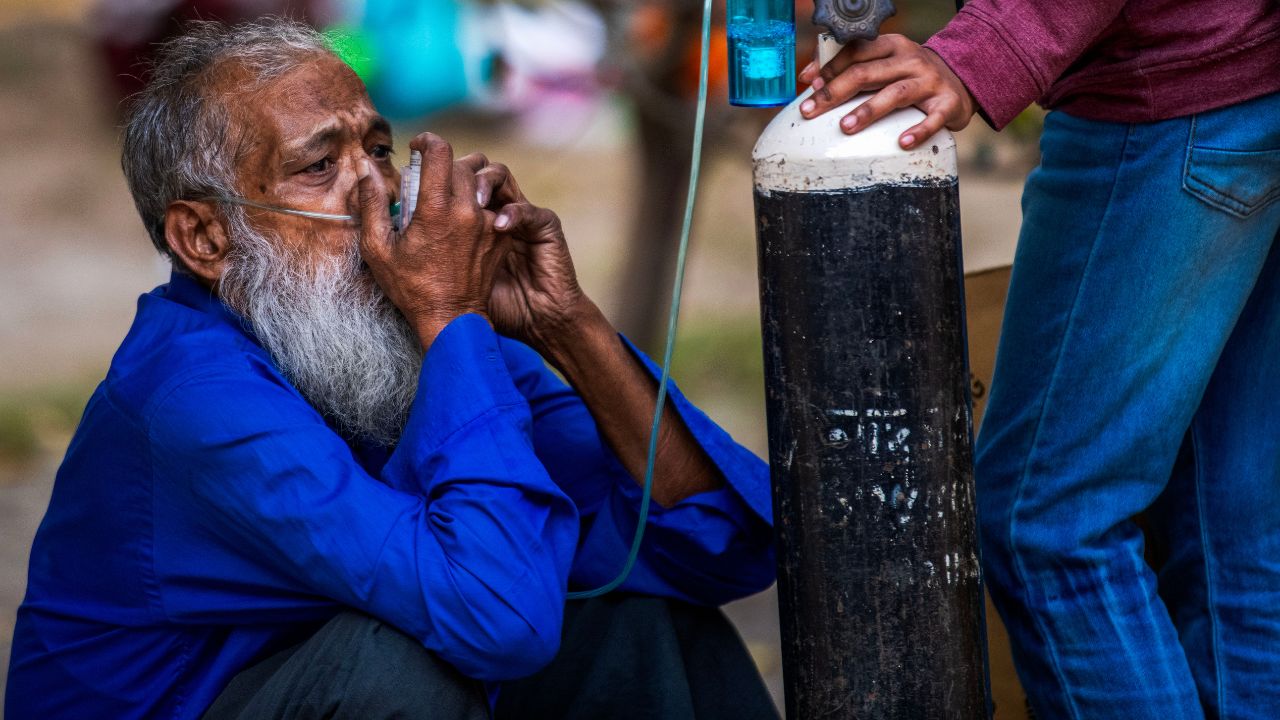
Different studies show slightly different pictures, but the bottom line is the same: brick kilns, vehicles and industries are among the top sources of pollution in Bangladesh’s air.
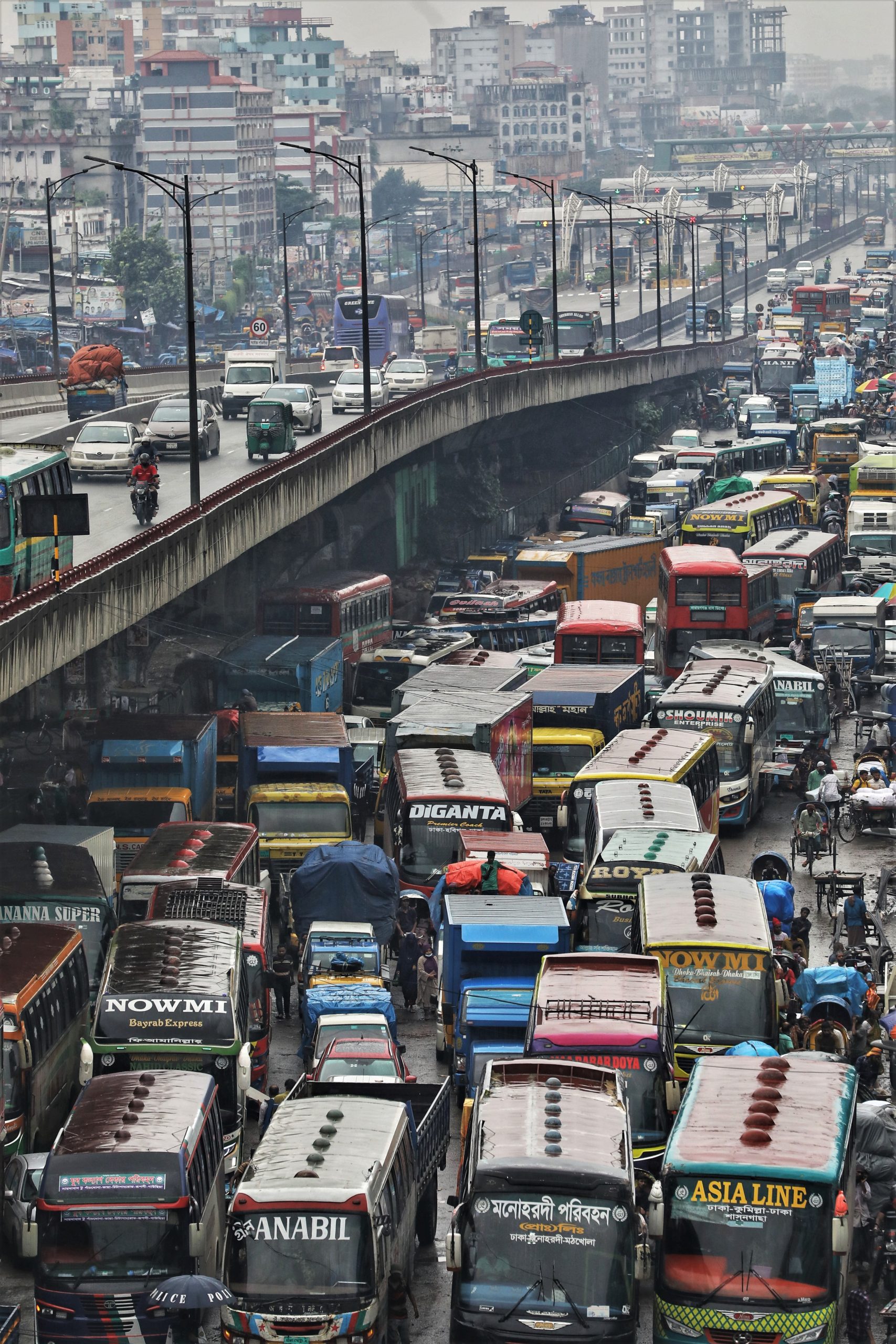
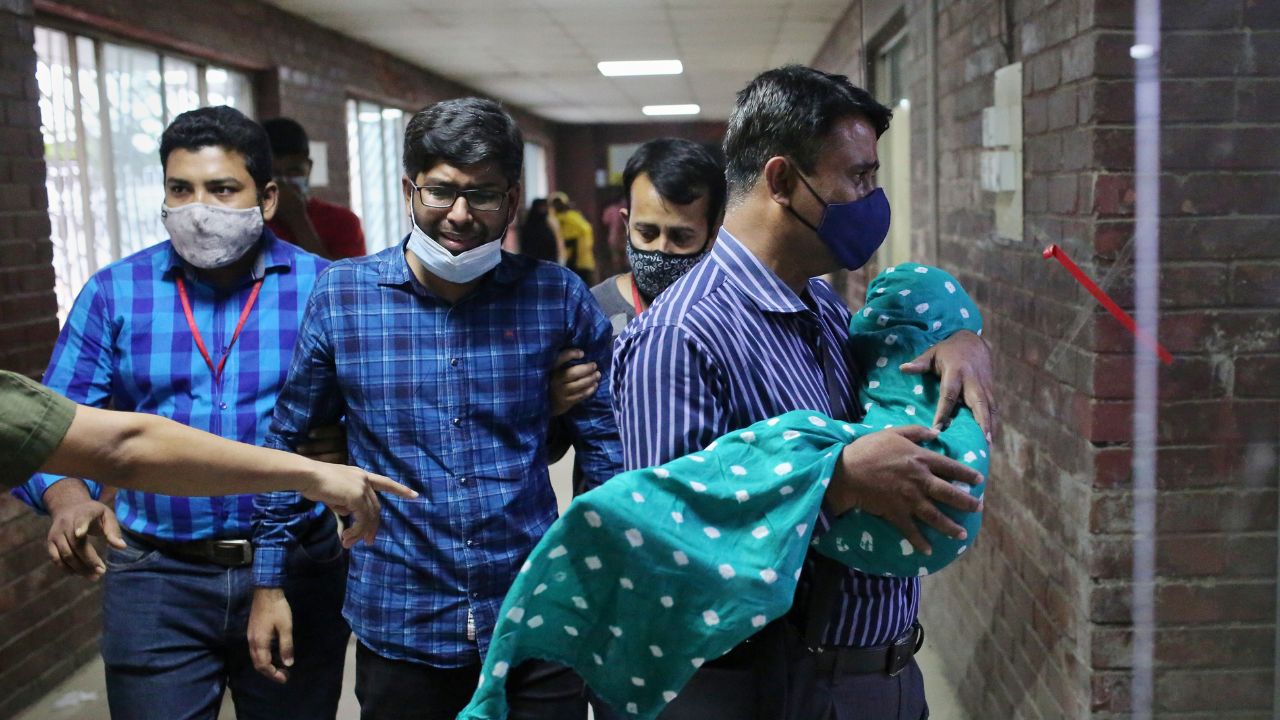
These pollutants don’t stay invisible. They damage lungs, worsen heart and respiratory diseases, and shorten lives. Bangladesh loses thousands of lives each year due to air pollution. Even global studies have shown that air pollution has cut average life expectancy for Bangladeshis by several years.
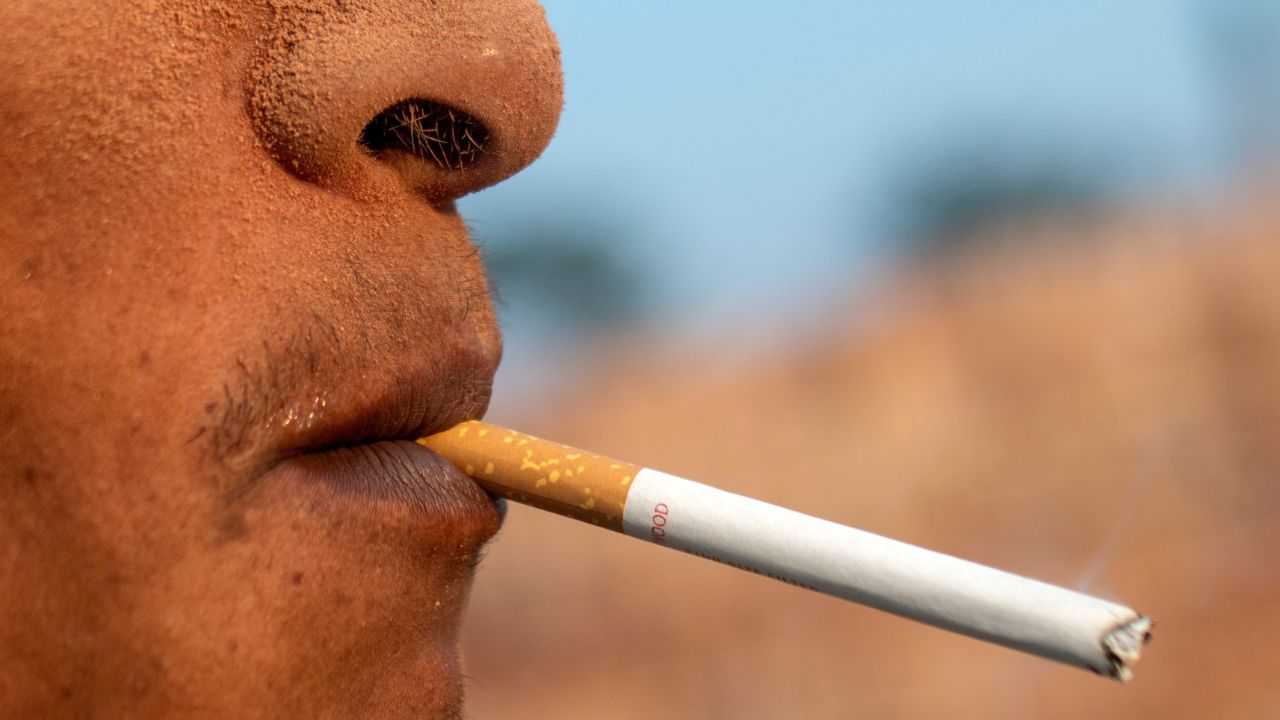
To clean our air, we must tackle brick kiln emissions, cut vehicle smoke, and enforce clean standards in industries. Without that, the air we breathe will continue to be toxic.