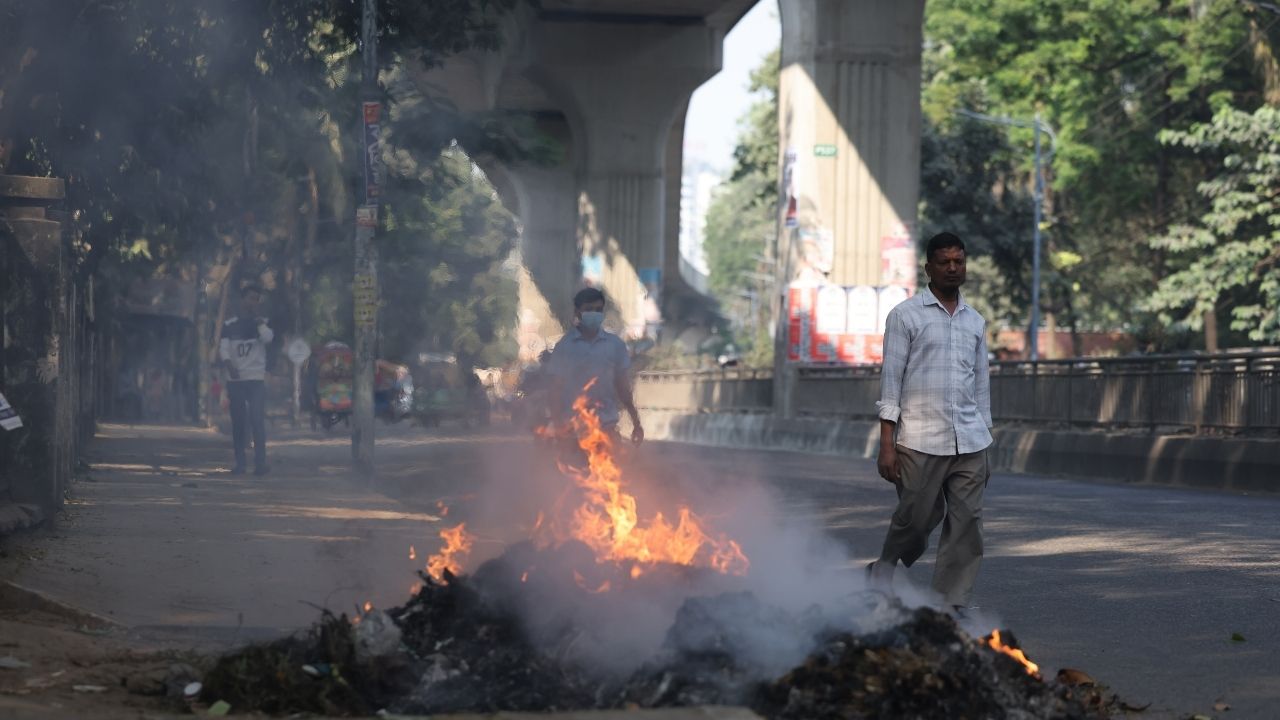



In Bangladesh, fire is everywhere: on roadsides, behind markets, beside rivers, under flyovers, in front of schools and hospitals. Plastic, polythene, old clothes, medical and household wastes are burned openly every day. Black smoke rises. People cough, children walk past it, traffic slows, then moves on. No one stops.
Public burning has become routine, normal and invisible. But it is illegal. Bangladesh has clear laws against open burning. The Bangladesh Environment Conservation Act, 1995, prohibits activities that pollute the air and harm public health. The Environment Conservation Rules, 1997, empower authorities to penalise offenders. The Solid Waste Management Rules, 2021, clearly ban open burning of waste in public spaces. City corporations are responsible for collection and safe disposal.
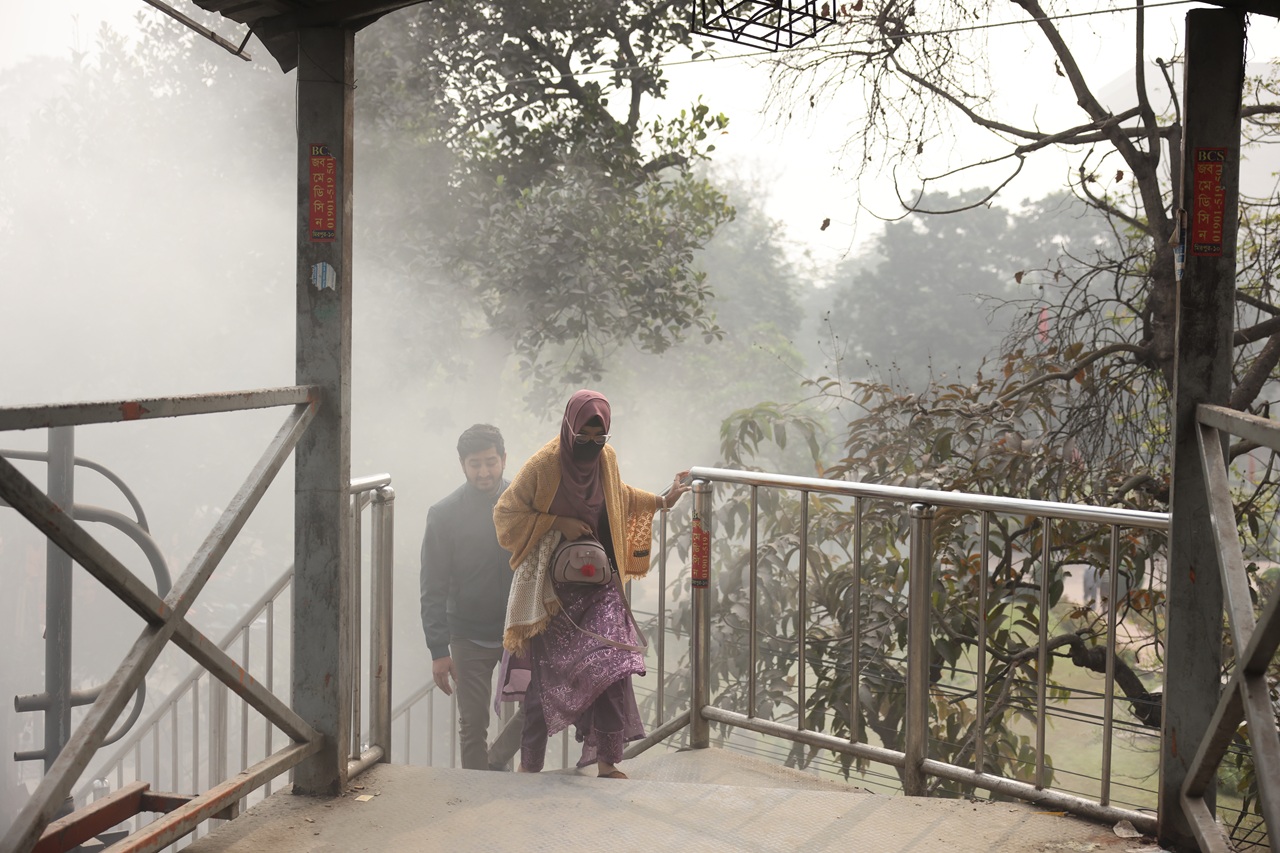
On paper, the law is strong, but in reality, it’s not. In Dhaka, Chattogram, Narayanganj, Gazipur or any cities around Bangladesh, waste is often burned because it is easier than collecting it. Market vendors burn piles at dawn. Informal waste handlers light fires to reduce volume. Construction sites burn debris while slums burn waste to clear space. Sometimes, even institutions do it.

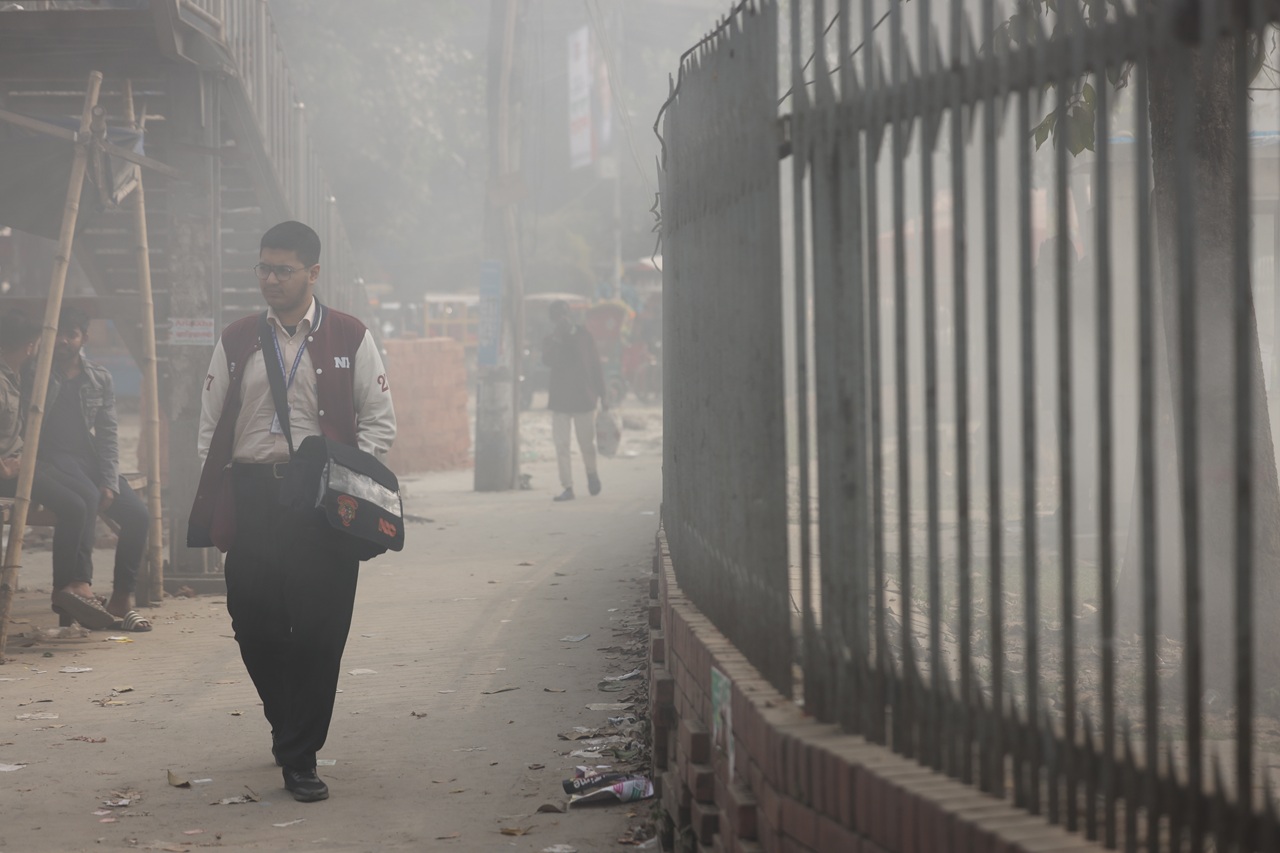
No warning signs or protective gear. No concern for wind direction. The smoke does not ask who you are. It enters homes, schools, and hospitals. It mixes with traffic fumes and brick kiln dust. It settles in lungs already struggling to breathe.
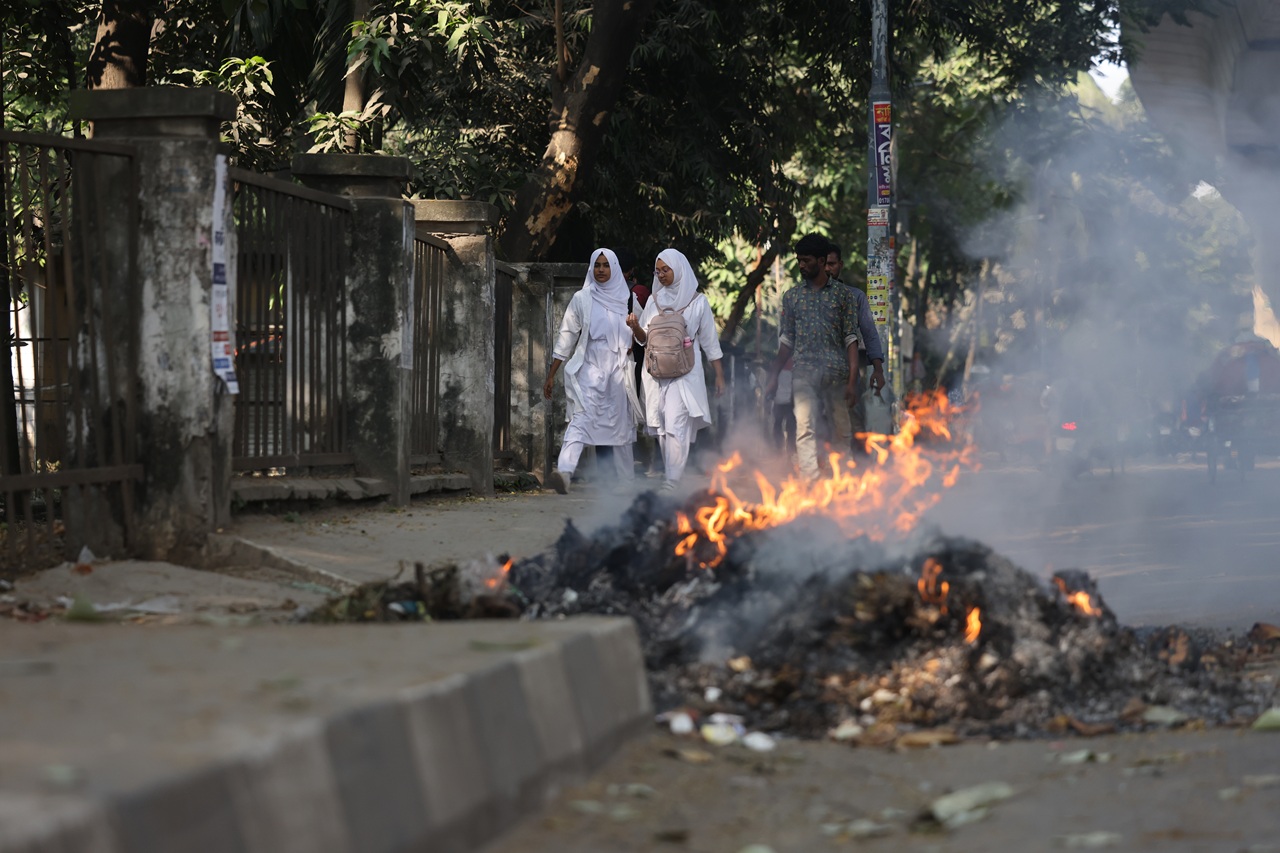
Doctors say it worsens asthma, triggers heart problems, damages children’s lungs and increases long-term cancer risk. But these warnings stay inside seminars and reports. Outside, the fires keep burning.




Why is the law ignored? Because enforcement is weak. Environmental courts exist, but cases are rare. Mobile courts appear occasionally, mostly during special drives. Fines are small, and monitoring is inconsistent. Responsibility is scattered between city corporations, environment departments and local administrations. The people of the country have accepted it.
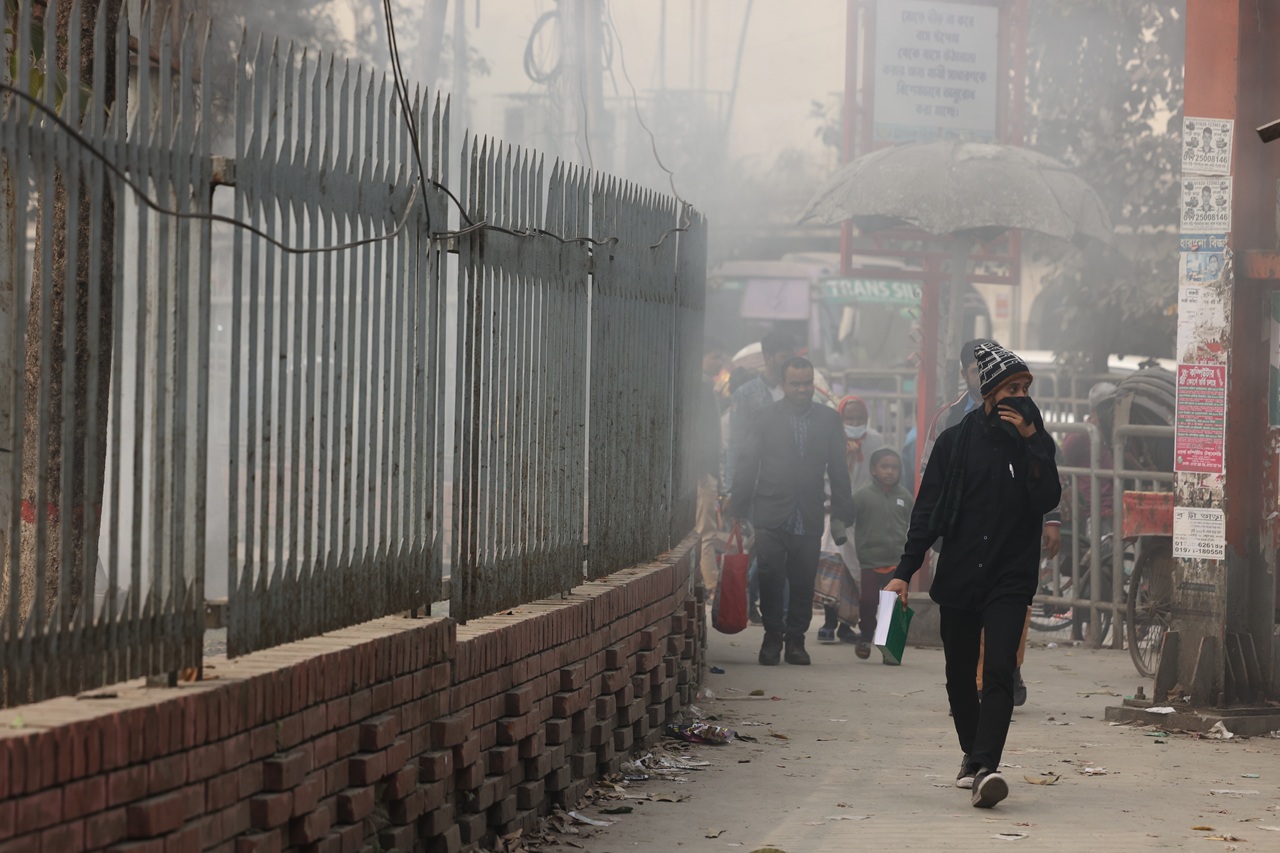
Many do not even know it is illegal. Others know but feel helpless. When garbage is not collected, burning becomes the last option. When authorities look away, citizens learn to do the same. This silent acceptance is the real danger.
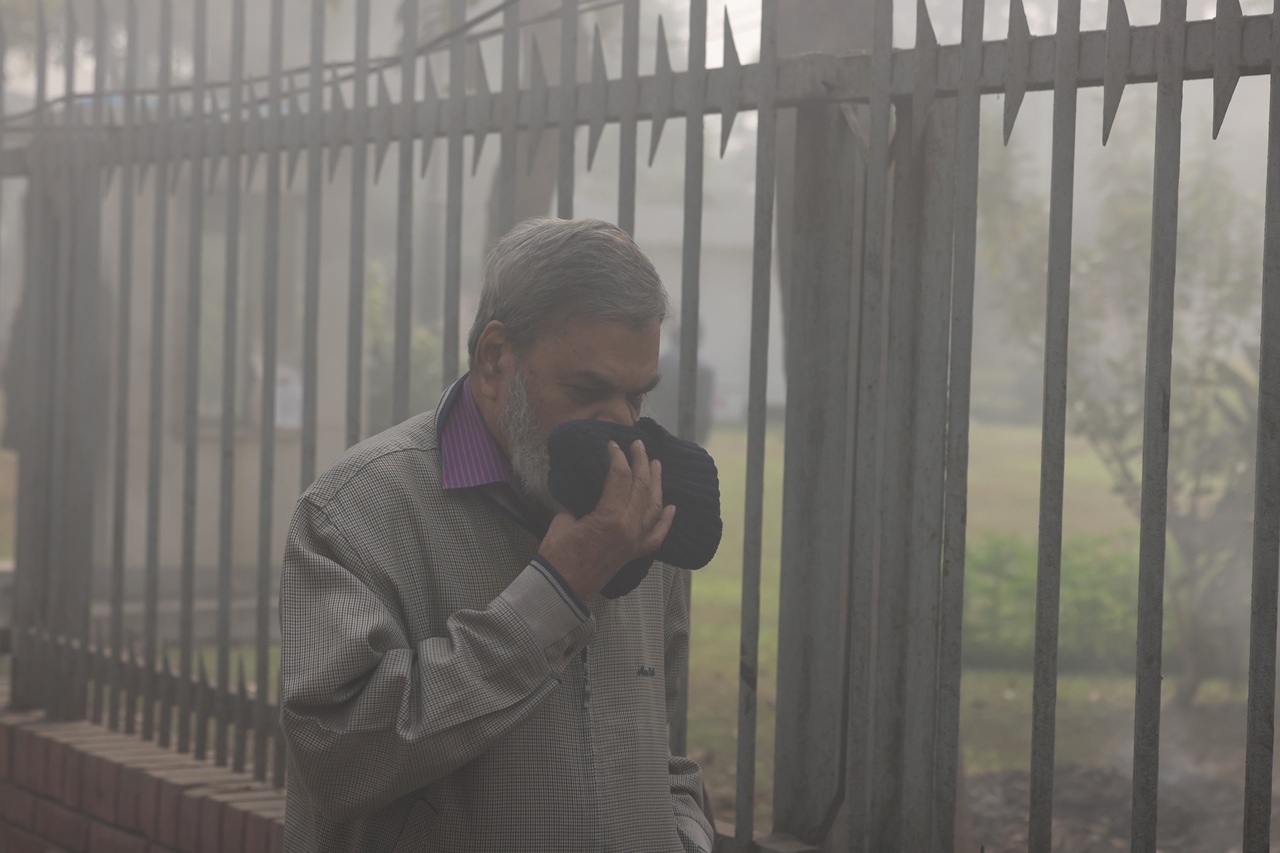
Public burning is not just about waste. It reflects how easily public health is sacrificed. How laws fail without accountability. How smoke becomes part of the landscape.
Clean air is a right, not a privilege. Laws are meaningless if they stay on paper. Fires will not stop unless enforcement becomes visible, consistent and strict. Until then, Bangladesh will keep breathing smoke and calling it normal.