The Border Guard Bangladesh (BGB) is on high alert along the Bangladesh frontier as Myanmar votes in the election.
Fear, uncertainty, and an atmosphere of distrust have gripped the neighbouring country over the election being held under military junta. The ongoing conflict across Myanmar is having a direct impact on Bangladesh’s border areas as well.
The terrifying sounds of shelling and airstrikes in Rakhine State have been spreading panic among the communities in the bordering areas of Cox’s Bazar and Bandarban.
Under this context, reassuring the people of Bangladesh, the BGB has stated that the border situation is being closely monitored.
Ukhiya Battalion (64 BGB) Commander Lieutenant Colonel Jasim Uddin said, “Sounds of explosions inside Myanmar were heard between 10:38pm and 10:55pm last night. Considering the situation, patrols and intelligence surveillance along the border have been intensified.”
Teknaf Battalion (2 BGB) Commander Lieutenant Colonel Ashikur Rahman told TIMES of Bangladesh, “Although sounds of explosions and gunfire have been heard in some areas due to the ongoing conflict across the Myanmar border, there has been no incidents on Bangladeshi soil.
“The border situation is under the BGB’s constant surveillance. There is no opportunity for infiltration or any breach of security.”
After nearly five years, the election is being held in Myanmar on Sunday. This is the first election in the country since the 2021 military coup, which has been ravaged by civil war.

However, the country’s people are terming this vote, organised under the supervision of the military junta as “farce” and “fraudulent.”
Several sources reported that there was no enthusiasm even among the people present at the election rally of junta-backed Union Solidarity and Development Party (USDP) candidate retired Lieutenant General Tayza Kyaw in the Aungmyaythazan constituency of Mandalay city.
Ordinary people consider speaking to journalists under the surveillance of military intelligence and in an authoritarian environment at the rally to be risky. Although many families affected by the earthquake went there hoping for assistance, they quickly left as soon as the rally ended.
With Myanmar’s most popular political party, the National League for Democracy (NLD), banned and its leader Aung San Suu Kyi imprisoned, questions have also been raised about the election’s acceptability.
Sound of explosions along border late at night
Due to the ongoing conflict in Myanmar’s Rakhine State, sounds of multiple explosions and gunfire were heard on Saturday night in the border areas of Ukhiya and Teknaf in Cox’s Bazar and Naikhongchhari in Bandarban.




Locals reported that loud sounds were heard in Teknaf Municipality, Netong Para, Shah Porir Dwip, Hoaikyang, Uluberia, Kharangkhali, Lambabil, and Tenchhi Bridge areas of Teknaf between 10:50pm and 11:10pm on Saturday.
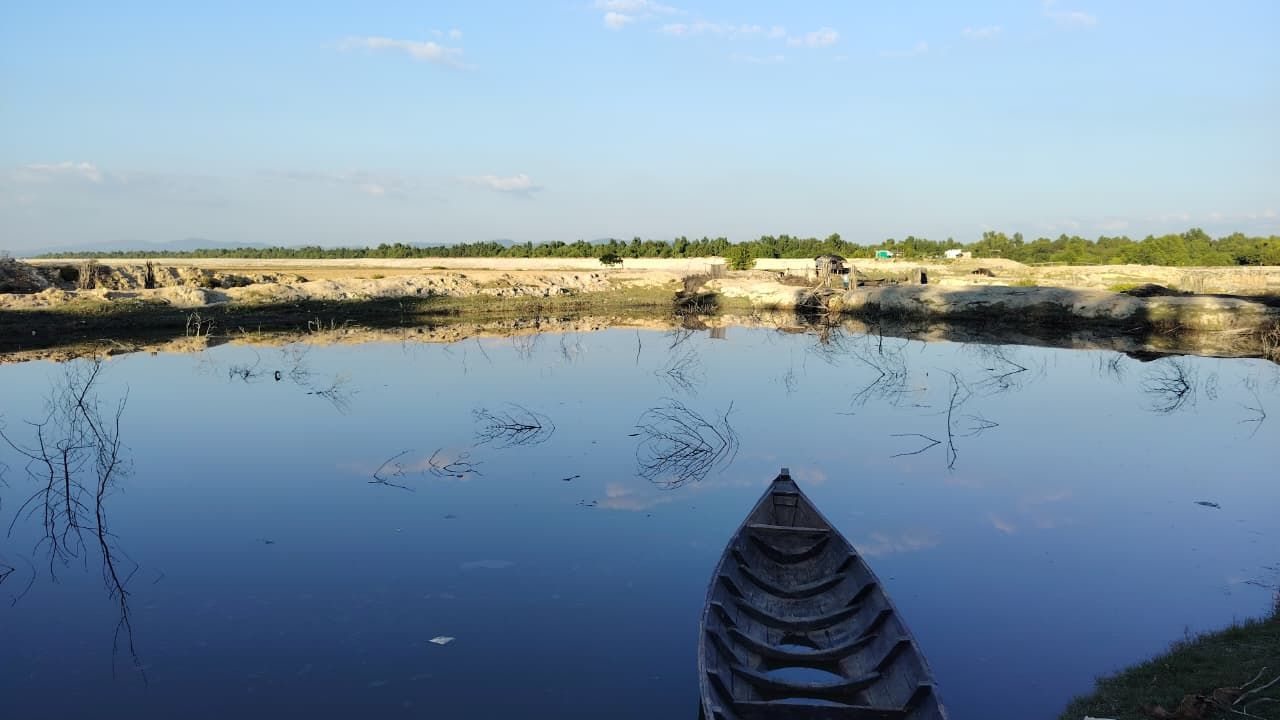
During the same period, sounds of explosions were also reported from Anjumanpara in Palongkhali, Rahmat-er Bil in Ukhiya, and Ghumdhum and Tombru borders in Naikhongchhari.
Borhan Uddin, a resident of Rahmat-er Bil area in Ukhiya, said, “Suddenly, the entire area shook with a loud sound. In panic, many people left their homes and came outside.”
Sound of airstrikes heard in Bangladesh
Local journalists reported that the junta government is carrying out airstrikes targeting positions of the rebel group Arakan Army in North Maungdaw area of Myanmar.
Several Rakhine-based online media outlets claimed that bombs were dropped three times in North Maungdaw on Saturday night.
Rights activist Sahat Zia Hero, residing in a Rohingya camp, wrote on social media that the sound of Myanmar’s airstrikes was also audible from various Rohingya camps in Cox’s Bazar.
Earlier, sounds of gunfire were also heard in the border areas on 13 and 17 December. This has created panic among the residents of the bordering villages.
Jailed Aung San Suu Kyi, controversial election
Since the 2021 military coup, the absence of pro-democracy leader Aung San Suu Kyi has cast a deep shadow over Myanmar’s upcoming election. Although the military council is promoting this election as a path back to democracy, according to local and foreign analysts, a vote held without Suu Kyi cannot be free and fair in any way.
Although the NLD won a landslide victory in the 2020 general election, the army annulled the results, banned the party, and sent Aung San Suu Kyi to prison. According to Suu Kyi’s supporters, her absence from the ballot itself proves that this election is merely a tactic to disregard the people’s verdict.
Sources have confirmed that Nobel Peace Prize laureate Aung San Suu Kyi, born on 19 June, 1945, and known in Myanmar as “The Lady,” remains imprisoned during the election period.
However, her image in the international arena has been severely tarnished due to her government’s role in handling the Rohingya crisis.
In March this year, the military council announced that the general election would be held in four phases in December and January. Through this election, the two-chambered National Assembly, Pyidaungsu Hluttaw, will be formed.
However, according to the 2008 constitution, 25 per cent of the parliamentary seats are directly reserved for the army, meaning real power will remain in their hands.
Meanwhile, stakeholders believe that if Myanmar’s ongoing national election is not free and fair, the Rohingya repatriation process will become even more complicated.
This election, held amidst the country’s continuing conflict and insecurity, has renewed concerns about the future return of the Rohingyas.
Refugee Relief and Repatriation Commissioner (RRRC) Mohammad Mizanur Rahman said, “Although there is discussion about Myanmar’s national election among the Rohingyas, there is deep frustration because they cannot participate in this election of their own country in any way.”
He said, “We have heard that airstrikes were carried out in various towns of Rakhine State even last night during the election period. In such a situation, whether the election will be free and fair is the big question.”
He added, “If the election is not acceptable and the military junta does not come under international pressure, they may not be interested in repatriating the Rohingyas.”
“That means the existing concerns regarding Rohingya repatriation will persist,” he added.
According to stakeholders, ensuring security in Rakhine State, recognising citizenship rights, and establishing an elected government according to international standards are prerequisites; otherwise, the safe and sustainable repatriation of the Rohingyas will be difficult to implement.