
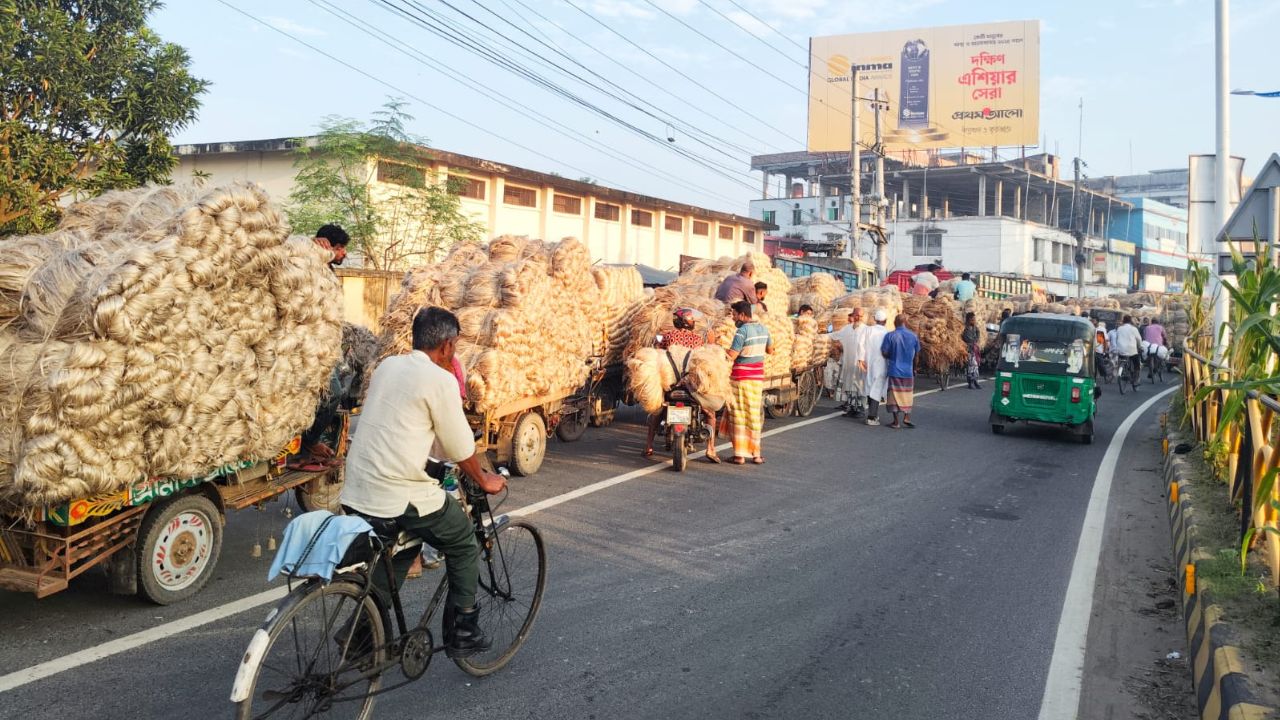





The lioness, Daisy, who recently escaped, did not look dangerous. At least not in the photos that surfaced online. The lioness was not beaming with power. Her ribs were visible, fur was patchy. Her eyes looked sunken in pain. She did not resemble a ferocious beast.
On 5 December, Friday afternoon, Daisy slipped out of her enclosure at the Bangladesh National Zoo in Mirpur. Visitors were rushed out, staff scrambled, announcements blared.

But the real alarm was not in her movement. It was in her condition. A lioness does not end up like this overnight. She ends up like this in a place where care fails long before security does.

After two hours, she was sedated and pushed back into her cage. But the hours between revealed uncomfortable truths. This was not an isolated slip. This was the symptom of a system that had stopped working. Her escape did not reveal a threat; it revealed neglect. The incident exposed something deeper, a zoo already drowning in mismanagement, negligence and indifference.
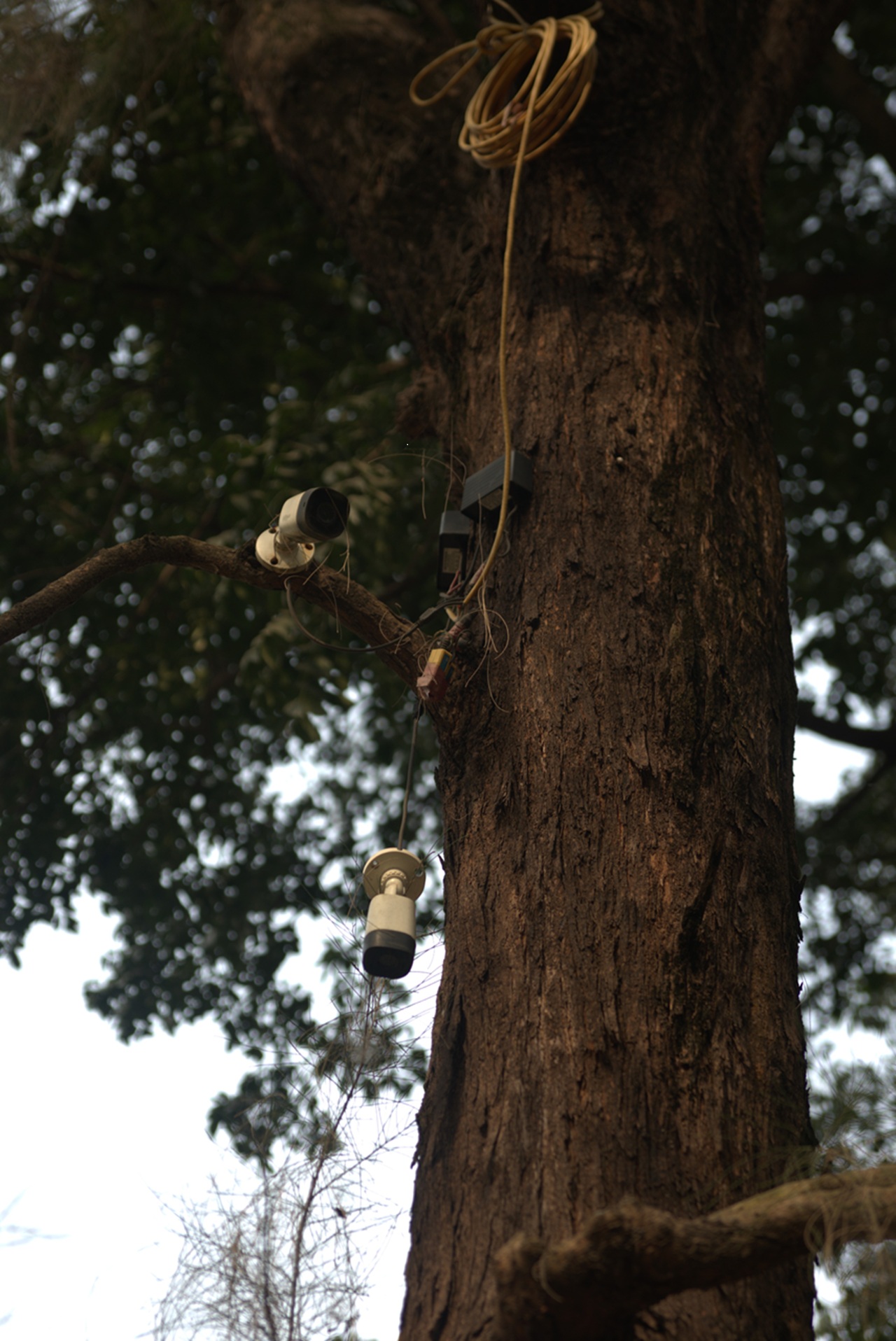
Inside Mirpur Zoo, systems that should protect both animals and visitors often fail. Many CCTV cameras are broken. Some do not even function during emergencies. Security relies on luck, not technology.
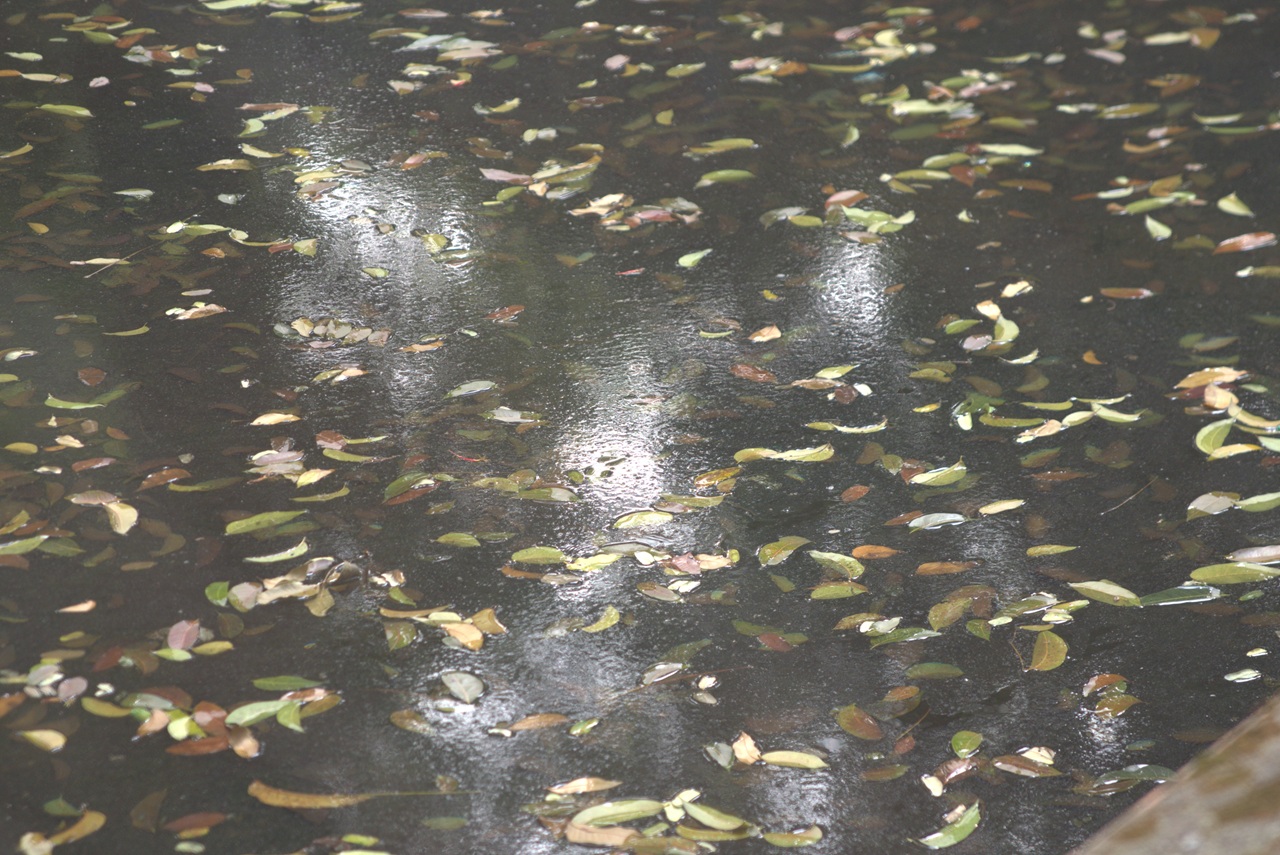
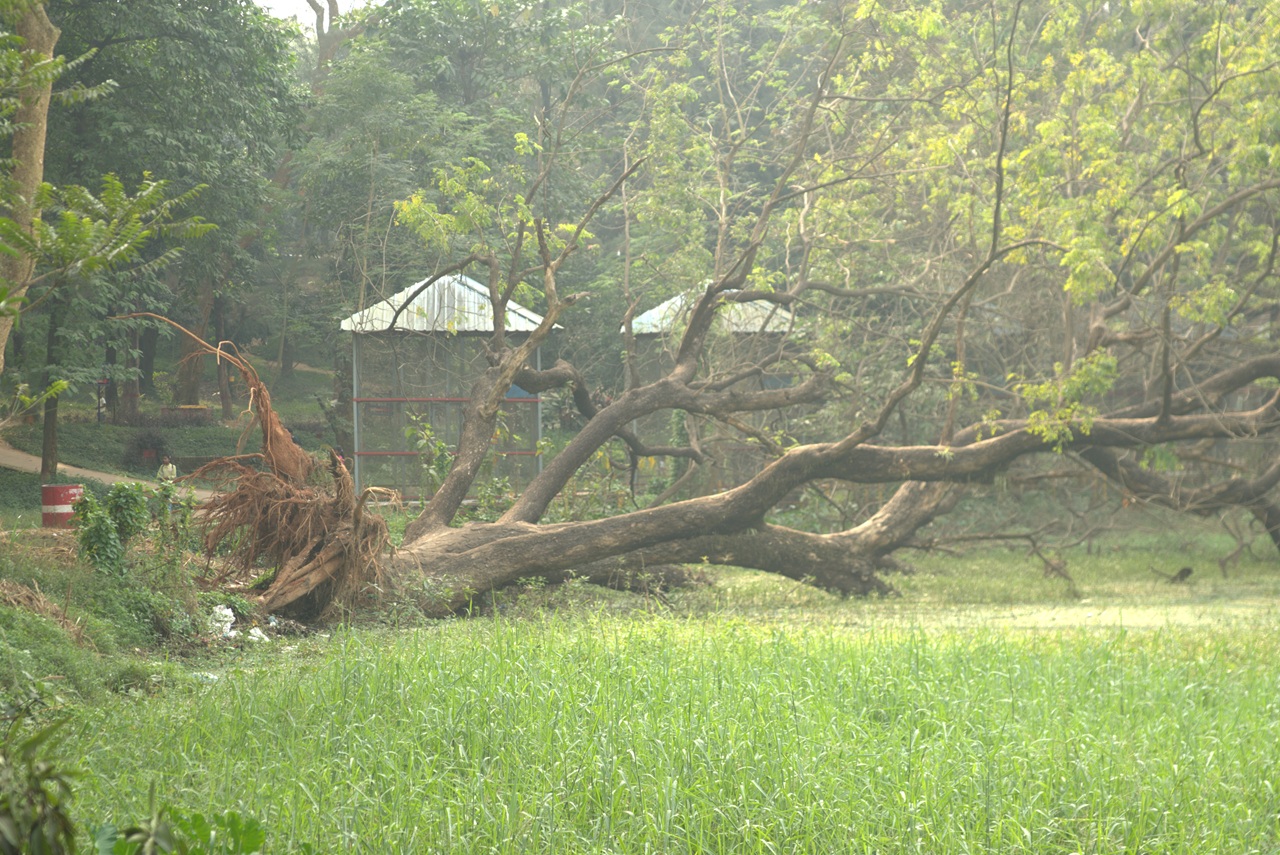
Walk past the cages and the picture becomes worse. Rusty bars. Cracked concrete. Pond water that looks stagnant and smells foul. Enclosures that are too small for the animals they hold. Big cats pace in loops. Monkeys scratch dirt. Birds sit in silence.
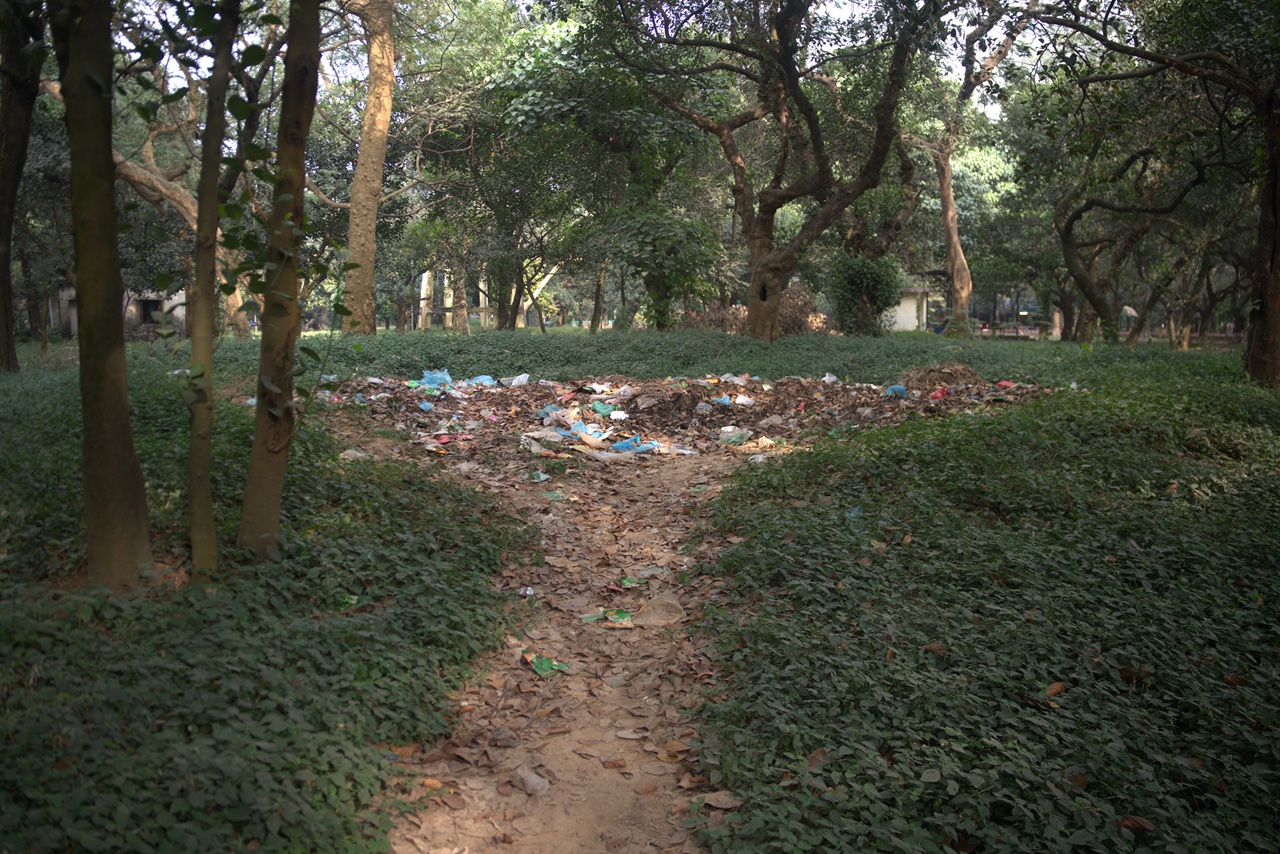
Litter is thrown everywhere and is rarely cleaned. Food wrappers, plastic bottles, leftover scraps, and discarded packaging pile up near the cages and across the zoo grounds. Broken pieces of toys, torn papers, and rotting food add to the mess. The air is heavy with the stench of waste, stagnant water, and decaying matter. Paths are slippery and muddy in some areas, attracting flies and other pests. The environment is as unhealthy as it is depressing
For years, corruption has quietly eaten through the zoo’s operations. The numbers speak for themselves. While beef outside sells for Tk650-700 per kg, the zoo buys it for Tk810. Broiler chicken costs Tk160-210 in the market, yet the zoo purchases it for Tk292. Milk worth Tk80-100 is acquired at Tk125. Even grass and fish come at inflated rates.
It raises the same old suspicion. Who benefits from these inflated bills? Certainly not the animals. There is also an allegation of stealing the meat for the carnivores. The animals continue living in outdated cages, with little comfort, enrichment or care.
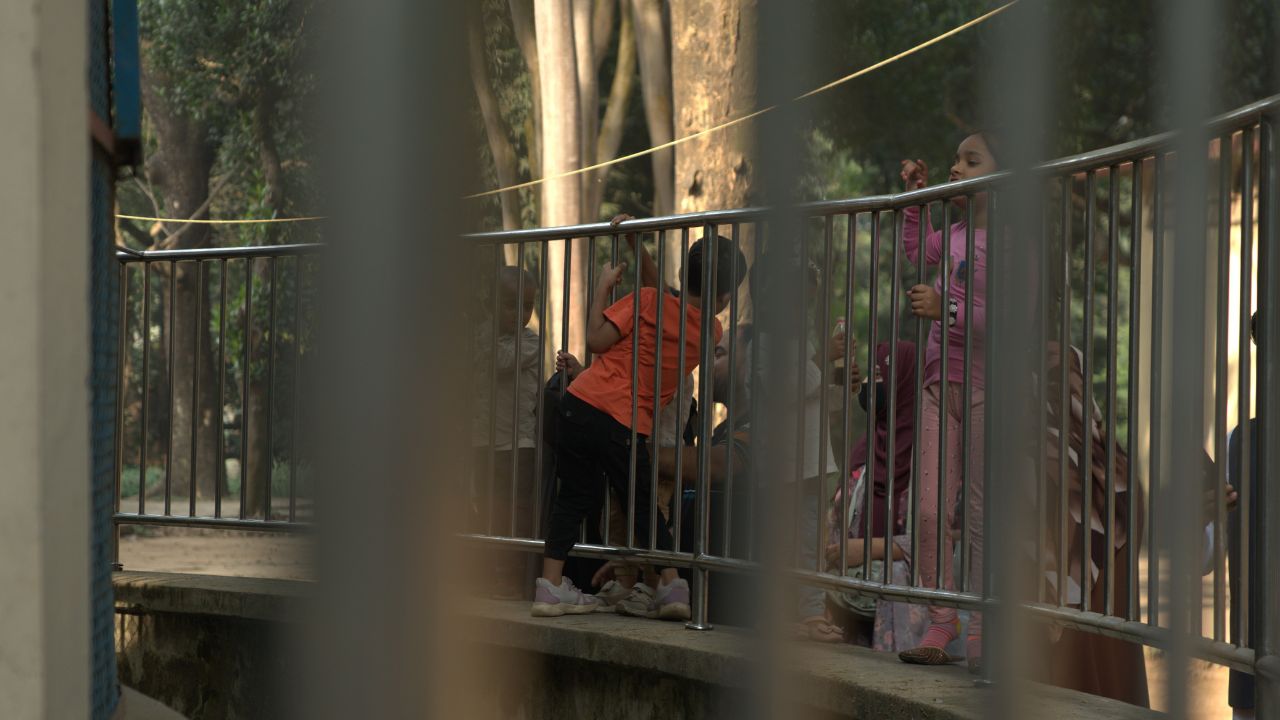
Visitors feed animals through the bars. They throw stones to get reactions. They shout, whistle and poke. Warning signs hang everywhere. But most are ignored, and staff rarely intervene. Enforcement is almost nonexistent.
The Zoo Act 2023 was supposed to change things. It includes fines for teasing, harming or improperly feeding animals. It promises strict punishment for breaking rules. But inside the zoo, the act feels like a forgotten document.
The result is a place where animals live in fear and frustration. Their lives are reduced to cages, concrete floors and endless noise. A place where welfare comes later. Where maintenance is reactive, not routine. Where corruption thrives quietly.
Daisy is back behind bars. But her brief freedom should be a wake-up call. A national zoo should protect wildlife, educate visitors and uphold dignity for every species it houses. Right now, Mirpur Zoo does none of that, and unless something changes, the next escape may not end as safely.


