
Salt is a part of our everyday life. We eat it, use it in drying fish, making clothes and processing leather. But behind the white crystals lies a much darker story. Nowhere is this more visible than in Maheshkhali Upazila of Cox’s Bazar.
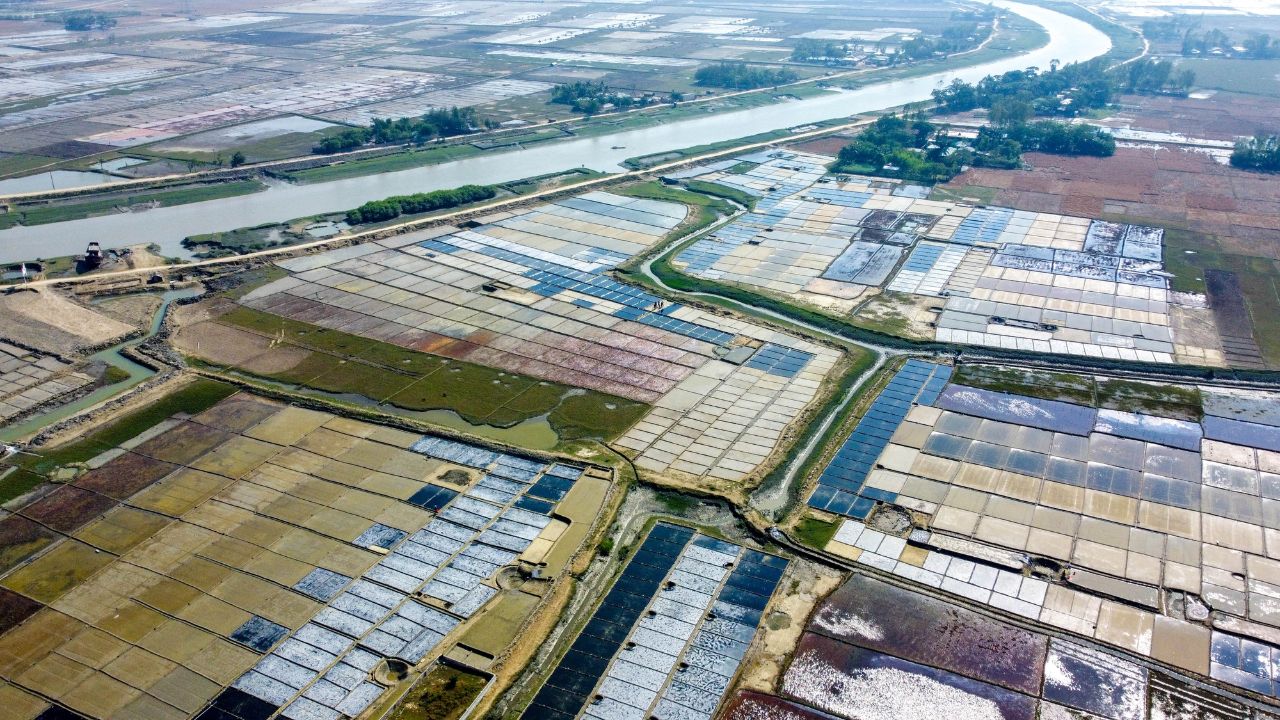
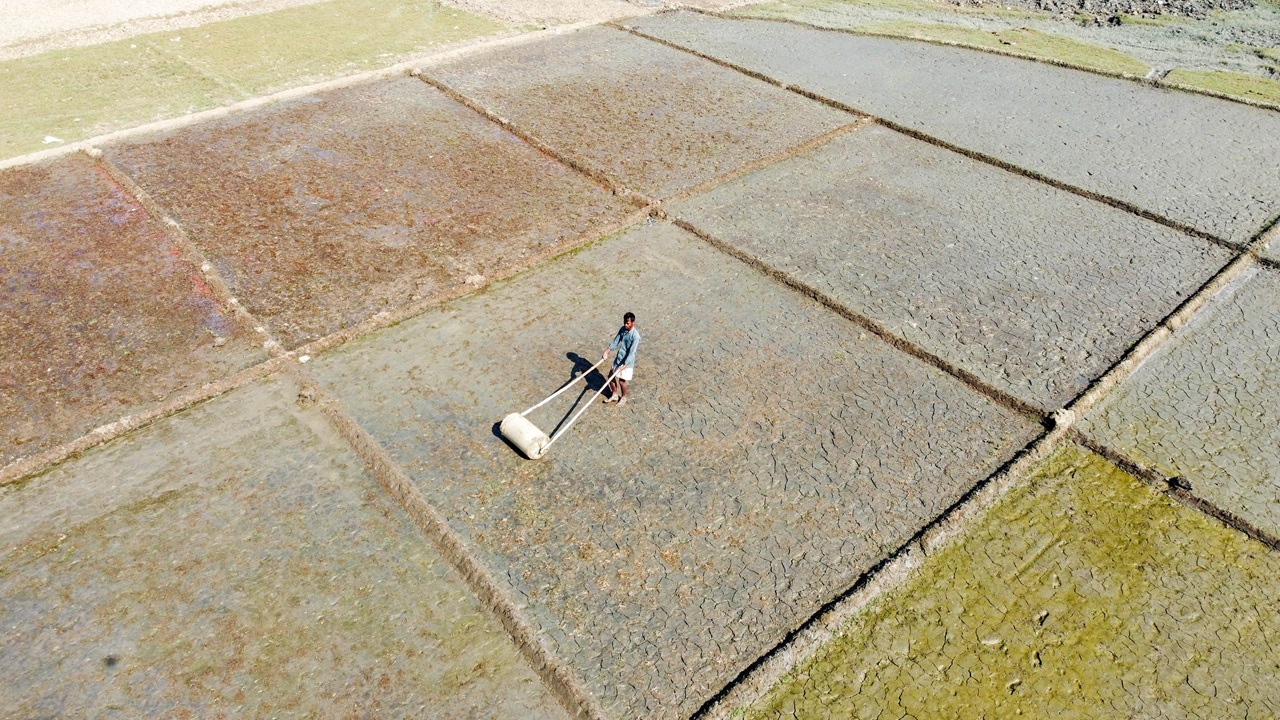
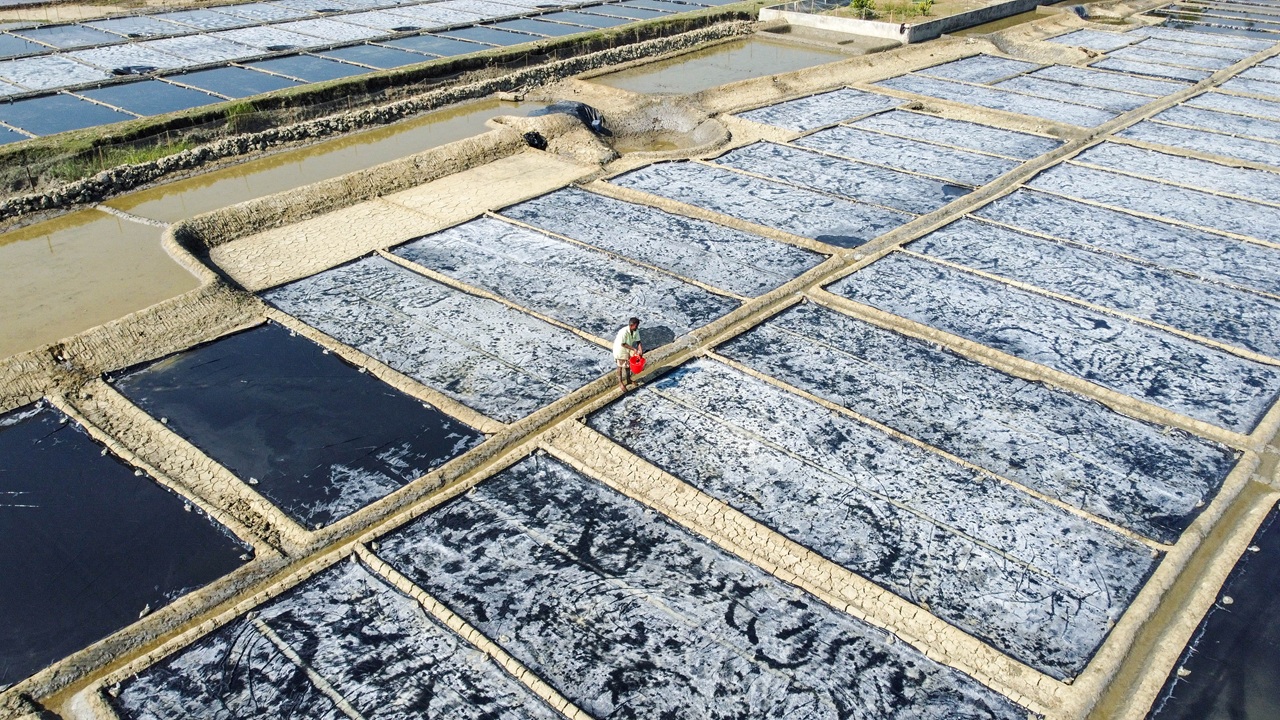
Maheshkhali produces salt on almost 20,000 acres of land. The process looks simple from afar. River water is pumped into flat plots. These plots are shaped by building raised soil embankments. After drying the ground, farmers spread black polythene sheets.
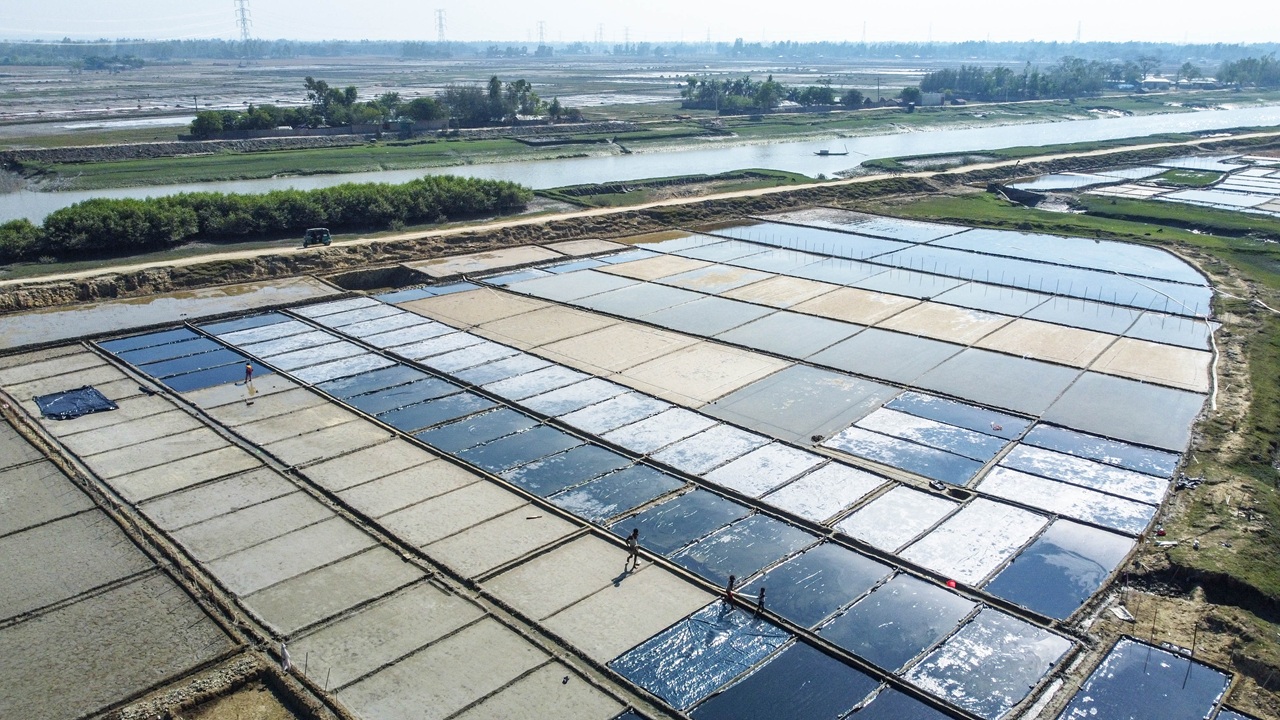
Engine-driven shallow machines bring in saline water from nearby rivers. The water sits for days under the sun. When it evaporates, salt appears. Crisp white crystals form and are scraped, refined and packed into sacks.

Salt farming is profitable, but it is also risky. Yet the biggest risk is not financial. It is environmental. It is slowly altering Maheshkhali’s land. The very process that brings salt to our kitchens is salting the soil itself.
Saline water spreads beyond the plots. It seeps into the ground. It leaks into nearby canals. Over time, the soil loses its fertility. Nothing grows where salt fields stand, and even after the season ends, the land does not recover. The salt stays in the soil. The water table becomes brackish. Local biodiversity shrinks because plants, fish and insects cannot survive in high salinity.




The damage does not stop there. Continuous pumping of river water disturbs the natural flow. Canals dry up in some areas and stay clogged with saline deposits in others. Wetlands that once sheltered birds and small animals are shrinking. The constant use of polythene sheets leaves behind plastic waste that tears, scatters and eventually enters surrounding water bodies.
Even the air changes. As salt dries, fine particles blow across nearby villages. Farmers say their crop leaves turn yellow faster. Trees grow more slowly. Fruit plants die early. This slow environmental erosion often goes unnoticed, but its impact is deep.
Farmers know this. They say the land has changed. Fields that once grew abundant vegetables and paddy now produce far less. Freshwater fish are disappearing from small water bodies. Here, tubewell water also tastes different. These are early signs of long-term degradation.
The future of this area looks uncertain. Without careful planning and better land management, Maheshkhali may lose more than it gains. The white crystals will remain. The land beneath them may not.