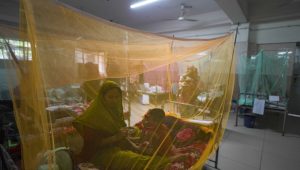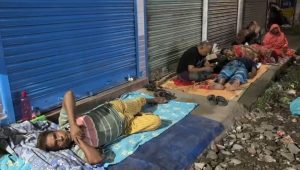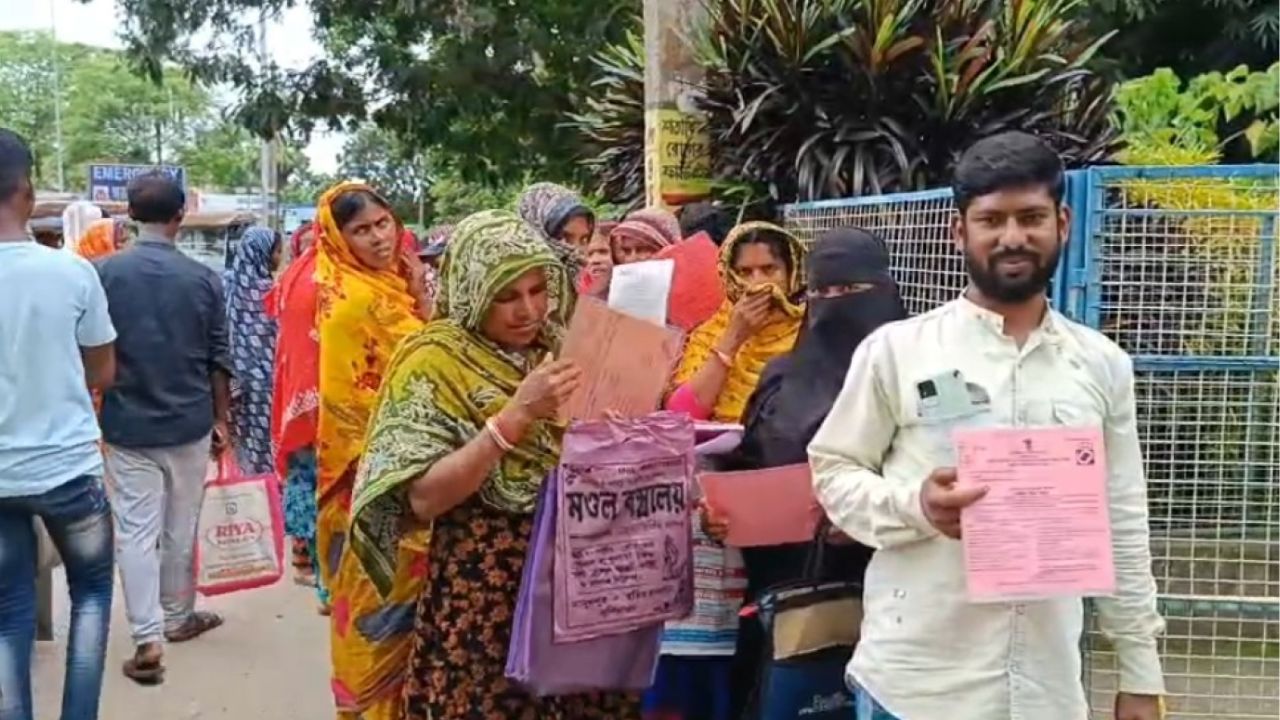

On a humid November evening in a village near the Padma in Chapainawabganj — or down a narrow lane in Thakurpukur, on the outskirts of Kolkata — a middle-aged woman clutches a fading ration card as if it were proof of her existence.
Across the table, a young booth level officer (BLO) reads from a script: “Aapnar babar 2002-r voter card kothai (Where is your father’s voter card?)?”
The question is routine. But for many, it triggers panic. Their houses have burned down, relatives have died, documents have vanished. And in neighbourhoods across West Bengal, one rumour dominates: fail to produce legacy papers and you risk becoming a “D-voter” — a “doubtful” citizen.
This is the human fallout of the Special Intensive Revision (SIR) of electoral rolls now under way across West Bengal’s 23 districts.

A routine verification that feels like a crackdown
The Election Commission says it is simply updating the rolls ahead of the 2026 Assembly elections. BLOs are visiting households, demanding documents ranging from birth certificates to school records to voter lists dating back to 2002.
But on the shifting borderlands — Murshidabad, Malda, the 24 Parganas, Nadia, Cooch Behar — where families have moved across the India–Bangladesh frontier for generations, many say the process feels less like verification and more like scrutiny of identity itself.
In Uttar Dinajpur, 62-year-old Rehana Bibi broke down before reporters: “My husband came in 1971, voted in every election, died in 2019. Now they want his father’s name in the 1971 list. Where will I find that?”



BJP calls it a ‘reverse journey’
The opposition BJP has embraced the exercise, framing it as a clean-up of “illegal infiltration”.
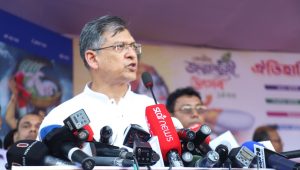
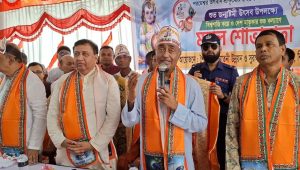
“Those who infiltrated are now going back,” state BJP chief Sukanta Majumdar said at a rally, describing the deletions as a “silent reverse exodus.”
More than 4.2 million names have been flagged for deletion in the draft list. The Election Commission has yet to clarify how many are genuinely ineligible.
TMC warns of ‘NRC through the back door’
Chief Minister Mamata Banerjee has accused the central government of attempting a covert citizenship screening. “This is NRC through the back door,” she said at a recent rally.
Her party is running legal-aid camps, helping voters trace missing documents, and demanding that no genuine citizen be removed.
Anxiety crosses the border
The repercussions are felt inside Bangladesh, especially in Jashore, Satkhira, Rajshahi and Khulna, where families fear relatives in India may lose voting rights.
The most vulnerable at risk
Dalit Matua families, displaced people on the river chars, and Adivasi communities in tea gardens — many lacking decades-old paperwork — say they are disproportionately targeted.
A tense countdown to January
The final voter list, due in January 2026, could decide the state’s political landscape. But for millions, the worry is more personal: whether their names — and their place in India — will remain.