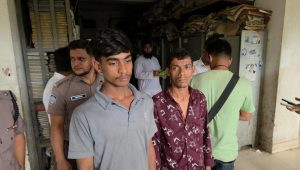
The International Crimes Tribunal-1 on Monday sentenced former police chief Chowdhury Abdullah Al-Mamun to five years’ imprisonment, even though it awarded the death penalty to his co-accused on the same charges of crimes against humanity.
The ICT-1, led by Justice Md Golam Mortuza Mozumder, observed that the atrocities committed by Al-Mamun were “punishable with capital sentence”, adding, “we convict him and will award him with a lenient sentence.”
According to the tribunal, Al-Mamun made a “full and true disclosure of the whole of the circumstances” within his knowledge, including details of his involvement and that of other accused individuals.
Mamun, who has turned state witness, claimed earlier that throughout his long police career he maintained a “clean image and record”

He expressed deep remorse, saying he was ashamed of what happened, and offered his apologies to the tribunal and to the people of Bangladesh. The tribunal, however, characterised the crimes against humanity committed during July-August 2024 as pre-mediated and widespread in scale.
The ICT found deposed prime minister Sheikh Hasina guilty on five counts – delivering provocative speeches; ordering the elimination of protestors using lethal weapons; the shooting of Begum Rokeya University student Abu Saeed in Rangpur; the shooting of six protestors at Chankharpul in the capital; and the burning to death of six individuals in Ashulia.
The case originated after the reconstitution of International Crimes Tribunal following the fall of the Awami League regime on 5 August 2024.


The first case in the reconstituted tribunal was filed against Sheikh Hasina over crimes against humanity committed during the July mass uprising, with the tribunal issuing an arrest warrant against her on 17 October last year during its first judicial proceedings.
Mamun’s involvement in July massacre
During a press conference at Ganabhaban on 14 July last year, the then prime minister Sheikh Hasina made inflammatory remarks, referring to students protesting the quota system as “children of Razakars” and “grandchildren of Razakars.”
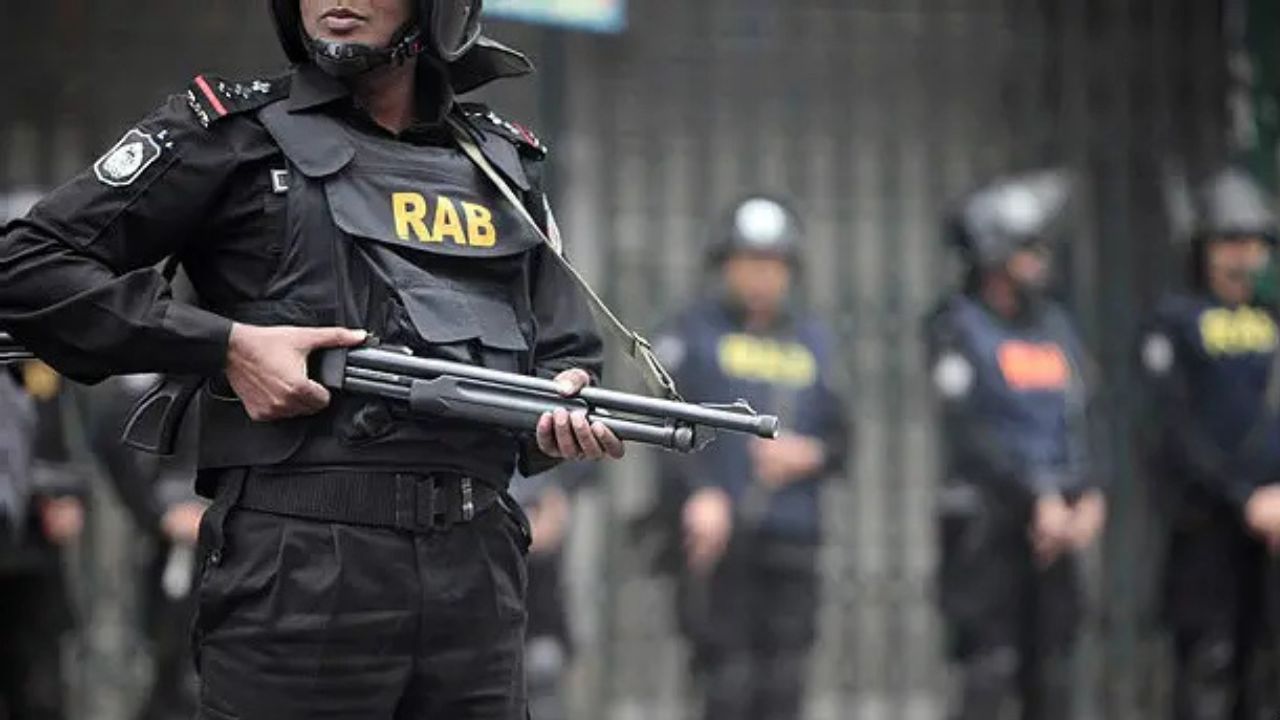
Following this incident, with instigation, assistance, and involvement from former home minister Asaduzzaman Khan, Chowdhury Abdullah Al-Mamun, and other senior authorities of the then-government, members of law enforcement agencies and armed Awami League members systematically attacked innocent, unarmed students and civilians on a massive scale.
Approximately 1,500 students and civilians were shot dead, while around 25,000 were injured.
As demonstrations escalated, Sheikh Hasina issued orders to eliminate protesters using helicopters, drones, and lethal weapons. The then home minister and IGP executed these orders through members of law enforcement agencies under their control and command.
Audio recordings of separate conversations with Dhaka University’s then vice-chancellor ASM Maksud Kamal on 14 July and former Dhaka South City Corporation mayor Fazle Noor Taposh on 18 July revealed that she had ordered law enforcement and others forces to use lethal weapons.
These orders were communicated to all forces through the then home minister and IGP, as well as to the Awami League, its affiliated organisations and the 14-party alliance.
The three accused – Hasina, Kamal and Mamun – have been found to be responsible for the brutal shooting of Begum Rokeya University student Abu Saeed in Rangpur.
The trio have also been found guilty of the shooting of six innocent, unarmed protesters at Chankharpul in the capital, and burning to death of six innocents, unarmed individuals in Ashulia.