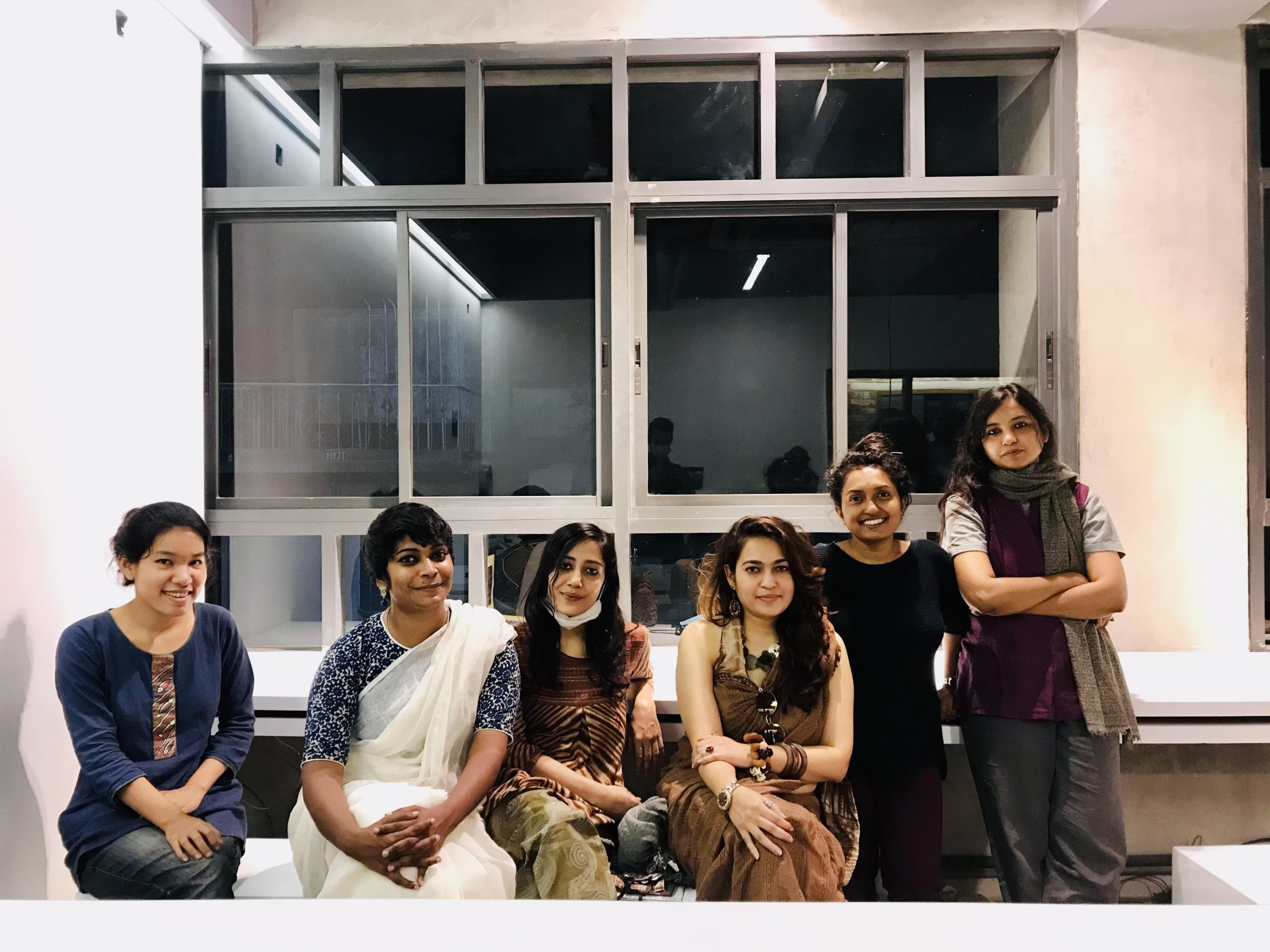

In a world where women’s voices often fade beneath the noise, a group of fearless artists chose rebellion – not through protests or slogans but with their cameras. They call themselves Kaali Collective, a name drawn from the Hindu goddess who embodies both destruction and creation.
Formed in 2018, Kaali Collective began with six members and now stands strong with four core artists – Aungmakhai Chak, Rajoyana Chowdhury Xenia, Juthika Dewry Gayatree, and Sadia Marium Rupa. They met at Pathshala, one of Bangladesh’s most respected photography schools, where they discovered a profound truth. Female photographers in Bangladesh were quietly vanishing from the scene.
For photographer Sadia Marium Rupa, the industry’s male dominance isn’t just about representation – it’s about access and safety. “When I started taking pictures,” she recalled, “there were times when everyone was capturing an event, but I couldn’t move freely in the crowd. If someone touched me inappropriately, I had to stop shooting. That physical barrier affects your confidence and your mental health.”

Whether due to social pressure, safety concerns or lack of recognition, many women were forced to give up their cameras. Their creative voice was silenced before they could fully emerge. Kaali Collective was born as both a rebellion and a refuge by becoming a safe space where women could share their struggles, critique one another’s work and keep creating without fear.
At its heart, Kaali’s mission is to make sure no woman artist fades into obscurity again. Many of the women who once inspired them had stopped shooting altogether. They were forced to give up their passion under the weight of family expectations or societal constraints. For the women of Kaali, that loss became their driving force to create a space where women could exist, express and evolve freely.




Today, the collective focuses on research-based visual projects that explore social issues such as migration, gender-based violence and women’s experiences in public spaces. Through photography, performance and mixed media, they challenge the traditional male gaze and expand the visual language of feminism in Bangladesh.
“To this day, I’m terrified to take pictures at night because I might be raped,” said Rupa. It’s a stark reminder of how deeply gendered safety concerns continue to shape creative freedom.
But rather than being silenced by fear, Kaali Collective transforms it into art. They use discomfort, trauma and resistance as creative fuel, translating personal pain into collective power. Through their images, they reclaim agency over how women’s experiences are seen, felt and remembered.
For every woman who joins or collaborates with Kaali, the collective becomes more than a workspace – it becomes a sanctuary. Within its walls, critique is kind, vulnerability is respected and solidarity replaces competition. “Kaali has been a safe space for every woman involved,” Rupa added. “It’s where we remind ourselves that we belong here – behind the camera.”
Kaali Collective doesn’t claim to change the world overnight. But through quiet persistence and radical empathy, they’re shifting perspectives- one photograph, one story, one conversation at a time. In doing so, they’re not just documenting women’s realities; they’re reshaping the visual landscape of Bangladesh’s art scene.
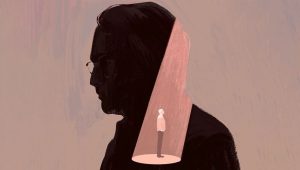
Perhaps the most powerful thing about Kaali is its quiet persistence. In a society that often tells women to stay small, they choose instead to take up the space. Through images, they are building a world where women’s stories no longer fade into silence but stand fiercely in the light.