The debate over introducing the proportional representation (PR) system in Bangladesh is gaining momentum ahead of the next national elections, as political polarisation and a confrontational political culture cast doubt on its practicality.
Supporters of PR system argue that it will make parliamentary representation fairer by aligning the number of seats with each party’s share of the vote. Critics, however, warn that it could destabilise governments and fail to address chronic problems such as nepotism and patronage.
And, experts believe that given the political reality the country is not ready for the introduction of a whole new system as yet. Experiences of many countries with PR, including neighbouring Nepal, also project a negative picture about the system.
Public understanding of the proposed change remains low. A nationwide survey by Innovision Consulting, covering 10,413 voters, found that 56% had no knowledge of the PR system. Among those aware, opinions were almost evenly divided over introducing PR in the proposed Upper House — 21.8% in Favour and 22.2% against. Interestingly, Gen-Z voters showed stronger support for PR than older generations, indicating a generational divide over electoral reform.
Opponents frequently point to international examples linking PR systems to political instability. Nepal, which adopted a mixed PR model in 2008, has experienced 12 governments in just 17 years, with its parliament often described as a “marketplace of shifting alliances.” Italy, which has used PR since World War II, has formed 69 cabinets in 80 years — an average tenure of just over a year per administration. Belgium once set a world record with a 541-day deadlock in government formation under its PR system, while even the Netherlands struggled with a 299-day coalition-building period after the 2021 polls.

In Africa, Lesotho’s adoption of a mixed member proportional (MMP) system in 2002 aimed to enhance inclusivity but instead led to chronic instability. Since 2012, successive coalition governments have collapsed prematurely amid political rivalries and military interference, prompting repeated regional interventions.
In Bangladesh, the National Consensus Commission’s decision on 31 July to include an upper house elected under the PR system in the July Charter immediately drew dissent from the Bangladesh Nationalist Party (BNP) and its allies.
Support for PR has been spearheaded by Bangladesh Jamaat-e-Islami and some like-minded parties, who have staged demonstrations demanding that the system be adopted in the upcoming national polls. Jamaat Assistant Secretary General Hamidur Rahman Azad said PR was essential to curb authoritarian tendencies and address political corruption.
“In a country plagued by political violence and unchecked power, PR offers a path toward fairer and more accountable governance,” he told TIMES of Bangladesh.


The National Citizen Party (NCP) supports PR in the proposed upper house but rejects its inclusion in the lower house. NCP Joint Chief Coordinator Arifur Rahman Tuhin said that PR in the upper house would strengthen opposition representation and make decision-making more inclusive. “It would ensure that no decision is made by ignoring the public interest or the voice of the opposition,” he said.
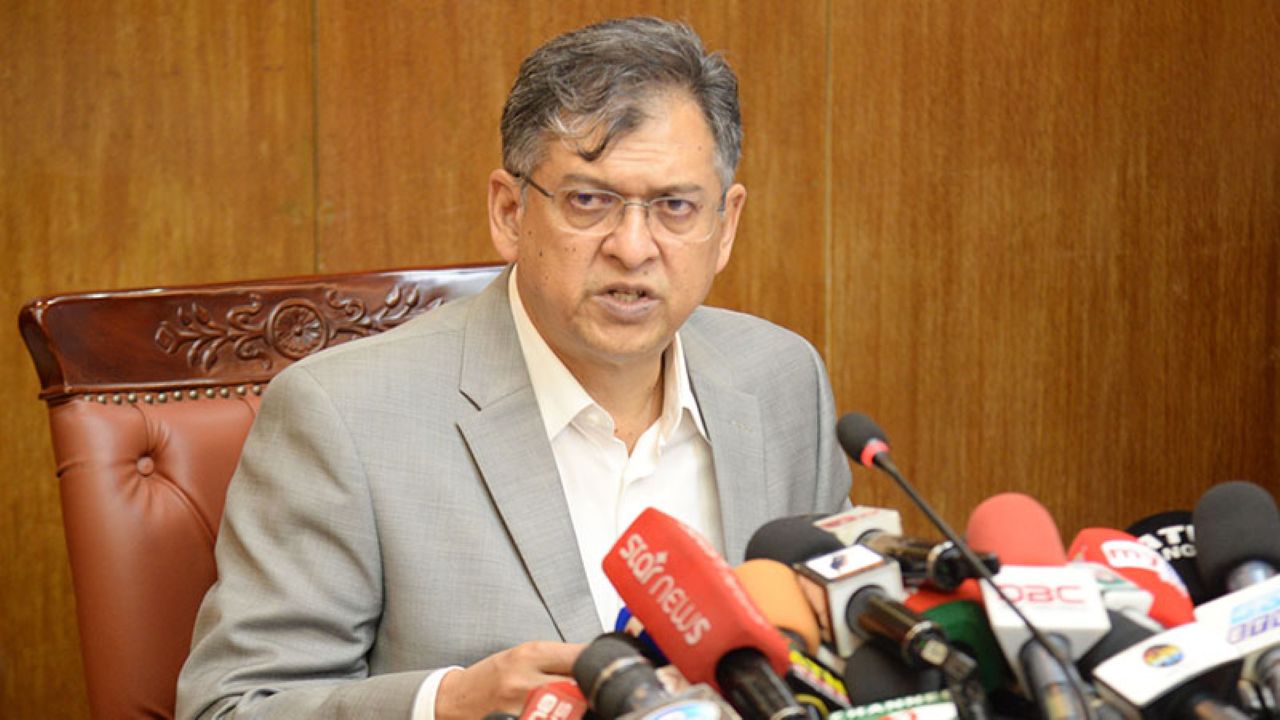
However, the BNP and its allies remain firmly opposed. “We do not accept the PR system. Countries using PR often experience unstable governments,” BNP Standing Committee member Salahuddin Ahmed said, arguing that Bangladesh should prioritise political stability over experimentation.
Beyond political divisions, experts caution that the country’s political culture itself may be incompatible with PR.
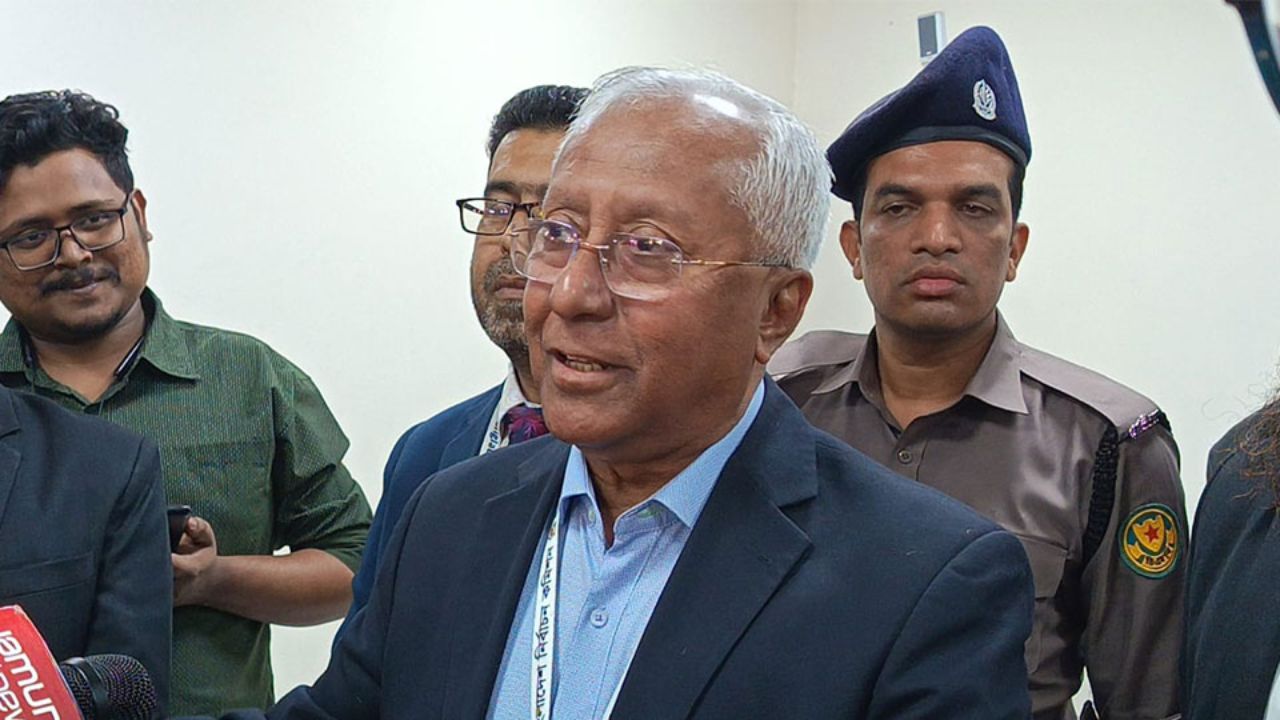
Badiul Alam Majumdar, head of the interim government’s Electoral Reform Commission, acknowledged both the merits and risks of the proposal. “Considering Bangladesh’s context, we have proposed introducing PR only in the upper house for now. Most parties have agreed, though one or two have given notes of dissent,” he said.
Majumdar added that the mindset of political parties and the country’s political reality are not yet ready for PR in both houses. “Knowing its positive sides, I have long been advocating for its introduction. In the PR system, there is hardly any scope for dictatorship to emerge,” he noted.
Mamun Al Mostafa, a professor of political science at Dhaka University said the system could easily be corrupted by nepotism, citing how parties allocate reserved seats for women.
“In the past, those seats were often given to relatives, friends, or film personalities rather than active political workers. If PR is introduced, parties will likely repeat the same practice,” he said.
He argued that smaller parties are pushing for PR mainly because they lack the popularity or capacity to win direct elections. “They see PR as a shortcut to guaranteed seats in parliament,” he added.
The professor warned that introducing PR could trigger new challenges and distort the intent of representation unless political accountability within parties improves. “Before changing the system, we must strengthen internal democracy and accountability,” he stressed.
Farid Uddin Ahmed, another political science professor at Dhaka University, said, “I agree that PR system cannot be introduced at this point for the lower house. Most ordinary citizens wouldn’t understand it.”
About PR in the upper house, he thought it could help ensure representation of smaller political parties and professionals.
“That would create a kind of balance in the system”, he said.